
— —
Avoid Overspec: Shearing Machine Specs for Irregular Parts
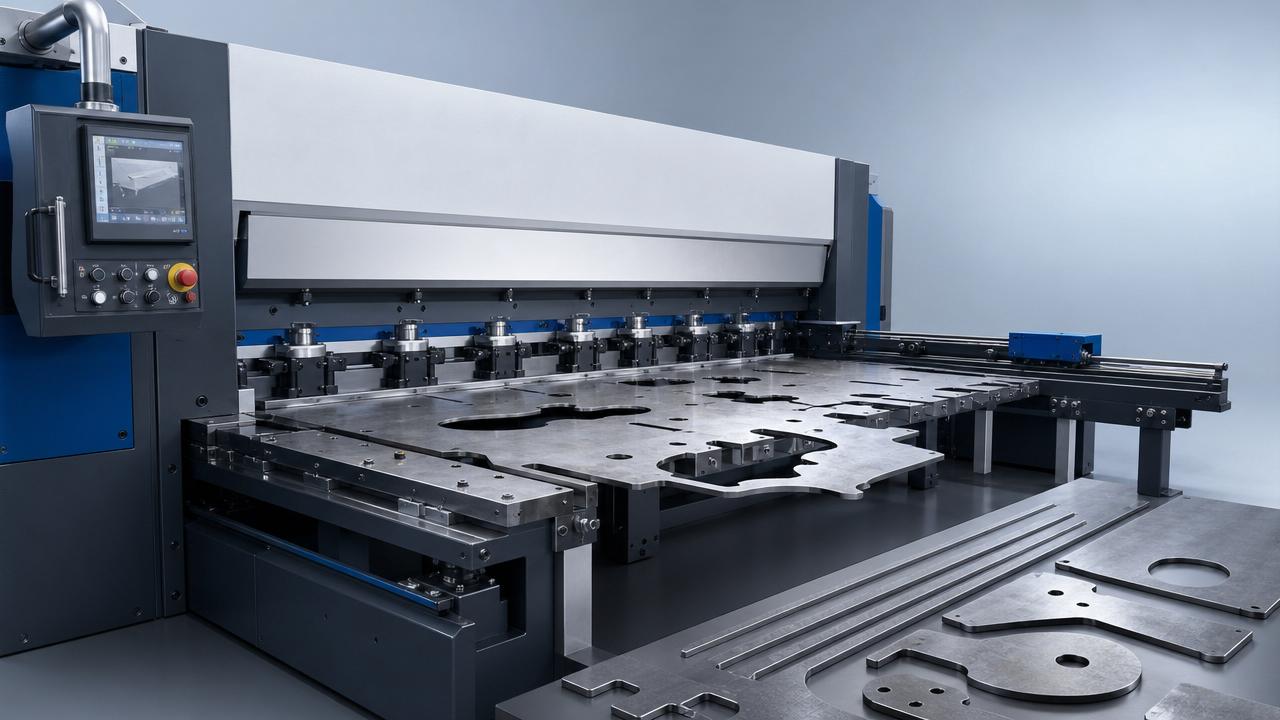
Avoid Overspec: What shearing machine specs do I need for custom irregular metal parts?
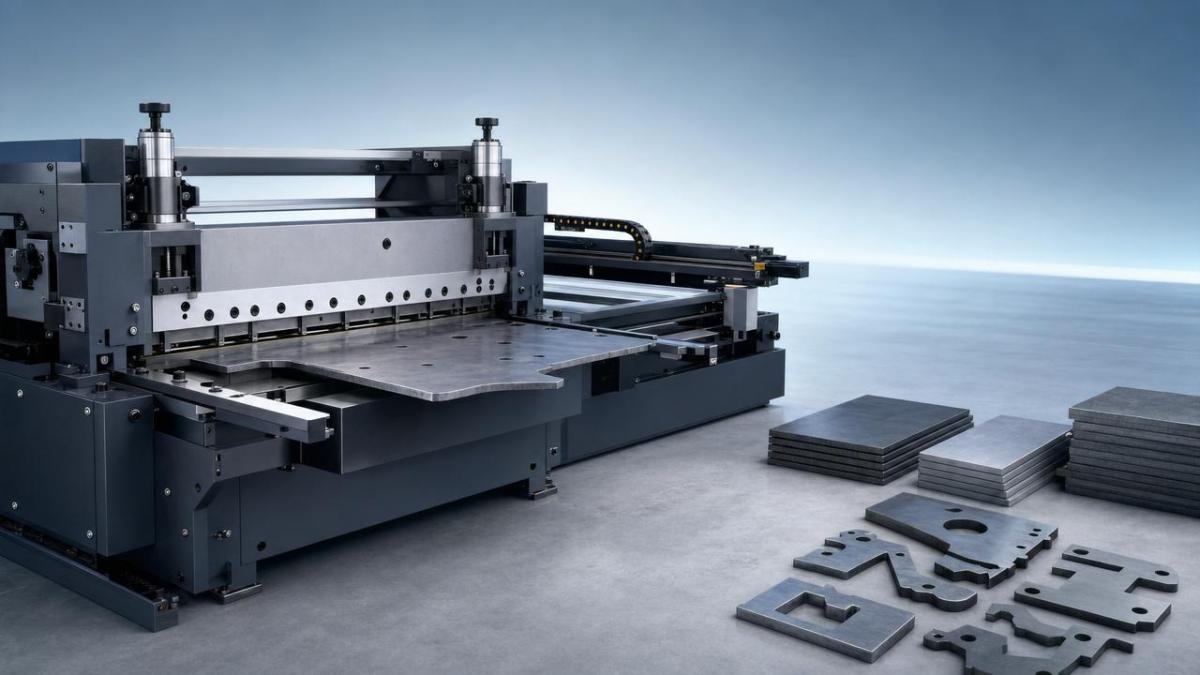
Non-standard fabrication rarely rewards buying the biggest machine on paper.
A more useful question is this: What shearing machine specs do I need for custom irregular metal parts in real production conditions?
That answer depends on material, thickness, edge quality, layout complexity, and daily output.
In practice, overspec often creates higher capital cost, more energy use, and slower setup without better part quality.
For irregular blanks, balanced specifications usually outperform oversized capacity.
Experience from export-oriented equipment supply also shows this.
Suppliers with broad fabrication machinery portfolios, such as Wuxi Armada International Trade Co., Ltd, often see specification mistakes repeated across projects.
The pattern is simple: buyers focus on maximum thickness, while production problems come from irregular geometry, holding stability, and repeatability.
Is thickness still the main spec, or is that where mistakes begin?
Thickness matters, but it should never be the only deciding factor.
When asking, “What shearing machine specs do I need for custom irregular metal parts?”, start with the full cutting profile.
A 6 mm mild steel sheet behaves very differently from 6 mm stainless or aluminum.
Tensile strength, surface finish, and burr tolerance all influence the proper machine choice.
For irregular parts, usable throat depth, backgauge flexibility, and hold-down design often matter as much as tonnage.
A machine rated for thicker plate may still struggle with awkward narrow strips or asymmetrical cut paths.
The more practical way is to define four base inputs first:
- Maximum and common material thickness
- Material type and strength range
- Largest sheet size and smallest unstable blank
- Allowed burr, twist, and dimensional deviation
Once those are clear, many oversized options can be eliminated quickly.
Which machine specifications actually affect irregular part cutting quality?
This is where the decision becomes more technical, but still manageable.
If the goal is to answer “What shearing machine specs do I need for custom irregular metal parts?”, focus on performance specs, not brochure size.
Blade length and usable cutting width
Longer is not always better.
If most irregular parts come from medium sheets, excessive blade length raises cost and footprint without helping output.
Blade clearance adjustment
Adjustable clearance is critical when material grades change.
Wrong clearance creates burrs, edge roll, and premature blade wear.
Rake angle and distortion control
A suitable rake angle reduces cutting force.
But on narrow or irregular pieces, too much rake may increase twist.
Backgauge travel and programmability
Irregular work often involves varied dimensions.
A CNC backgauge can reduce setup errors and improve repeatability on short batches.
Hold-down pressure and support design
Thin sheets and odd shapes can slip or deform easily.
Stable clamping matters more than raw hydraulic force in many custom jobs.
How do I match specs to part shape instead of buying by capacity alone?
The shape of the part changes the selection logic.
That is often overlooked when people ask, “What shearing machine specs do I need for custom irregular metal parts?”
To make the judgment easier, use the table below as a quick screening tool.
If irregular geometry dominates the workflow, support and control features deserve more weight than maximum rated capacity.
That often leads to a more efficient machine and a lower total investment.
When is a CNC guillotine shear enough, and when should another process be considered?
Not every irregular part should be sheared.
This is one of the most valuable answers behind the question, “What shearing machine specs do I need for custom irregular metal parts?”
If the part only needs straight cuts before bending, rolling, or welding, a well-matched shear is usually efficient.
If the part includes curves, internal holes, or contour nesting, laser or CNC cutting may be the better front-end process.
Many workshops combine these machines rather than forcing one process to do everything.
That is also why integrated machinery suppliers can offer a more realistic recommendation.
A company familiar with shearing machines, bending machines, plate rolling machines, and CNC cutting equipment can compare process routes more objectively.
- Choose shearing when straight-line blanking is dominant.
- Choose laser cutting when contour flexibility is essential.
- Use both when material utilization and edge type vary by product family.
What overspec traps increase cost without solving irregular part problems?
The most common trap is buying for rare peak thickness instead of normal production.
A machine sized for exceptional jobs may stay underused while consuming more floor space and operating cost.
Another trap is ignoring edge quality requirements.
Some parts tolerate secondary deburring, but others feed directly into welding or visible assembly.
In those cases, blade setting accuracy matters more than headline tonnage.
There is also the control-system trap.
A highly advanced controller sounds attractive, yet it adds little value if programs are simple and repeated manually.
More common mistakes include:
- Selecting excessive blade length for small-format sheets
- Overlooking maintenance access and blade replacement time
- Ignoring local power conditions and hydraulic service support
- Treating all irregular parts as a shearing task
Machines built under ISO9001 and CE-oriented practices can support reliability, but only if the specification itself is right.
What should be confirmed before placing an order?
Before final selection, turn the question into a checklist rather than a guess.
Instead of only asking, “What shearing machine specs do I need for custom irregular metal parts?”, prepare sample data.
That usually leads to faster and safer decisions.
Useful documents to prepare
- Part drawings with critical cut dimensions
- Material list with thickness range and grade
- Monthly volume by part family
- Acceptable burr level and flatness tolerance
- Downstream process notes such as bending or welding
Questions worth confirming with the supplier
Ask for examples using similar material and similar blank geometry.
Ask how blade clearance is adjusted, how quickly blades are serviced, and what support is available after installation.
For export projects, consistency in documentation, standards, and commissioning guidance matters as much as machine price.
That is especially relevant when equipment is supplied across Southeast Asia, Europe, the Americas, or Oceania.
A practical way to move from question to machine shortlist
So, what shearing machine specs do I need for custom irregular metal parts?
Usually, the right answer is a balanced specification set, not the highest number in every category.
Start with common material thickness, not rare extremes.
Then check shape-related factors such as support, clamping, distortion control, and backgauge flexibility.
Compare shearing against laser or other cutting routes when geometry becomes too complex.
Finally, match the machine to real batch patterns, maintenance expectations, and downstream quality needs.
If you organize drawings, material data, and tolerance targets first, the machine shortlist becomes much clearer.
That step reduces overspec risk and makes the investment easier to justify over the long term.