
— —
Mixed Thickness Plate Cutting: Key Risks in Automatic Shearing
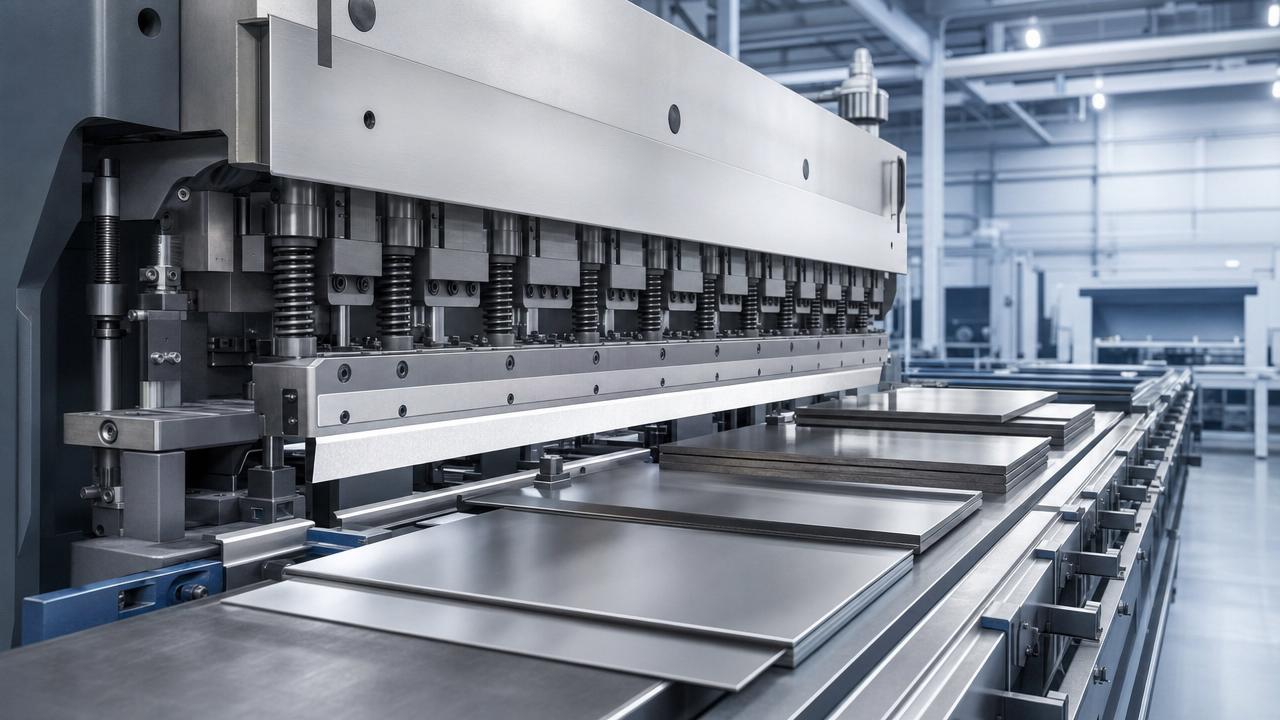
When processing plates of varying gauges, even a small setup error can lead to burrs, deformation, blade damage, or serious safety incidents. For quality control and safety teams, choosing an automatic shearing machine for mixed thickness metal plates is not only about efficiency, but also about cut consistency, operator protection, and compliance. Understanding the key risks behind automatic shearing is the first step toward safer production and more stable results.
Why does mixed thickness shearing create higher quality and safety risk?
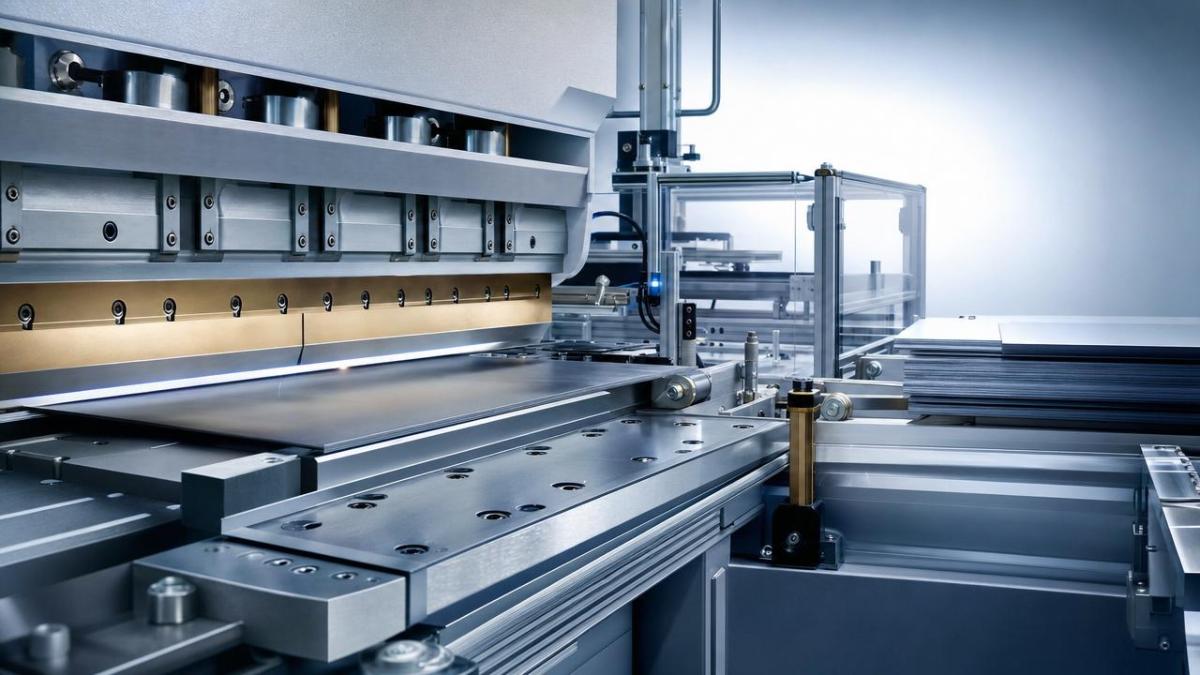
An automatic shearing machine for mixed thickness metal plates must handle changes in material resistance, clamping force, blade clearance, and feed stability. These variables do not change linearly. A setup that works for one gauge may produce poor edge quality or dangerous stress conditions on another.
For quality control personnel, the visible result is often burr height, edge straightness, twist, camber, or microcracking near the cut edge. For safety managers, the concern extends further: unexpected plate movement, blade overload, flying scrap, sensor failure, and unsafe manual intervention during thickness changeover.
In manufacturing and processing machinery environments, these risks increase when a line handles carbon steel, stainless steel, coated sheet, and medium-thickness plate in mixed batches. Production wants speed. Quality wants repeatability. Safety wants controlled motion and protected access. The machine must satisfy all three.
Typical risk sources in daily production
- Incorrect blade clearance for the actual plate thickness, causing heavy burrs, edge rollover, and accelerated blade wear.
- Insufficient hold-down force, allowing thin or uneven sheets to lift during cutting and affecting dimensional stability.
- Material mix-up between similar-looking plates, which results in unsuitable stroke settings and unsafe loading assumptions.
- Operator reliance on manual compensation instead of controlled parameter recipes in the automatic shearing machine for mixed thickness metal plates.
- Poor maintenance of blades, guides, backgauge, hydraulic system, or safety interlocks.
The key point is simple: mixed thickness cutting is not only a cutting issue. It is a system-control issue that links machine structure, automation logic, material management, training, and inspection discipline.
Which defects should QC teams monitor first on an automatic shearing machine for mixed thickness metal plates?
QC teams often focus on final dimensions, but mixed thickness shearing requires earlier control points. The most useful inspection approach combines incoming material verification, first-piece approval, in-process edge evaluation, and trend tracking by thickness range.
The table below summarizes common defect patterns and what they usually indicate when using an automatic shearing machine for mixed thickness metal plates.
This defect-based view helps QC teams move from reaction to prevention. Instead of rejecting only the finished part, they can identify whether the problem comes from setup, tooling, automation, or material variability.
Priority checks before batch release
- Confirm actual plate thickness and grade against the production order.
- Verify blade clearance setting and machine recipe before the first cut.
- Measure burr, squareness, and dimensional repeatability on first-piece samples.
- Record defects by material, thickness, and operator shift for traceability.
What should safety managers evaluate beyond guarding and emergency stops?
Basic guarding is essential, but it does not fully address the risk profile of an automatic shearing machine for mixed thickness metal plates. Safety managers should examine the full sequence: loading, positioning, clamping, cutting, scrap removal, maintenance access, and fault recovery.
Core safety control points
- Interlock integrity on access areas where operators may reach in to correct sheet alignment.
- Reliable sheet support to prevent sudden drop, rebound, or uncontrolled tipping of larger plates.
- Hydraulic and electrical fault response that stops motion safely without creating secondary hazards.
- Recipe lock or authorization control to reduce unauthorized setting changes during mixed production.
- Maintenance isolation procedure for blade replacement, adjustment, and sensor inspection.
Mixed thickness operation often increases the number of changeovers. Every changeover is a safety event, not just a production event. If the machine design reduces manual adjustment and supports parameter memory, it lowers both human error and exposure time near the cutting zone.
For plants serving export-oriented fabrication, it is also useful to confirm whether machine design and documentation align with commonly expected compliance practices under ISO9001-based process control and applicable CE-related machinery expectations where relevant.
How to compare machine options for mixed thickness plate processing?
Buying the lowest-priced unit may increase hidden costs through scrap, downtime, and incident exposure. A better comparison method is to evaluate machine suitability by production mix, setup control, protection level, and maintainability.
The table below can support procurement reviews for an automatic shearing machine for mixed thickness metal plates, especially when QC and safety teams are involved in supplier evaluation.
This comparison model is especially useful when several suppliers appear similar on basic specification sheets. The real difference usually appears in control stability, practical safety design, and service responsiveness after installation.
Questions procurement should ask suppliers
- How does the machine handle frequent switching between thin and thicker plate jobs?
- What parameters can be stored, locked, or traced in the control system?
- What consumables and maintenance intervals should be expected for our material mix?
- What documentation is available for operation, safety, inspection, and commissioning?
How can implementation reduce downtime, scrap, and unsafe adjustment?
Even a well-selected automatic shearing machine for mixed thickness metal plates can underperform if implementation is weak. Plants should define not only equipment acceptance criteria, but also operating rules for recipe creation, thickness verification, first-article approval, and escalation of abnormal cuts.
Recommended implementation workflow
- Map the real production mix by thickness range, plate size, material grade, and daily changeover frequency.
- Define acceptance standards for burr, squareness, dimensional tolerance, and visible edge condition.
- Create controlled parameter recipes and limit ad hoc changes at machine level.
- Train operators, QC staff, and maintenance personnel on the same defect language and response steps.
- Track downtime, blade wear, rejected parts, and near-miss events by thickness category.
For many factories, the largest gains do not come from higher speed alone. They come from fewer blade-related stoppages, fewer sheet handling interventions, and more predictable cut quality during mixed-batch production.
Wuxi Armada International Trade Co., Ltd supports customers in mechanical equipment selection across fabrication processes including shearing, bending, rolling, deburring, milling, CNC cutting, and related machinery. This broader product knowledge helps when a shearing project must fit into a larger sheet metal or structural steel workflow rather than operate as an isolated machine purchase.
What common mistakes lead to poor results with mixed thickness cutting?
Many production problems are not caused by a single serious failure. They come from repeated small assumptions. Safety managers and QC personnel can prevent these by reviewing several common misconceptions.
Frequent misconceptions
- “If the machine can cut the maximum thickness, it will cut all thinner plates equally well.” In reality, thin plate control often demands better clamping and support.
- “Operators can compensate by experience.” Experience matters, but uncontrolled manual correction reduces repeatability and increases risk.
- “Visual inspection is enough.” Mixed thickness jobs benefit from measured burr trends, repeatability checks, and documented recipe control.
- “Safety devices slow down production.” Well-designed guarding and process logic reduce interruptions caused by unsafe intervention and rework.
A disciplined process usually outperforms improvisation. When the automatic shearing machine for mixed thickness metal plates is integrated with clear operating standards, quality and safety stop competing with productivity.
FAQ: what do buyers and plant teams ask most often?
How do we know whether we need an automatic shearing machine for mixed thickness metal plates instead of a simpler shearing setup?
If your production frequently changes plate gauge, material type, or order size, automatic control becomes more valuable. It helps standardize clearance, positioning, and repeatability. This is especially useful where QC complaints, rework, or unsafe manual adjustment are already recurring issues.
What should be checked first during supplier evaluation?
Start with your real process demands: thickness range, material types, plate width and length, target tolerances, changeover frequency, and safety expectations. Then compare blade adjustment method, recipe management, backgauge consistency, guarding design, and service support rather than relying on nominal cutting capacity alone.
Are ISO9001 and CE-related practices relevant for this type of purchase?
Yes, especially for companies that require documented quality control, export compliance awareness, or structured equipment acceptance. These frameworks do not replace your internal risk assessment, but they can support more consistent production control and supplier documentation expectations.
What affects delivery and commissioning most?
Machine configuration, automation level, voltage requirements, guarding options, and any customization for sheet handling or integration can affect schedule. Clear communication on parameter needs, material range, and site conditions helps reduce delays and avoids changes late in the project.
Why choose us for equipment selection and project discussion?
Wuxi Armada International Trade Co., Ltd has been focused on mechanical equipment and related products since 2012, with experience across shearing machines, bending machines, plate rolling machines, leveling machines, deburring machines, CNC cutting machines, milling equipment, welding systems, robots, and H-beam production line equipment. This product coverage matters when your shearing decision must match upstream and downstream processing requirements.
Located in Wuxi, Jiangsu Province, close to Shanghai by high-speed rail, the company serves customers in multiple overseas regions and organizes production and design according to ISO9001 quality system practices and EU CE standards. For buyers concerned with cut stability, operational safety, and documentation quality, that process discipline can support more reliable project communication.
If you are reviewing an automatic shearing machine for mixed thickness metal plates, you can discuss practical topics before purchase: thickness range confirmation, material compatibility, cut quality targets, safety protection requirements, machine configuration, delivery timeline, customization options, sample or workpiece evaluation, and quotation details. This makes the conversation more efficient for QC teams, safety managers, and procurement together.