
— —
How to Choose a Flat Die Thread Rolling Machine for Screw and Bolt Manufacturing
Start with the production target, not the machine brochure
Choosing the right Flat die thread rolling machine is critical for screw and bolt manufacturing when stable quality, high output, and lower production cost all matter at the same time.
A good buying decision usually starts with parts, not price. Thread size, raw material, output per shift, and tolerance level should shape the machine choice first.
Many buyers compare only tonnage and speed. In real production, die life, feeding stability, operator workload, and maintenance response often matter more.
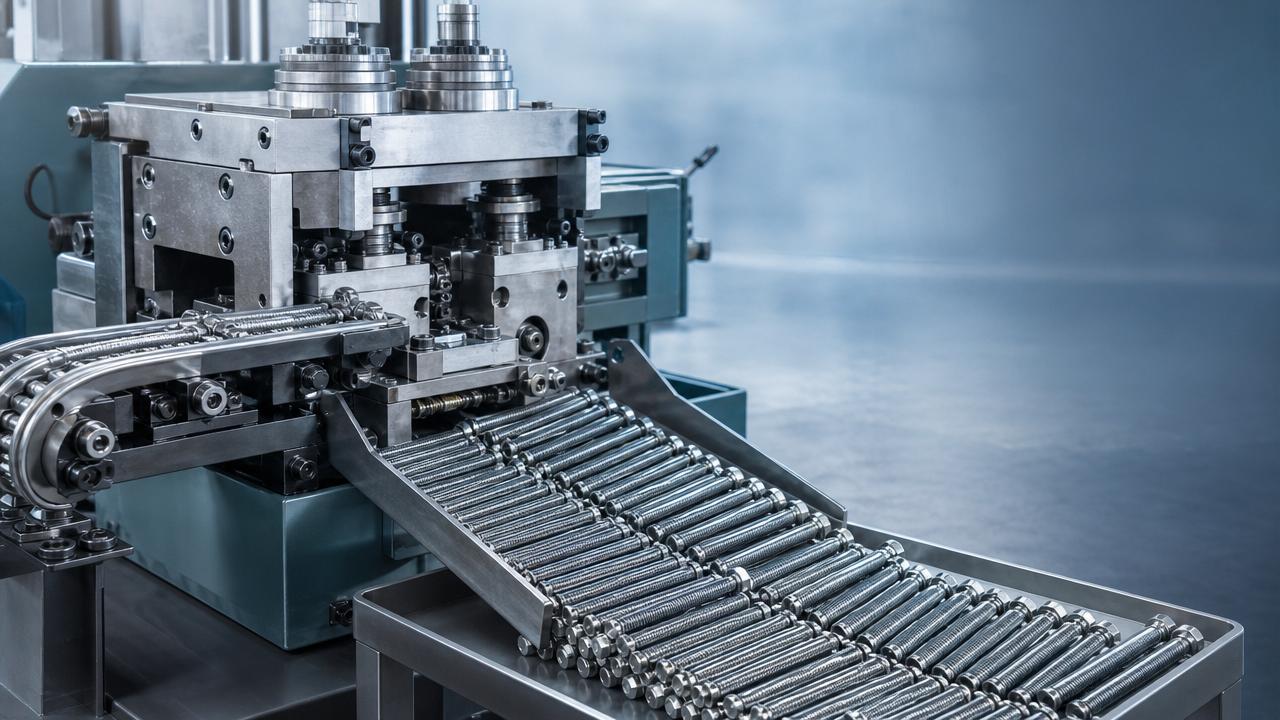
[Image-01: Flat die thread rolling machine working on screw and bolt production line]
Wuxi Armada International Trade Co., Ltd, based in Wuxi near Shanghai, has supplied mechanical equipment since 2012. Its product range covers thread rolling machines, CNC machine tools, welding systems, plate processing equipment, and H-beam production solutions, with production organized around ISO9001 and EU CE standards.
The first checks that save the most money
- Match the Flat die thread rolling machine to your actual screw and bolt range. Confirm diameter, thread length, pitch, blank shape, and target output before asking for a quotation.
- Check material compatibility early. Carbon steel, stainless steel, and alloy steel behave differently during rolling, and that directly affects machine load, die wear, and finished thread consistency.
- Ask for tolerance samples, not only catalog data. A machine may run fast in theory, but sample parts show whether thread depth and surface finish stay stable in production.
- Review feeding method and operator dependency. Semi-automatic setups cost less upfront, but automatic feeding usually lowers labor cost and reduces inconsistent loading over time.
- Compare full running cost instead of machine price alone. Include dies, spare parts, setup time, power use, maintenance frequency, and expected downtime in the evaluation.
- Confirm electrical standards, safety protection, and after-sales response before ordering. These details become urgent only after installation, so they should be clarified much earlier.
Key machine specifications worth checking closely
A Flat die thread rolling machine may look similar across suppliers, but small specification gaps can create big production differences.
Thread range and die capacity
Start with the machine’s supported diameter range and maximum thread length. If most parts are near the upper limit, long-term stability may suffer.
Die size matters too. Larger die compatibility gives more flexibility for future products and can simplify sourcing in different markets.
Speed versus usable output
Published speed is useful, but effective output is better. Ask how many qualified screws or bolts the Flat die thread rolling machine produces per hour under normal shift conditions.
A machine with moderate speed and fewer stoppages often beats a faster one that needs frequent adjustments.
Drive system and frame rigidity
A rigid frame helps keep thread shape consistent, especially with harder materials. Stable drive transmission also reduces vibration, noise, and uneven rolling pressure.
This is one area where the lowest-cost option can become expensive later through die damage and more rejected parts.
A simple comparison table for supplier evaluation
Different production situations need different choices
If the order mix changes often
Flexibility becomes more important than peak speed. Look for quick die change, easy parameter adjustment, and stable setup repeatability.
When small batches are common, changeover loss can quietly erase the value of a cheaper Flat die thread rolling machine.
If output demand is steady and large
Then automation, feeding stability, and thermal durability deserve more attention. A machine running three shifts must stay consistent, not just fast on day one.
This is also where supplier manufacturing discipline matters. Companies with broad equipment experience often understand line balance better, especially when thread rolling connects with upstream cutting, heading, or downstream inspection.
Do not ignore the line around the machine
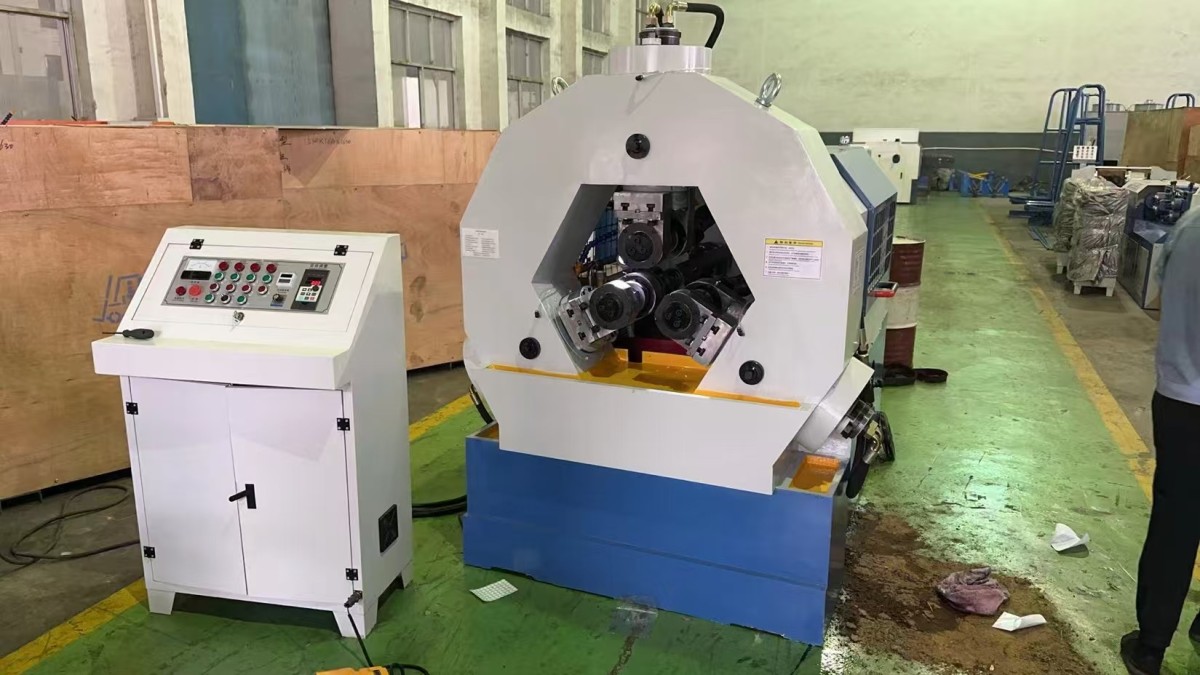
A Flat die thread rolling machine performs best when the full process is considered. Blank accuracy, lubrication, part transfer, and final inspection all influence thread quality.
That is why it helps to work with equipment suppliers that understand more than one process. For example, heavy fabrication users looking at broader workshop planning may also review solutions such as the 3 in 1 H beam welding machine, which combines assembling, welding, and correction to save floor space and reduce labor. Even though it serves a different application, the same purchasing logic applies: integration, automation, energy efficiency, and long-term operating cost matter more than headline price.
Common risks that are easy to miss
- Do not approve a Flat die thread rolling machine based only on video. Running noise, vibration, feeding smoothness, and part consistency are much easier to judge with sample testing.
- Be careful with oversized machine selection. Too much capacity increases investment and power consumption, while small parts may not run as efficiently as expected.
- Ask how long normal wearing parts last in real factories. Low spare-part price means little if replacements are needed too often.
- Check installation and training scope in writing. Some offers include remote guidance only, which may create longer startup time and more trial-and-error on site.
- Review CE-related safety details and electrical configuration before shipment. Late corrections can delay commissioning and create extra local modification costs.
Questions that help narrow the shortlist fast
- What part drawings and material grades has the supplier already handled on a similar Flat die thread rolling machine, and can matching sample data be shared?
- What is the qualified output per hour, including normal adjustment time, rather than only the maximum mechanical cycle speed shown in marketing materials?
- How difficult is die replacement and setup recovery? A short changeover process reduces labor pressure and protects delivery performance in mixed production.
- Which spare parts are standard, which are custom, and what is the normal delivery time? This point directly affects shutdown risk later.
- What support is available after delivery, including remote diagnosis, drawings, manuals, and commissioning guidance? Fast support often has more value than a lower quote.
A practical way to make the final decision
A reliable Flat die thread rolling machine should fit current orders, leave room for future sizes, and keep operating cost predictable.
The safest path is simple: define your main part range, collect real sample results, compare usable output, review spare-part support, and calculate cost over several years.
If two options seem close, choose the one with better production stability and service clarity. In screw and bolt manufacturing, fewer interruptions usually create the bigger saving.
That approach makes it easier to choose a Flat die thread rolling machine that supports quality, protects margin, and stays dependable as production grows.