
— —
Small Thread Rolling Machine Buying Guide: Capacity, Footprint, and Power Needs
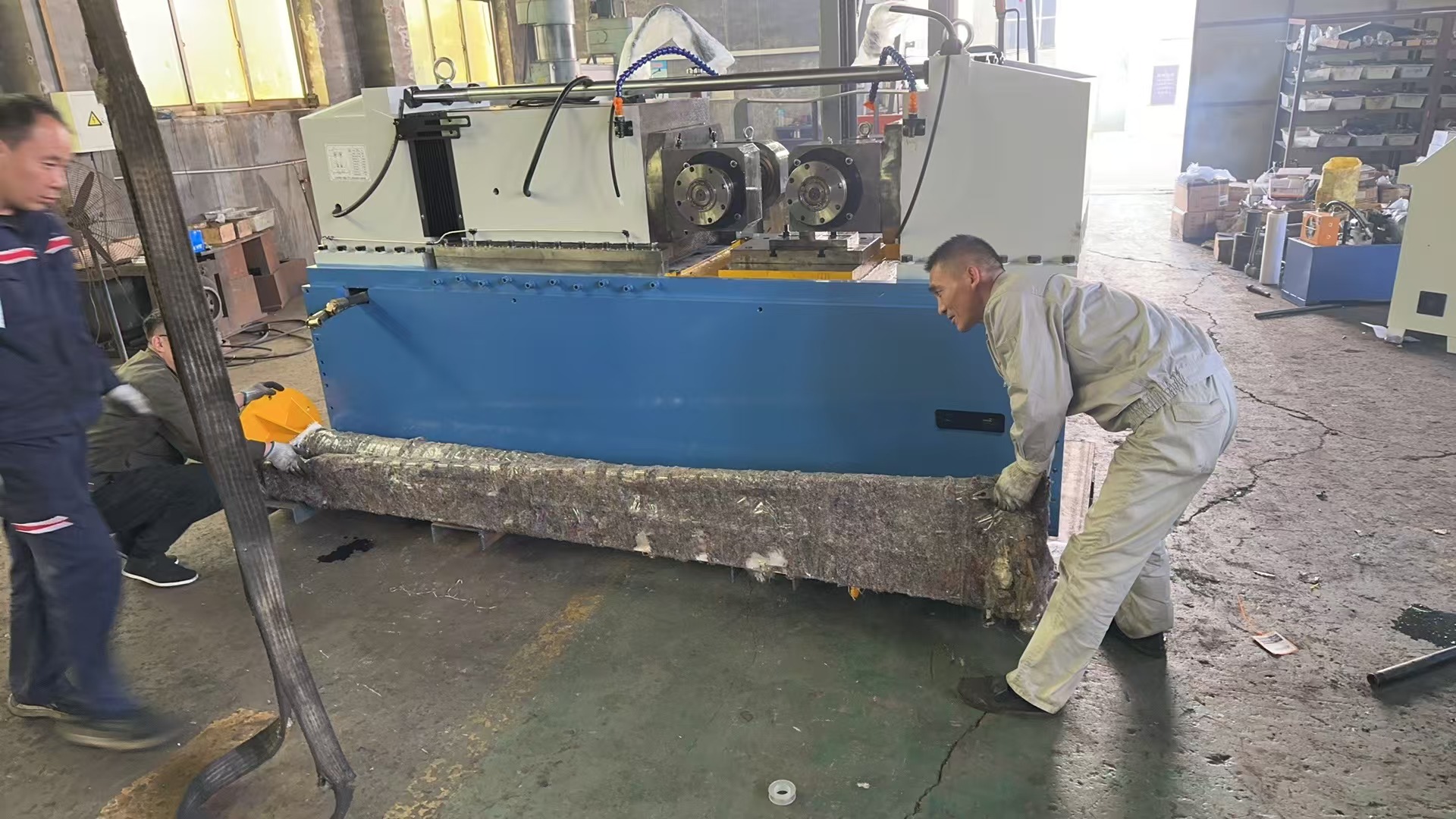
Why does a Small thread rolling machine need more than a basic spec check?
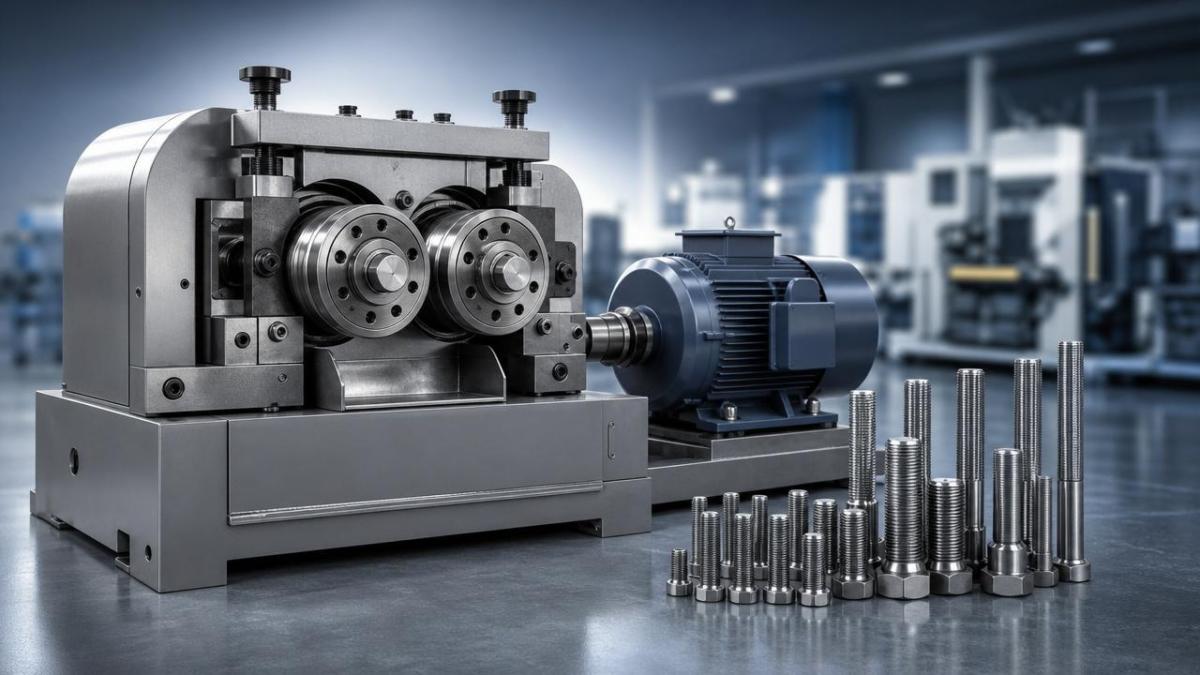
A Small thread rolling machine is usually selected under pressure.
Output targets, limited floor area, and power costs often compete with each other.
That is why a simple price comparison rarely leads to the best result.
A better approach is to judge the machine by capacity, footprint, motor demand, tooling stability, and compliance.
In practical metalworking, these factors affect not only production rate, but also setup time, operator safety, and part consistency.
A Small thread rolling machine can be ideal for bolts, studs, shafts, and similar parts, but only when the process window is clear.
That means understanding material grade, blank diameter, thread length, batch size, and the available utility conditions in the workshop.
Equipment suppliers with broad fabrication experience usually assess these points together, not separately.
Wuxi Armada International Trade Co., Ltd has supplied mechanical equipment since 2012 and works across machining, cutting, welding, and forming lines.
That broader background matters because thread rolling often connects with upstream blank preparation and downstream assembly requirements.
How should rolling capacity be interpreted in real production?
Capacity is not just a diameter number on a brochure.
For a Small thread rolling machine, true capacity includes three linked limits.
- Workpiece diameter range and usable thread length.
- Material hardness and deformation behavior.
- Required output per shift with acceptable scrap rate.
A machine may roll mild steel smoothly, yet struggle with higher-strength alloys at the same diameter.
It may also handle short threads well, but lose stability on longer engagement lengths.
More common mistakes happen when buyers size the machine by the biggest part only.
If most orders are smaller, frequent die changes and underused tonnage can reduce efficiency.
The better question is this: what part family will run most of the time?
Once that is defined, compare the rated range with the normal production mix, not the occasional maximum.
It also helps to ask about feeding mode, die life, lubrication method, and repeatability over long shifts.
Those details reveal whether the Small thread rolling machine is truly matched to daily throughput.
A quick capacity check before shortlisting
This type of checklist usually saves more time than comparing model names alone.
Will the footprint fit the workshop without creating workflow problems?
Machine footprint sounds simple, but the installed space is always larger than the base dimensions.
A Small thread rolling machine needs room for loading, unloading, die replacement, inspection, and maintenance access.
If bar stock or part bins are involved, the surrounding aisle width matters just as much.
In tighter workshops, a compact model may still create bottlenecks if the feeding direction interrupts material flow.
That is why layout planning should include operator standing position and finished-part transfer paths.
Noise control and oil management also deserve attention, especially where rolling sits near precision machining cells.
Some workshops pair thread rolling with end preparation or face processing for structural parts.
In those cases, it helps to review neighboring equipment such as CNC Face milling machine lines.
For h beam, box beam, cross beam, or other metal structure work, upstream and downstream spacing affects handling efficiency.
Where large-face processing is needed, dimensions such as max face beam 2500*2000 may influence aisle planning nearby.
A compact purchase only creates value when the whole cell still works smoothly.
How much motor power is enough, and when is more just wasted energy?
Power selection should follow load, not assumptions.
A Small thread rolling machine with insufficient motor power may stall, overheat, or lose thread consistency under harder materials.
An oversized motor, on the other hand, can raise purchase cost and increase idle energy use.
The practical balance depends on thread size, material strength, cycle frequency, and duty cycle.
It is also worth checking the transmission system and control method, not only the motor rating.
Efficient power use often comes from a well-matched drive train and stable hydraulic or servo response.
In actual workshops, electrical supply conditions can be the deciding factor.
Voltage, phase standard, peak load limits, and future expansion plans should all be checked early.
This is especially important for exported machinery, where local power standards differ by region.
Suppliers familiar with international shipments usually handle these adaptations more reliably.
Wuxi Armada International Trade Co., Ltd has experience serving markets in Southeast Asia, Europe, the Americas, and Oceania.
That kind of export background helps when power configuration and compliance documents must align from the start.
Common power-related questions worth asking
- What is the rated motor power under continuous production, not short test runs?
- Does the Small thread rolling machine require special starting current conditions?
- How does power demand change with larger diameters or harder materials?
- Is there a recommended lubricant and cooling approach for stable long-shift operation?
- Can the machine support future automation without replacing the main control system?
What often gets overlooked when comparing two similar machines?
Machines can look similar on paper and still behave very differently on the floor.
One difference is frame rigidity.
If the structure lacks stiffness, vibration affects surface quality and die life.
Another difference is guide accuracy and long-term stability.
This principle is familiar in other machine tools as well.
For example, on the second process side, a well-built CNC system, hardened guide rails, and spindle-feed perpendicularity directly shape machining quality.
That is one reason fabricators often review solutions like a CNC Face milling machine alongside forming equipment.
The point is not to compare different machines directly.
The point is to judge build quality, automation logic, and maintenance access with the same discipline.
Buyers also overlook die setup convenience, spare parts lead time, and the availability of safety interlocks.
ISO9001 process control and EU CE-oriented design practices are useful reference points here.
They do not replace technical evaluation, but they reduce uncertainty in documentation, traceability, and safety expectations.
Which buying mistakes usually cause regret after installation?
The first mistake is choosing by maximum force while ignoring the normal work mix.
The second is underestimating the real footprint, including access and material staging areas.
A third issue is skipping the discussion about utilities.
Power supply, air needs, lubrication, and waste handling all affect installation readiness.
Some teams also assume all thread rolling dies are easy to source locally.
That may not be true for custom profiles or export projects.
Another regret appears when cycle time was estimated from ideal samples rather than full-shift operation.
Real production includes changeovers, inspection pauses, and operator movement.
To make decisions easier, the table below summarizes the most practical checkpoints.
So what is the best next step before choosing a Small thread rolling machine?
Start with the real part list, not the catalog headline.
Group parts by diameter, thread length, material, and monthly volume.
Then map the available floor space, operator path, and electrical conditions.
With that information, comparing a Small thread rolling machine becomes much more objective.
It is easier to judge whether a compact model truly saves space, whether motor power is suitable, and whether the expected output is realistic.
It also becomes easier to compare compliance, support capability, and compatibility with related fabrication equipment.
A careful shortlist usually includes layout review, utility confirmation, sample part analysis, and service response details.
That process takes a little longer upfront, but it reduces mismatch, downtime, and hidden operating cost later.
When the machine is selected around actual production conditions, long-term value becomes much easier to see.