
— —
Hydraulic Guillotine Shearing Machine Price 2026: Cost Drivers
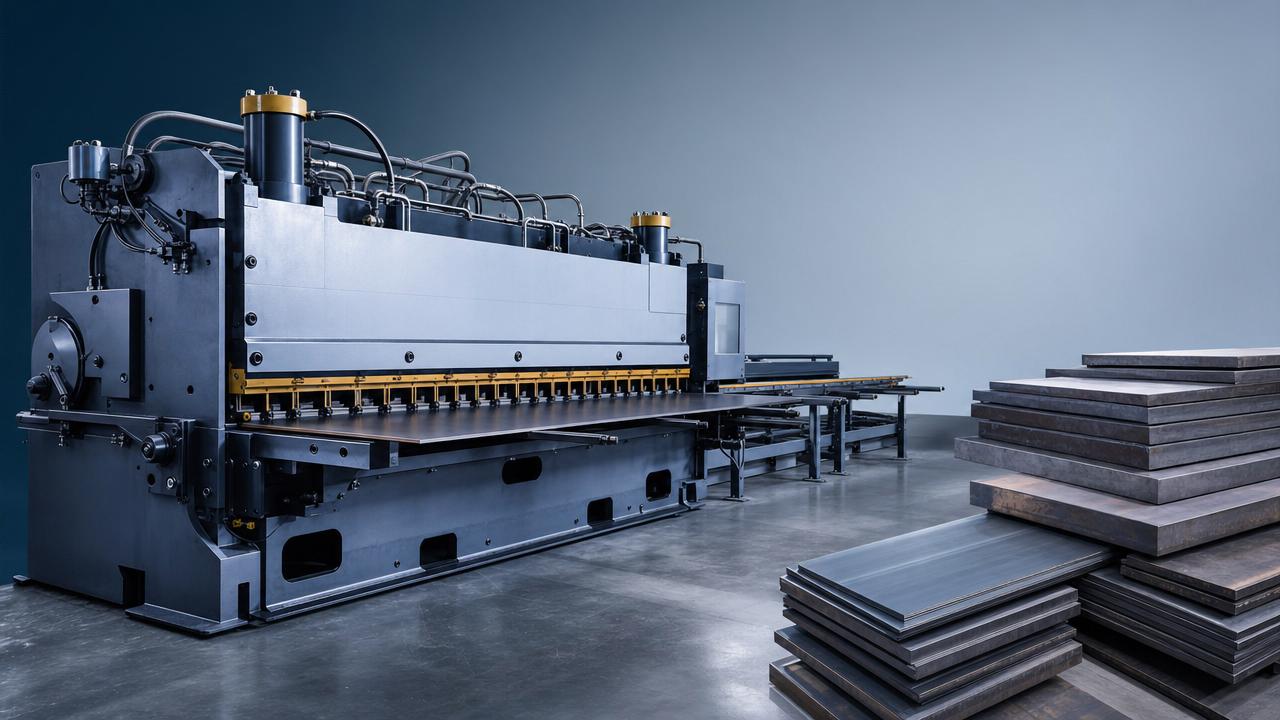
Why the hydraulic guillotine shearing machine price 2026 changes so much in real projects
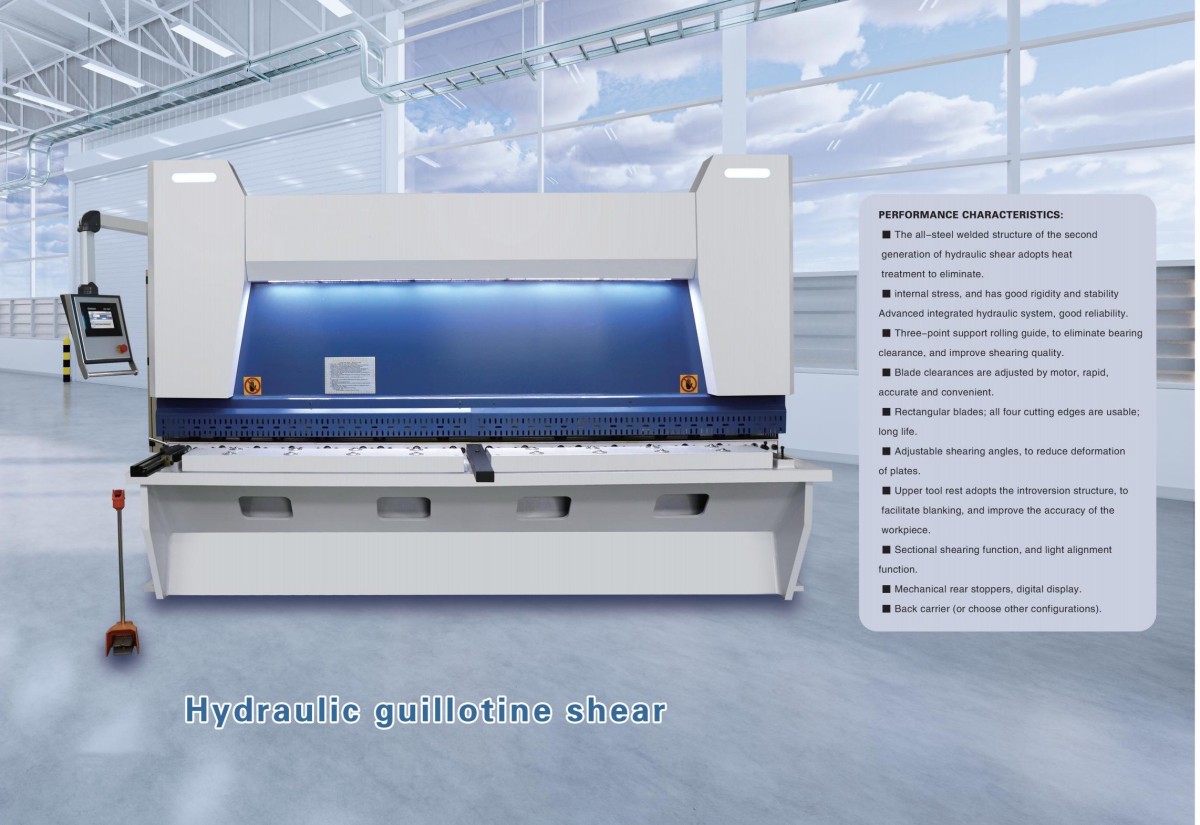
Understanding the hydraulic guillotine shearing machine price 2026 is not only about comparing quotations.
In actual fabrication work, price shifts because cutting tasks, throughput, material range, and compliance needs are rarely the same.
A machine used for light sheet batches is priced differently from one installed in a heavy plate line.
The gap is not just size.
It also comes from frame rigidity, hydraulic stability, blade quality, controller level, backgauge travel, and safety configuration.
That is why the hydraulic guillotine shearing machine price 2026 should be judged within the intended production scene.
For companies handling welding, cutting, rolling, and sheet processing together, the shearing step affects downstream accuracy and scheduling.
This is especially true in suppliers with integrated equipment portfolios and export experience across multiple markets.
When machines are built under ISO9001 processes and aligned with CE expectations, pricing often reflects more than visible hardware.
Actual use starts with scenario differences, not with the lowest quote
The same nominal cutting capacity can fit very different operations.
One site may cut mild steel only, while another alternates stainless steel, coated sheet, and thicker plate.
This changes wear rate, blade demands, and machine loading.
A small workshop often values flexible setup and moderate investment.
A production line usually values repeatability, faster positioning, and fewer interruptions.
So the hydraulic guillotine shearing machine price 2026 must be read together with production rhythm.
Another difference comes from installation conditions.
Floor space, power supply, operator habits, and maintenance resources often decide whether a lower machine price remains economical later.
Where price evaluation usually starts
- Material type and maximum thickness used every week, not only peak values.
- Working length and whether full-length cuts are routine or occasional.
- Daily cutting frequency and shift intensity.
- Tolerance expectations for downstream bending, welding, or assembly.
- Required safety level, export standard, and document support.
High-frequency sheet metal work usually cares about speed and consistency
In busy sheet metal jobs, the hydraulic guillotine shearing machine price 2026 is strongly influenced by cycle efficiency.
Thin to medium sheets are not difficult to cut, but repeated positioning raises the value of a stable backgauge system.
Here, a basic machine may look affordable at first.
Yet slower gauge adjustment, weaker hold-down performance, or inconsistent blade clearance can create hidden costs through scrap and rework.
This is common where the sheared parts move directly to press brakes or robotic welding cells.
If edge straightness varies, the next process absorbs the loss.
In this scene, paying more for a reliable controller and repeatable positioning often protects the total process cost.
Heavy plate cutting shifts the discussion toward structure and hydraulic reserve
When thicker carbon steel plates are involved, the hydraulic guillotine shearing machine price 2026 rises for reasons that are easier to justify.
The frame must resist deformation under load.
Hydraulic components need enough reserve to avoid unstable pressure during long production periods.
Blade material and heat treatment also matter more.
In these conditions, choosing by rated thickness alone is risky.
The more practical check is whether the machine handles the real material grade at the real cutting width with acceptable edge quality.
This is where specification sheets can mislead.
A model that cuts maximum thickness only at reduced width may not suit production, even if the quoted price looks attractive.
What usually adds cost in heavy-duty use
- Heavier welded frame and stress-relief treatment.
- Larger cylinders, seals, pumps, and valve groups.
- Higher-grade blades for thicker or harder plate.
- Longer support tables and stronger hold-down systems.
- Electrical and safety parts suited for export compliance.
For export-oriented factories, compliance and documentation can change the budget
Not every buyer needs the same compliance package.
Still, in many overseas installations, the hydraulic guillotine shearing machine price 2026 includes more than machine assembly.
CE-related guarding, electrical layout, manuals, testing records, and traceable quality procedures all add value and cost.
This is more visible when equipment is supplied alongside press brakes, rolling machines, deburring lines, or CNC systems.
Compatibility of standards across the line reduces future integration issues.
Suppliers with long export exposure often price these details more realistically because they have already seen destination-specific inspection expectations.
That experience can prevent later modifications, which usually cost more than planning upfront.
Different production scenes do not judge value in the same way
A quick comparison helps show why the hydraulic guillotine shearing machine price 2026 cannot be read as a single market number.
The hidden part of hydraulic guillotine shearing machine price 2026 is often after installation
A quotation may look complete while omitting real operating expenses.
Blade replacement frequency, seal quality, hydraulic oil cleanliness, and electrical troubleshooting time all affect ownership cost.
This is why the hydraulic guillotine shearing machine price 2026 should be reviewed as total cost, not purchase cost alone.
In production environments near other fabrication equipment, downtime spreads across several stations.
A shearing bottleneck can slow rolling, bending, welding, or deburring work that depends on stable part flow.
That is where supplier responsiveness, spare parts availability, and documentation clarity become financially relevant.
Common misjudgments before ordering
- Comparing only nominal tonnage and ignoring actual material mix.
- Treating occasional peak thickness as daily production demand.
- Ignoring maintenance access and operator skill level.
- Assuming similar-looking machines have equal frame and hydraulic quality.
- Leaving compliance review until shipment stage.
A practical way to match budget and machine level
The most useful approach is to separate necessary functions from optional comfort features.
For many operations, the hydraulic guillotine shearing machine price 2026 becomes easier to control after defining three limits.
The first is the true cutting envelope.
The second is the required consistency for downstream steps.
The third is the compliance and service expectation over several years.
If the machine will serve a broader fabrication plan, matching it with bending, rolling, laser cutting, or welding processes is worth more than chasing the lowest initial figure.
This is often where experienced suppliers stand out.
They can evaluate how the shearing machine fits the wider line, not only how it performs alone.
Useful checks before final comparison
- List the top three materials and their real weekly thickness range.
- Confirm whether full-length cutting is routine.
- Ask how blade clearance is adjusted and maintained.
- Review safety, CE, and electrical details before contract closure.
- Check spare parts lead time and remote support capability.
Final evaluation works better when the scene is clear
The hydraulic guillotine shearing machine price 2026 makes sense only when linked to actual cutting conditions and long-term production goals.
A lighter workshop, a heavy plate line, and an export-compliant fabrication plant will not value the same machine in the same way.
Before comparing offers, it helps to map the intended scene, key parameters, operating rhythm, and compliance limits.
Then review not only machine specifications, but also service depth, documentation quality, and integration with the rest of the metalworking process.
That sequence usually leads to a more accurate budget and a better fit for real production.