
— —
Pipeline Welding Machine Quality Risks in Field Work
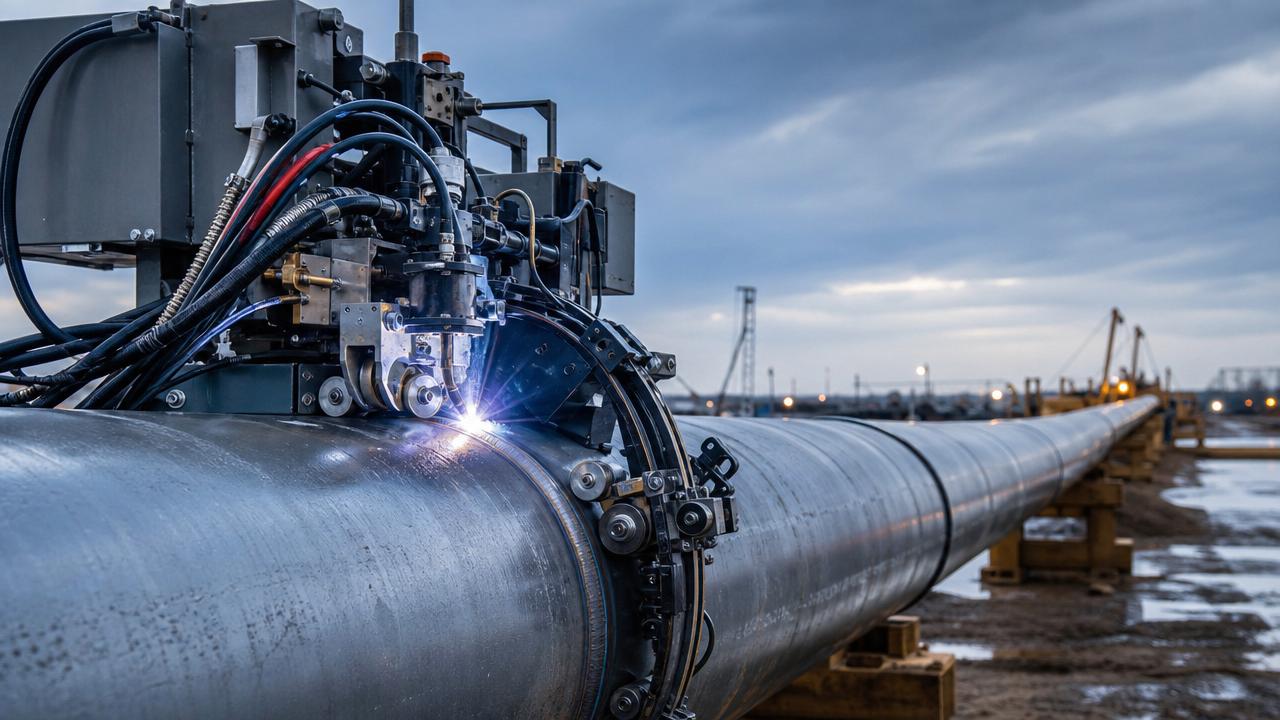
In field construction, every Pipeline welding machine directly affects weld integrity, operator safety, and project compliance.
Hidden risks such as unstable output, poor alignment, harsh sites, and weak maintenance can create defects, delays, and costly rework.
Understanding these risks before equipment selection helps protect pipeline performance and maintain safer welding results on demanding job sites.
Pipeline Welding Machine Quality Risks Start With the Field Scenario
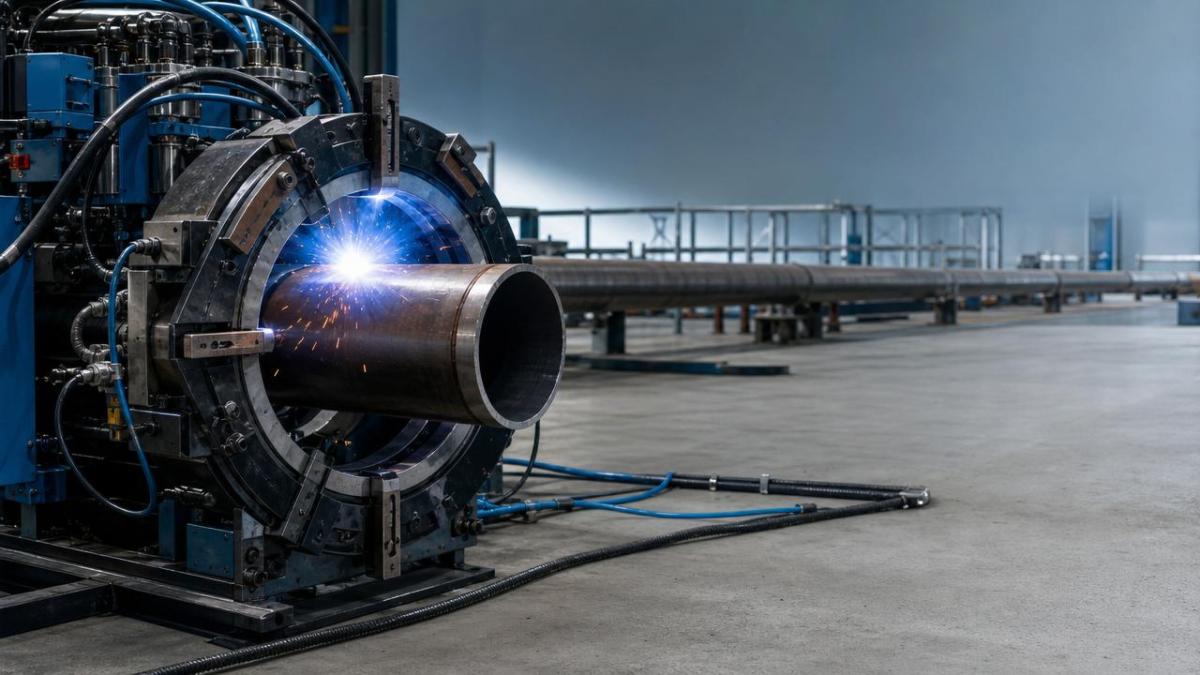
A Pipeline welding machine rarely works in ideal conditions. Wind, dust, humidity, uneven ground, and tight schedules influence every weld pass.
Quality risk is not only an equipment issue. It is a combination of machine stability, joint preparation, operator control, and inspection discipline.
Different pipeline projects also require different decisions. A gas pipeline has different tolerance pressure than temporary water transfer work.
For manufacturing and processing machinery users, scenario judgment prevents overbuying, under-specification, and preventable field failure.
Open Field Pipeline Welding Machine Use Requires Output Stability
Open field welding exposes equipment to power fluctuation and environmental interference. A Pipeline welding machine must maintain stable current and voltage.
Unstable arc behavior may cause lack of fusion, undercut, excessive spatter, and uneven bead appearance. These defects are expensive to repair.
Power supply quality should be checked before welding begins. Long cables, generators, and temporary distribution boxes need careful verification.
A reliable Pipeline welding machine should support consistent parameters, clear control response, and repeatable output across long working shifts.
Key judgment points for open field welding
- Confirm generator capacity before connecting the Pipeline welding machine.
- Check cable size, cable length, and grounding reliability.
- Record actual welding parameters, not only preset values.
- Protect terminals from rain, dust, oil, and accidental impact.
Trench and Confined Area Welding Adds Safety and Access Risks
Trench welding creates limited movement, restricted visibility, and higher fatigue. A Pipeline welding machine must fit the actual access route.
In narrow areas, cable routing becomes a quality issue. Tangled cables may pull torches, disturb travel speed, or damage insulation.
Ventilation also matters. Poor airflow can increase fume exposure and reduce visibility near the weld pool.
Emergency stopping, grounding, and insulation checks become more important when the Pipeline welding machine operates near wet soil or metal supports.
Practical trench welding controls
- Place the machine on stable ground above water accumulation.
- Keep return cables short and secure wherever possible.
- Use protective covers without blocking machine ventilation.
- Inspect insulation before every shift and after relocation.
High-Pressure Pipeline Projects Demand Stronger Process Control
High-pressure pipelines leave little room for hidden defects. A Pipeline welding machine must support consistent penetration and controlled heat input.
Weld quality depends on fit-up, bevel preparation, consumable control, preheating, interpass temperature, and controlled cooling.
The equipment should match the welding procedure specification. Parameter drift can invalidate approved procedure assumptions.
When inspection standards are strict, the Pipeline welding machine should provide stable adjustment and predictable performance across repeated joints.
Quality signals that need immediate attention
- Arc instability after cable or generator changes.
- Sudden increase in spatter under unchanged settings.
- Repeated porosity in the same field section.
- Different bead appearance between operators using identical procedures.
Long-Seam and Repetitive Work Benefits From Automation Lessons
Some pipeline-related fabrication includes long supports, pipe racks, frames, and structural assemblies. Repetition makes consistency more valuable.
In these cases, automation experience can guide risk reduction, even when final pipeline welds still require field control.
For example, the 7 axis railway type welding robot supports CNC-axis coordination, 3D drawing import, weld selection, and automatic tracking.
Its ground rail arrangement can support workpieces up to 12000mm long, with customizable length for larger production requirements.
The key lesson is repeatability. A Pipeline welding machine should be selected with the same focus on stable motion, clear alarms, and safe stopping.
Alarm lights, emergency stops, and safety grounding are not optional details. They reduce uncertainty when field or shop conditions change suddenly.
Different Pipeline Welding Machine Scenarios Need Different Priorities
A single specification sheet cannot describe every job. Matching equipment to the welding scene reduces defects and improves daily productivity.
This comparison shows why equipment choice must start from the operating environment, not only rated current or price.
Common Misjudgments That Increase Field Welding Defects
One common mistake is assuming a higher rated Pipeline welding machine automatically improves weld quality. Capacity alone cannot correct poor preparation.
Another mistake is ignoring cable voltage drop. Long site layouts can change actual arc behavior at the weld zone.
Maintenance is also underestimated. Dust inside cooling channels, loose terminals, and worn connectors can create unstable operation.
Consumable storage should not be separated from equipment control. Moist electrodes or contaminated wire can make a good machine appear unreliable.
A Pipeline welding machine should be evaluated together with shielding, consumables, power quality, joint fit-up, and inspection feedback.
Often ignored field checks
- Confirm polarity after equipment relocation.
- Check connector temperature during long welding cycles.
- Clean fan inlets before dusty site operation.
- Verify parameter displays against test weld results.
- Record recurring defects by location, operator, and machine setting.
Scenario-Based Selection Advice for a Pipeline Welding Machine
Selection should begin with pipe diameter, wall thickness, material grade, welding process, inspection level, and available power.
For mobile construction, portability and rugged enclosure matter. For long shifts, duty cycle and cooling design become decisive.
For strict inspection projects, parameter repeatability and documented setup become more valuable than basic output capacity.
A Pipeline welding machine should also be easy to service. Field downtime often costs more than planned maintenance.
Recommended selection sequence
- Define the pipeline material, diameter, and wall thickness range.
- Confirm the welding process and approved procedure requirements.
- Evaluate site power, cable length, and grounding conditions.
- Review safety devices, alarms, emergency stop access, and insulation.
- Plan spare parts, maintenance intervals, and operator training.
Maintenance Practices That Protect Pipeline Welding Machine Quality
Daily maintenance should be simple, visible, and documented. Complex checklists often fail under field pressure.
Before work, inspect power input, grounding, torch condition, feeder response, cooling airflow, and warning indicators.
During work, monitor abnormal sound, heat, output fluctuation, and arc behavior. Small changes may signal developing failure.
After work, remove dust, protect connectors, store cables correctly, and report any irregular welding performance.
Preventive maintenance keeps the Pipeline welding machine predictable. Predictability is essential for repeatable weld quality.
Turn Field Risk Into a Controlled Welding Plan
Quality control begins before the arc starts. The best results come from matching machine capability to actual job conditions.
Wuxi Armada International Trade Co., Ltd supplies mechanical equipment for welding, cutting, machining, forming, and metal processing applications.
The company follows ISO9001 quality system practices and EU CE standards across production organization and design control.
For pipeline projects, compare the Pipeline welding machine with site power, inspection level, safety needs, and maintenance resources.
A structured review can identify weak points early, reduce rework, and support safer field welding performance.
Share drawings, pipe specifications, process requirements, and site conditions to receive practical equipment guidance for your next welding project.