
— —
Shearing Machine Specs for Custom Irregular Metal Parts
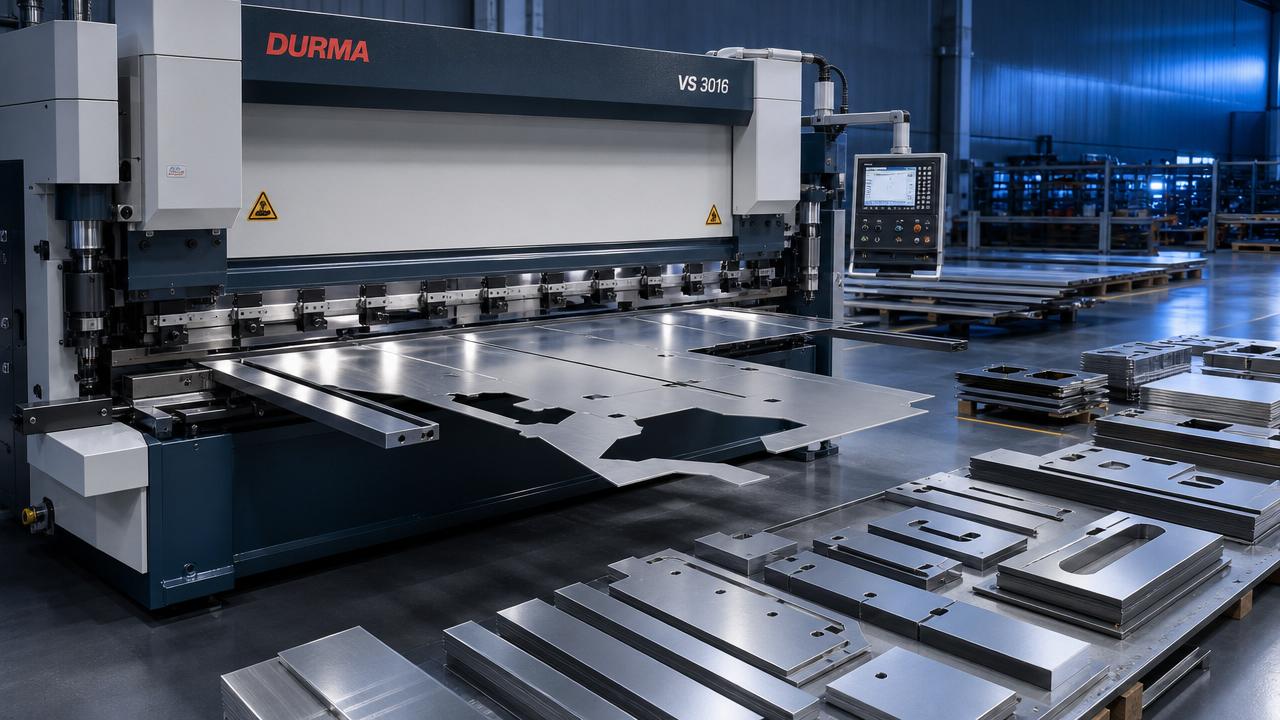
What shearing machine specs do I need for custom irregular metal parts? For project managers handling complex fabrication jobs, the answer affects precision, throughput, material yield, and delivery risk. From cutting force and blade length to backgauge control and irregular-part adaptability, choosing the right shearing machine is critical. This guide outlines the key specifications and selection factors to help you match equipment performance with demanding custom metal processing requirements.
In real production, irregular parts create challenges that standard straight-line sheet cutting does not. Holes, tapered edges, short flanges, varying widths, and mixed batch sizes all place higher demands on machine rigidity, setup speed, and operator control.
For engineering and project leaders, the right shearing machine is not only about tonnage. It is also about matching blade geometry, control functions, safety configuration, and material range to the job mix, from carbon steel plates to stainless steel and aluminum sheets.
Key Shearing Machine Specifications for Irregular Metal Part Production
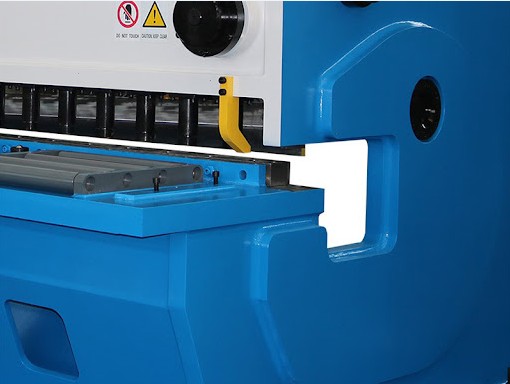
When buyers ask, “What shearing machine specs do I need for custom irregular metal parts?”, the first step is to define the cutting envelope. In most fabrication shops, 6 core specifications determine whether a machine can handle irregular parts efficiently or become a production bottleneck.
1. Cutting Capacity: Thickness, Material Type, and Strength
Cutting capacity must be evaluated by material type, not by a single thickness number. A machine rated for 6 mm mild steel may only process 3 mm to 4 mm stainless steel, depending on tensile strength and blade condition.
Project managers should request capacity data for at least 3 common materials: carbon steel, stainless steel, and aluminum. If your irregular parts combine 2 mm sheets with occasional 8 mm plates, do not size the machine only for the average workload.
Why this matters for irregular parts
Irregular blanks often require multiple repositioning steps. If the machine works near its upper limit on every cut, edge deformation, burr growth, and dimensional drift become more likely, especially over continuous 8-hour or 10-hour shifts.
2. Blade Length and Usable Cutting Width
Blade length should exceed your largest sheet width, but usable cutting width is equally important. Common machine ranges include 1250 mm, 2500 mm, 3200 mm, and 4000 mm. For custom irregular parts, 2500 mm to 3200 mm is often the practical middle ground.
A longer blade supports large panels, yet it also increases machine footprint and may reduce efficiency on small-batch parts if handling flow is not optimized. If 70% of your parts are below 1500 mm, oversizing may raise cost without improving output.
3. Backgauge Range and Positioning Accuracy
For custom work, backgauge performance often has more impact than raw force. A CNC backgauge with a range of 500 mm to 1000 mm and repeatability around ±0.1 mm to ±0.2 mm supports short-run accuracy and faster changeover.
Irregular parts usually need segmented dimensions rather than repeated rectangular cuts. Programmable backgauge movement reduces manual measuring steps, lowers operator dependency, and improves consistency across 20-piece, 50-piece, or 200-piece batches.
4. Blade Gap Adjustment and Rake Angle
Blade gap adjustment is essential when switching among thin aluminum, stainless steel, and thicker carbon steel. Manual blade clearance works for stable jobs, but hydraulic or CNC-adjusted systems are better for mixed-material projects with frequent setup changes.
Rake angle affects cutting force and edge quality. A suitable angle helps reduce load, but too much angle may increase twist on narrow or irregular strips. This is especially important when cutting parts that move next to downstream bending or welding stages.
5. Hold-Down System and Sheet Stability
On irregular shapes, sheet movement during cutting is a common source of waste. A reliable hydraulic hold-down system helps prevent slip marks, skewed edges, and part mismatch. This matters even more on thin sheets in the 0.8 mm to 3 mm range.
If your project includes polished stainless or coated sheets, ask whether the hold-down design can be configured to reduce surface damage. Material appearance requirements often influence acceptance more than the cut itself.
The table below shows how common shearing specifications relate to irregular part processing rather than standard plate cutting alone.
For project-driven production, the best specification set is usually not the maximum available. It is the combination that balances material range, repeatability, and setup speed across varied part profiles.
How to Select the Right Machine for Project-Based Fabrication
A smart purchase decision starts with your part mix, not the catalog headline. If your team handles prototypes, engineering changes, and custom assemblies, machine flexibility can be more valuable than peak cutting force alone.
Map Your Actual Production Profile
Before requesting a quotation, prepare 4 categories of data: material grades, thickness range, maximum sheet size, and monthly volume. For many factories, 60% to 80% of the final machine decision can be validated from this basic production profile.
- Main materials: mild steel, stainless steel, aluminum, galvanized sheet
- Thickness distribution: for example 1 mm–3 mm, 4 mm–6 mm, and occasional heavier jobs
- Part geometry: narrow strips, tapered blanks, notched edges, angled cuts
- Production mode: prototype, small batch, repeat batch, or mixed daily scheduling
Choose the Right Shearing Structure
Swing beam shears are often cost-effective for general fabrication, while guillotine shears usually offer stronger rigidity and better control on thicker plates or tighter tolerance work. For custom irregular metal parts, the right choice depends on accuracy needs and material diversity.
If your operation combines 2 mm stainless with 10 mm carbon steel, a more rigid structure can reduce edge variation and lower downstream rework. If the workload is mostly thin sheet and shorter runs, a simpler configuration may be sufficient.
Evaluate Control System Efficiency
In project environments, setup time can consume 15% to 30% of scheduled machine hours. A CNC controller that stores programs, recalls repeated dimensions, and supports fast backgauge positioning can significantly improve daily throughput.
This is especially useful when production involves 10 to 20 different parts in one shift. Program memory, operator interface clarity, and parameter consistency should be reviewed during technical discussions, not after installation.
Account for Material Handling and Workflow
A machine that looks suitable on paper may still slow production if front support, rear discharge, and scrap handling are poorly matched to the workshop layout. For 2500 mm or 3200 mm sheets, operator access and staging space affect both safety and output.
When irregular parts are small, sorting and identification also matter. Consider whether the machine can be paired with support arms, sheet positioning aids, or conveyors to reduce handling damage and miscount risk.
The following comparison helps project managers shortlist machine configurations based on typical custom fabrication conditions.
This comparison shows why custom projects often justify higher-value control and support features. Reduced setup error and lower scrap can outweigh the initial equipment difference over the first 12 to 24 months of use.
Risk Control, Maintenance, and Supplier Evaluation
Even the right specification can underperform if service support, machine setup, and maintenance planning are weak. For project managers, supplier evaluation should include technical response speed, documentation quality, and practical commissioning support.
Common Buying Mistakes
One frequent mistake is selecting a machine based only on maximum thickness. Another is underestimating the impact of blade adjustment, gauge repeatability, and shift-to-shift consistency. These gaps often appear after purchase, when delivery deadlines are already fixed.
- Ignoring material strength differences between carbon steel and stainless steel
- Choosing insufficient backgauge travel for multi-dimension parts
- Not checking blade clearance adjustment method
- Overlooking operator safety and maintenance access
Maintenance Items That Protect Delivery Schedules
Routine maintenance should be planned from day 1. Hydraulic inspections, blade wear checks, lubrication, and gauge calibration should follow operating hours and workload intensity. On mixed-use machines, a weekly visual check and monthly functional review are common good practice.
If the machine supports production-critical orders, ask for recommended spare parts lists, blade rotation guidance, and troubleshooting procedures. A 24-hour or 48-hour response expectation for technical support may be important for export-oriented factories.
What to Confirm with the Supplier
When comparing suppliers, request more than a nameplate specification. Confirm machine structure, control brand options, standard accessories, electrical standard compatibility, documentation language, and acceptance conditions before order release.
Wuxi Armada International Trade Co., Ltd, based in Wuxi City, Jiangsu Province, supplies a broad range of fabrication and metalworking equipment, including shearing machines, bending machines, plate rolling machines, leveling machines, deburring machines, CNC cutting machines, and related production solutions.
With experience in serving customers across Southeast Asia, Europe, North and South America, and Oceania, the company aligns production and design with ISO9001 quality system requirements and EU CE standards. For project teams, this supports more reliable communication on technical expectations, compliance, and export delivery coordination.
Recommended supplier checklist
- Capacity confirmation by material and thickness, not one nominal figure
- Tolerance and backgauge repeatability data
- Blade clearance adjustment method and maintenance interval
- Electrical, safety, and export documentation compatibility
- Commissioning, training, and spare parts support scope
If you are still asking, “What shearing machine specs do I need for custom irregular metal parts?”, focus on 3 priorities: real material capacity, accurate and flexible positioning, and dependable support after delivery. These factors directly influence scrap rate, production rhythm, and project schedule stability.
For project managers and engineering teams handling variable metal fabrication work, a well-matched shearing machine reduces rework, shortens setup time, and improves coordination with bending, welding, and downstream assembly. Wuxi Armada International Trade Co., Ltd can help evaluate your job requirements and recommend practical machine configurations for custom processing needs.
Contact us now to discuss your sheet thickness range, part drawings, production volume, and control preferences. Get a tailored shearing solution, product details, and further fabrication equipment recommendations for your next project.