
— —
Small Workshop Shearing Machine Upgrade ROI in 2026
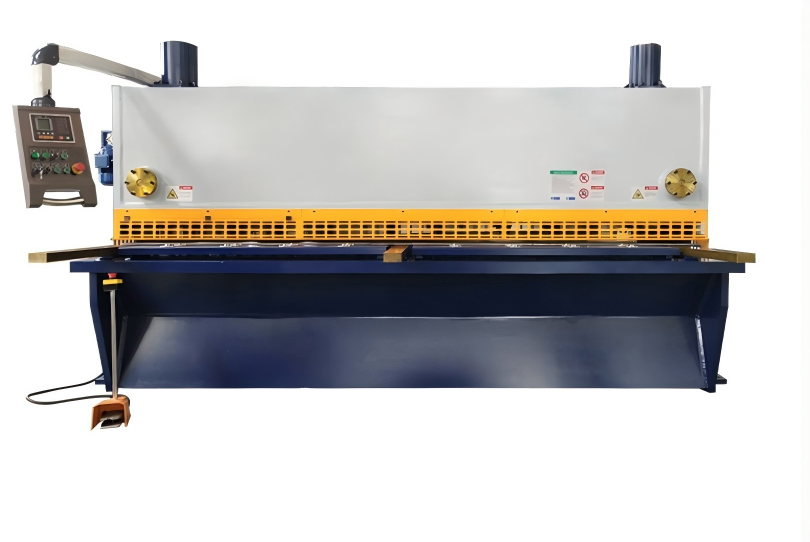
Why a shearing machine upgrade matters more in 2026
In 2026, every capital purchase in a small sheet metal workshop will face tighter financial scrutiny.
That is why the shearing machine upgrade ROI for small sheet metal workshop operations has become a finance topic, not only a production topic.
A modern shearing machine can affect output, scrap, labor hours, maintenance, quoting speed, and even order acceptance.
For smaller workshops, the real question is simple: will the upgrade pay back fast enough, with manageable risk?
The answer depends less on brochure specs and more on a few practical checks.
The points below help evaluate a shearing machine upgrade ROI for small sheet metal workshop planning in a way that supports real approval decisions.
Right below is a simple visual checkpoint list often used before comparing models and payback timelines.
[Image 01: Small workshop shearing machine ROI evaluation flow, covering labor, scrap, maintenance, throughput, and payback]
Start with the numbers that actually move ROI
Not every machine improvement creates financial value.
For a realistic shearing machine upgrade ROI for small sheet metal workshop operations, focus on measurable drivers first.
- Track current cut volume by thickness, material type, and batch size. This shows whether the upgrade solves a real bottleneck or just replaces an old asset too early.
- Measure labor time around loading, backgauge setting, squaring, and rework. These hidden minutes often create more ROI than the cutting stroke itself.
- Calculate scrap and remnant loss from poor repeatability. Even a small error rate can sharply reduce shearing machine upgrade ROI for small sheet metal workshop jobs.
- Review maintenance records from the last 12 months. Frequent downtime, blade issues, and hydraulic leaks should be priced into the decision.
- Compare average order lead time before asking about machine price. Faster completion may unlock extra orders without adding headcount or floor space.
- Check energy use and consumables, but keep them secondary. In most small workshops, labor efficiency and uptime have a larger ROI effect.
A quick rule that avoids weak investment cases
If the current machine still runs reliably and idle time is high, the case may be weak.
If overtime, rework, delayed delivery, or subcontract cutting are rising, the case becomes much stronger.
Six practical checks before approving the budget
These checks are useful because they turn technical claims into finance-ready evidence.
- Confirm the new machine’s working width, thickness range, and control accuracy match the actual order mix. Overspec equipment can delay payback and raise financing pressure.
- Ask for a throughput estimate based on similar material and shift conditions. Generic speed claims often overstate the shearing machine upgrade ROI for small sheet metal workshop use.
- Include installation, operator training, blade setup, and electrical preparation in the total project cost. Missing these items makes the ROI look better than reality.
- Check availability of service parts and response time. A low purchase price means little if a small fault stops production for a week.
- Verify safety features and compliance documents. Machines aligned with ISO9001-managed production and EU CE standards can reduce approval risk and support long-term use.
- Build a payback model using conservative assumptions. Use current order volume first, then add upside only if sales history supports it.
What often gets ignored
The biggest miss is treating the machine as a standalone tool.
In reality, the shearing machine upgrade ROI for small sheet metal workshop planning depends on workflow around it, including deburring, bending, loading, and inspection.
Where returns usually show up first
Small workshops rarely recover the investment from one big improvement alone.
Returns usually come from several smaller gains that add up over a year.
This is why a machine with better controls and repeatability often beats a machine chosen only for maximum tonnage.
Three common workshop situations and what they mean
Older hydraulic machine, stable orders, rising maintenance
This is usually the clearest replacement case.
If downtime is becoming unpredictable, the shearing machine upgrade ROI for small sheet metal workshop use should include lost delivery confidence, not only repair invoices.
Manual setup machine, mixed batches, short lead times
Here, setup reduction matters a lot.
A modern backgauge and easier control system can reduce changeover friction and help process more small orders in the same shift.
Current machine works, but growth depends on outside subcontracting
This needs careful comparison.
If subcontract costs are recurring and lead time hurts margins, internalizing that work can strengthen the shearing machine upgrade ROI for small sheet metal workshop expansion.
How to avoid overstating shearing machine upgrade ROI
A strong proposal should be conservative.
- Do not count every theoretical speed increase as usable output. Material handling, operator availability, and downstream capacity may limit the real gain.
- Do not assume instant operator efficiency after installation. Allow a learning curve when estimating first-quarter performance and labor savings.
- Do not ignore blade cost, calibration, or foundation requirements. These expenses may be small individually but can change short-term cash flow.
- Do not project new sales unless quoting history supports it. Finance approvals usually move faster when the model stands on existing demand.
- Do not compare only purchase prices. Service support, machine durability, and design quality affect long-term shearing machine upgrade ROI for small sheet metal workshop operations.
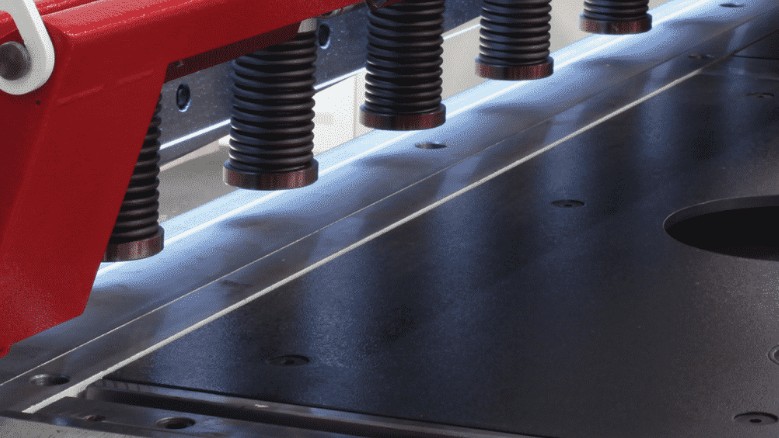
Supplier quality also changes the financial result
Machine quality is not only about the first shipment.
It also affects consistency, support, and future maintenance planning.
Wuxi Armada International Trade Co., Ltd, based in Wuxi City, Jiangsu Province, has supplied mechanical equipment since 2012.
Its portfolio covers shearing machines, bending machines, plate rolling machines, leveling machines, deburring equipment, CNC cutting machines, machine tools, and more.
For ROI review, that matters because line compatibility and process matching reduce integration risk.
The company states that production and design are organized under ISO9001 quality system certification and EU CE standards.
That kind of control can support a more reliable shearing machine upgrade ROI for small sheet metal workshop investment, especially when risk reduction is part of the approval logic.
A simple approval model that works in practice
If the decision is close, use a three-layer model.
- Base case: use current orders, current staffing, realistic downtime reduction, and modest setup savings. This is the minimum acceptable picture.
- Expected case: add moderate throughput improvement and reduced scrap supported by tests or supplier references from similar applications.
- Upside case: include extra orders only when sales records, customer demand, or subcontract replacement clearly support the forecast.
This keeps the shearing machine upgrade ROI for small sheet metal workshop decision grounded and easier to defend later.
What to do next before making the final call
First, collect twelve months of maintenance, scrap, overtime, and throughput data from the current machine.
Second, match those numbers against actual order mix, not general production plans.
Third, request a proposal that includes full project cost, delivery scope, training, and support response details.
When those pieces are clear, the shearing machine upgrade ROI for small sheet metal workshop investment becomes much easier to judge.
In many cases, the best decision is not the cheapest machine.
It is the machine that improves uptime, reduces hidden labor loss, and fits the workshop’s real order structure with the lowest execution risk.