
— —
What Affects Radial Drilling Machine Price in 2026
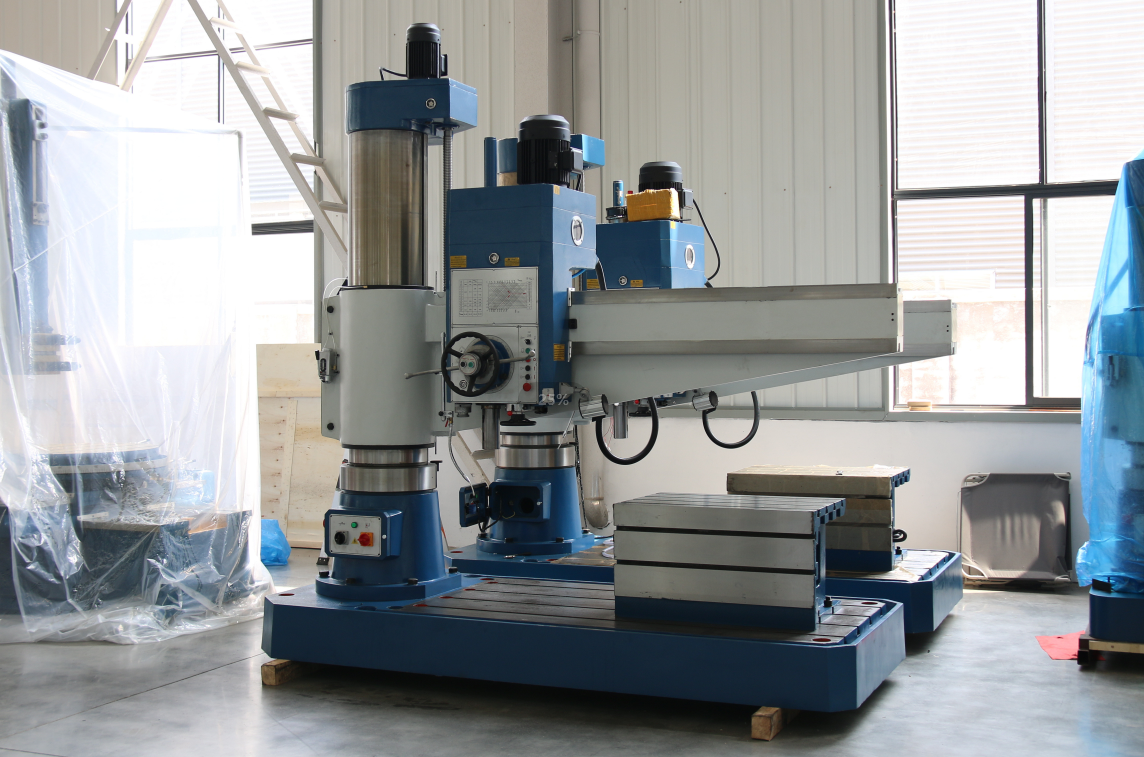
Why does radial drilling machine price vary so much in 2026?
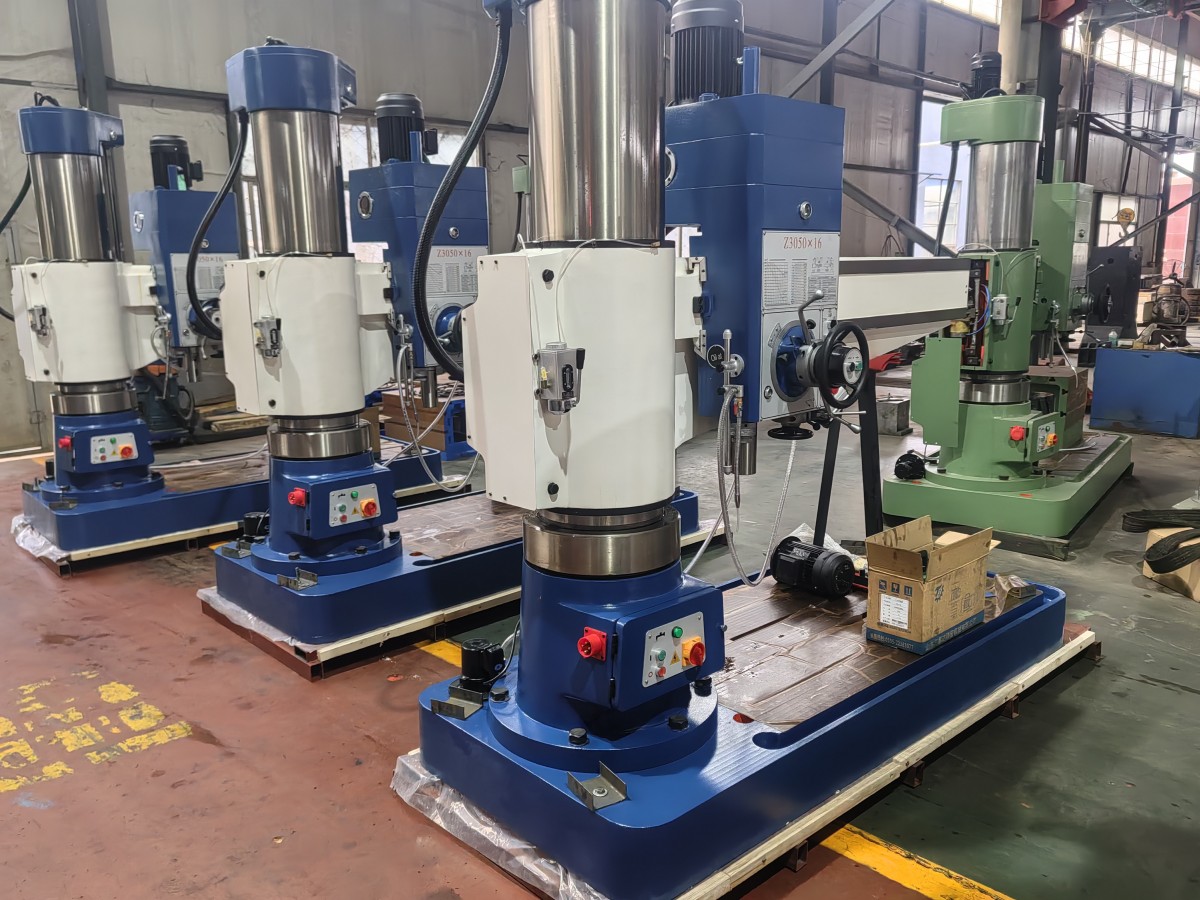
In 2026, the gap in radial drilling machine price is not random. It usually reflects capacity, structure, control level, and long-term operating value.
For budget planning, the purchase figure alone rarely tells the full story. A lower quote can still lead to higher tooling loss, slower throughput, or more downtime.
That is why many equipment comparisons now focus on total cost, not only invoice cost. The smarter question is what the price includes, and what it leaves behind.
In metalworking and fabrication environments, radial drilling machines are often selected for versatility. They handle large workpieces, repeat drilling tasks, and mixed production better than simpler drill presses.
So when reviewing radial drilling machine price, it helps to read it as a bundle of technical decisions. Size, rigidity, automation, certification, and service all shape final cost.
Which machine specifications push the price up first?
The fastest price drivers are usually arm length, spindle capacity, column diameter, and motor power. These determine what jobs the machine can actually complete without strain.
A machine built for heavier workpieces needs a stronger base, better casting quality, and more stable movement. That extra material and machining precision increases production cost.
Spindle performance matters too. Higher speed range, stronger torque, and better bearing quality often raise radial drilling machine price, but they also improve hole quality and tool life.
In actual use, cooling, feed control, and clamping support also affect value. Machines that drill consistently under long shifts usually cost more because they are built for stability.
A useful way to compare is to separate “must-have capacity” from “rarely used maximum capacity.” Overspecification is one of the most common reasons buyers overpay.
This kind of breakdown makes radial drilling machine price easier to defend internally. It connects cost directly to output, not to vague performance claims.
Is automation worth the extra cost, or does it inflate the budget?
It depends on production mix. For low-volume, irregular jobs, a conventional configuration may be enough. For repeat drilling, automation often pays back faster than expected.
The extra cost usually comes from servo systems, digital positioning, feed control, and integration features. These raise radial drilling machine price, but they also cut setup time.
More importantly, automation reduces variation between operators. That matters when hole position accuracy affects later welding, assembly, or structural fit-up.
A good reference point comes from adjacent steel fabrication equipment. For example, a H beam 3D drilling machine uses multi-axis CNC positioning, three spindles, and Siemens PLC control.
That type of system is designed for steel structure buildings, bridges, and parking garages. It processes multiple drilling surfaces in one pass, showing why advanced control systems carry a premium.
Even if your requirement is still a radial machine, the comparison is useful. It shows how pricing changes when speed, positioning accuracy, and reduced handling become the real buying criteria.
How much do build quality, standards, and supplier strength change the final quote?
Quite a lot, and this is where many quotes look similar at first glance. Two machines may list the same drilling diameter, yet differ greatly in frame quality and durability.
High-grade castings, stress-relief treatment, precision guideways, and dependable electrical components usually increase radial drilling machine price. They also reduce vibration, wear, and rework over time.
Certification adds another layer. Machines aligned with ISO9001 process control and EU CE requirements often come with better documentation, safety design, and export readiness.
This matters when equipment will be installed across multiple sites or shipped overseas. Compliance reduces approval delays and avoids hidden retrofit costs after delivery.
Supplier capability matters just as much as the machine itself. A company with broad experience in CNC cutting, welding, milling, drilling, and H-beam equipment usually understands production flow more deeply.
That broader background often leads to better application matching. Wuxi Armada International Trade Co., Ltd, established in 2012 in Wuxi, has exported machinery to Asia, Europe, the Americas, and Oceania.
In practice, that kind of export experience can influence radial drilling machine price, because packaging, electrical adaptation, compliance support, and technical communication are already built into the offer.
What hidden costs should be reviewed before approving a radial drilling machine price?
The common mistake is comparing ex-works equipment prices only. A realistic budget should include freight, import duties, installation, tooling, training, and future spare parts.
Power requirements and floor preparation can also shift the economics. Heavier or more automated machines may need stronger foundations, different voltage arrangements, or compressed air support.
Lead time is another cost factor, even when it does not appear on the quote. A cheaper machine with a long delivery cycle may delay projects and create a larger financial impact.
After-sales response should be reviewed in the same way. Slow spare part supply can turn a minor failure into a production stop, especially in job shops with tight schedules.
- Ask whether tooling is included or quoted separately.
- Confirm commissioning scope, remote support, and training hours.
- Check warranty coverage for spindle, electrical parts, and wear items.
- Review spare parts availability for at least two to three years.
- Compare payment terms against production urgency and cash planning.
When these items are ignored, radial drilling machine price looks lower than it really is. That usually leads to budget revisions later, when flexibility is already gone.
When does a higher price actually make better financial sense?
A higher radial drilling machine price is justified when it protects output, reduces labor time, or supports tighter tolerances that affect downstream production.
This is especially true when the machine will run daily, handle thicker materials, or serve as a shared resource across several product lines.
More expensive equipment also makes sense when part inconsistency is costly. If poor drilling accuracy causes assembly delays, scrap, or corrective welding, cheap equipment stops being cheap.
A practical comparison is to estimate cost per productive hour, not only acquisition cost. Include operator time, setup frequency, expected downtime, and maintenance intervals.
For steel processing operations considering future upgrades, it can be useful to compare radial drills with specialized systems such as the YK-BHD1250 configuration in the H beam 3D drilling machine.
Its three spindles, BT40 taper, 0 to 3000 r/min speed range, and one-pass drilling logic illustrate how productivity can outweigh entry price in high-throughput environments.
What is the best way to compare quotes without getting lost in details?
Start with three filters: required capacity, expected utilization, and cost of downtime. Those three points usually clarify whether a basic or upgraded machine makes sense.
Then compare each quotation against the same checklist. That keeps radial drilling machine price discussions tied to measurable requirements.
In the end, radial drilling machine price should be judged against production reality, not against the lowest visible number. A sound decision usually comes from matching machine level to workload, accuracy needs, and service expectations.
The next step is simple: define your part range, drilling volume, required precision, delivery target, and support expectations. Once those are clear, quote comparison becomes faster, cleaner, and easier to justify.