
— —
When a Universal Radial Drilling Machine Is the Better Fit
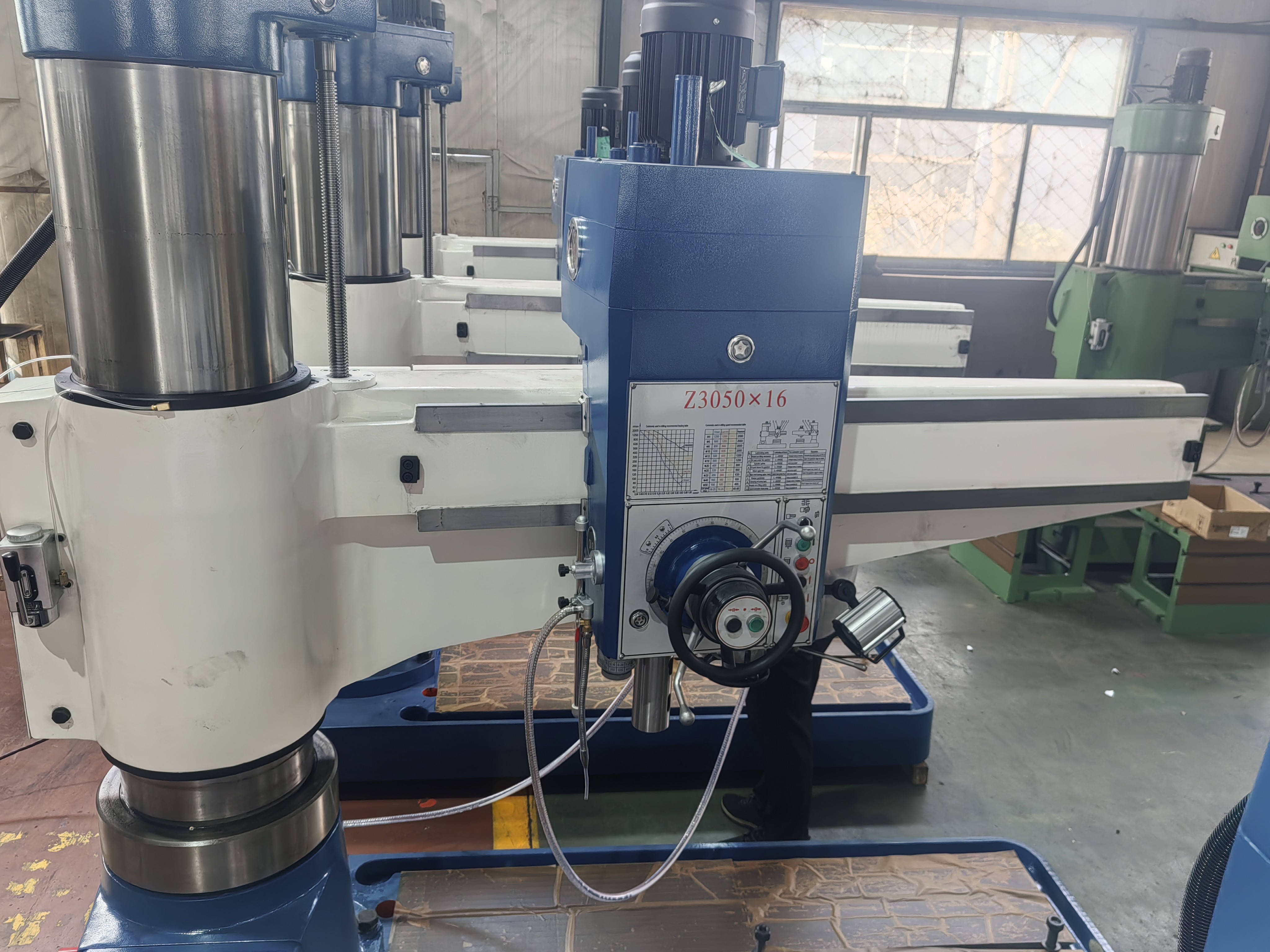
When a Universal Radial Drilling Machine Is the Better Fit
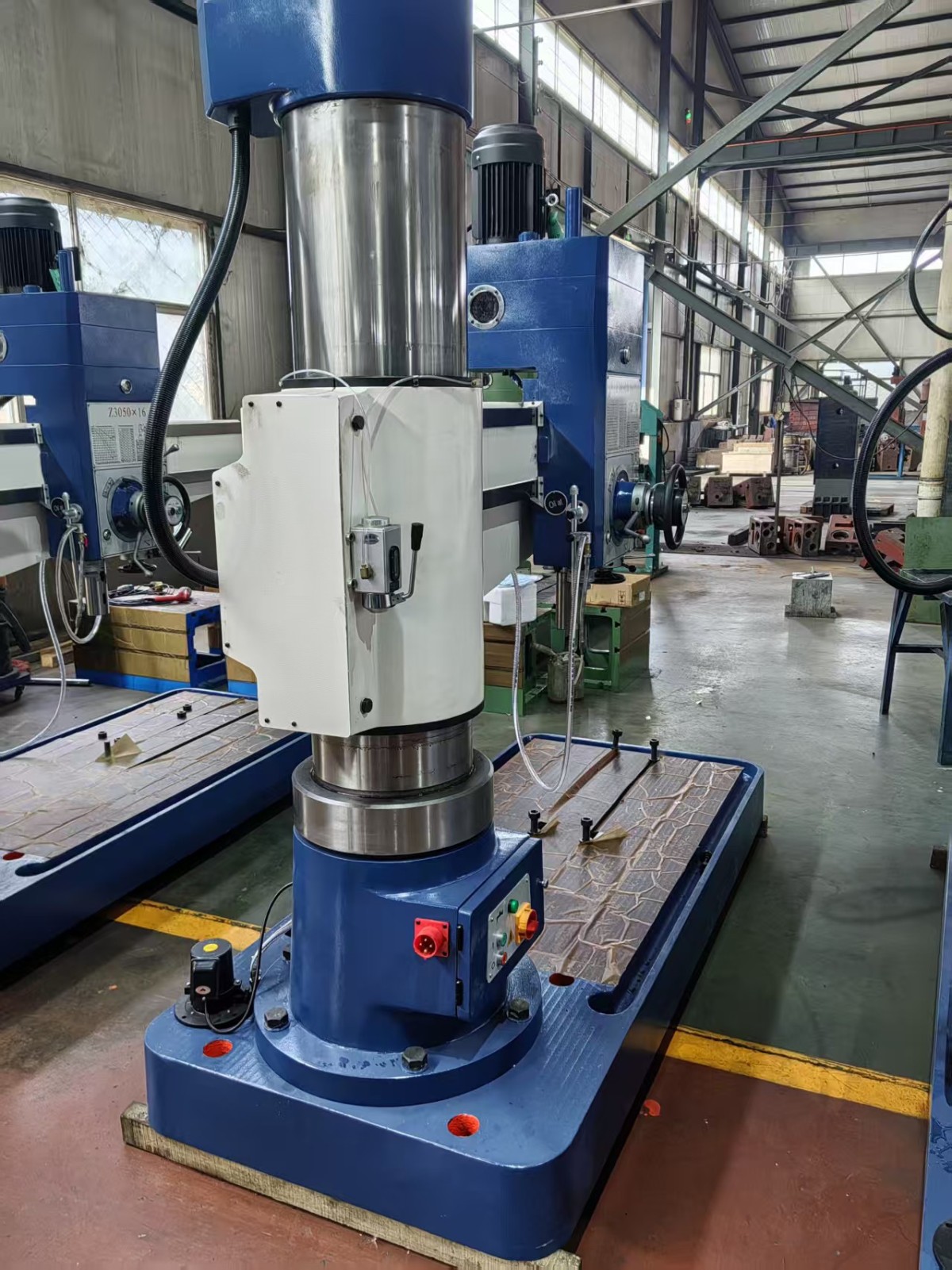
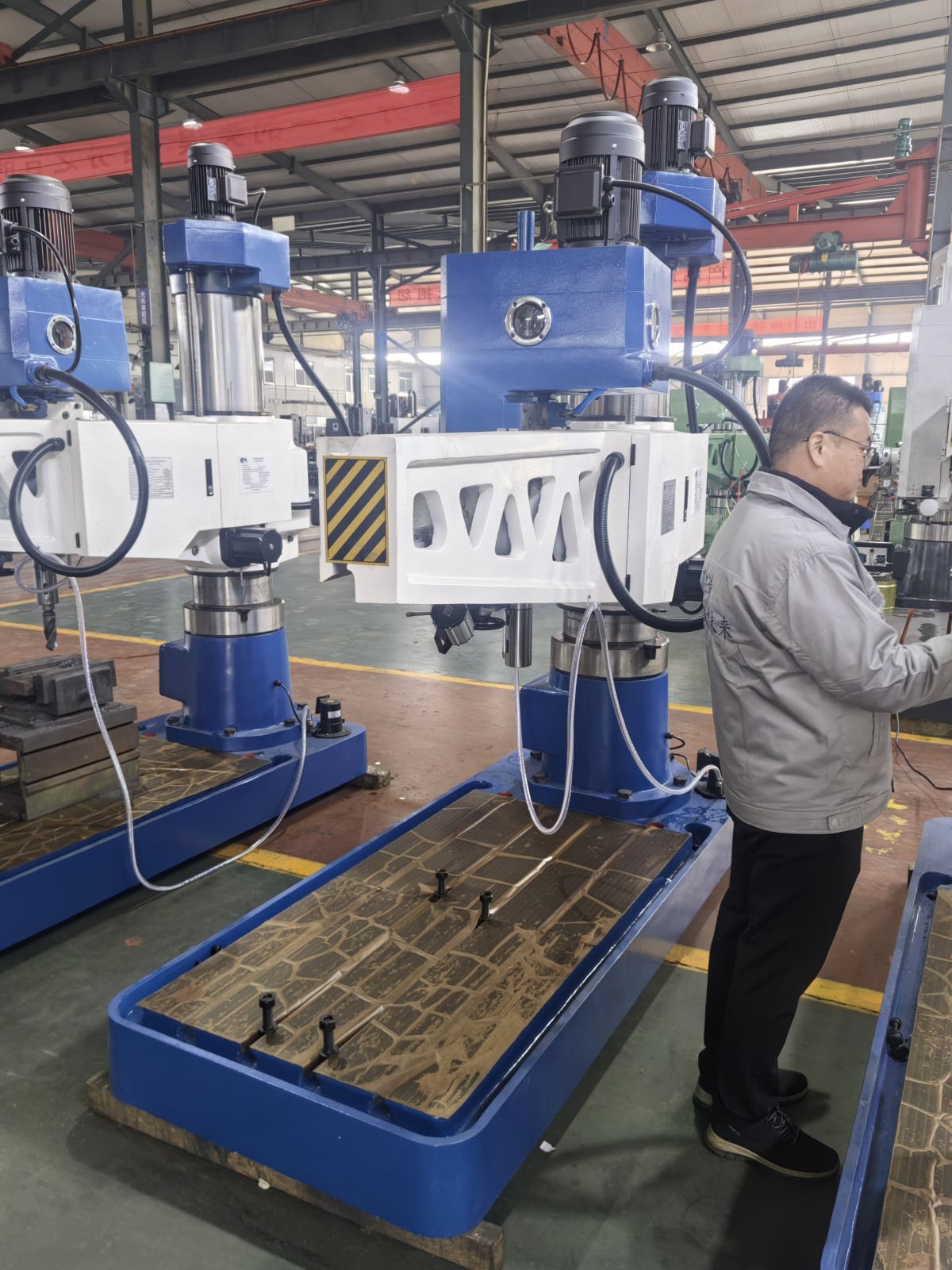
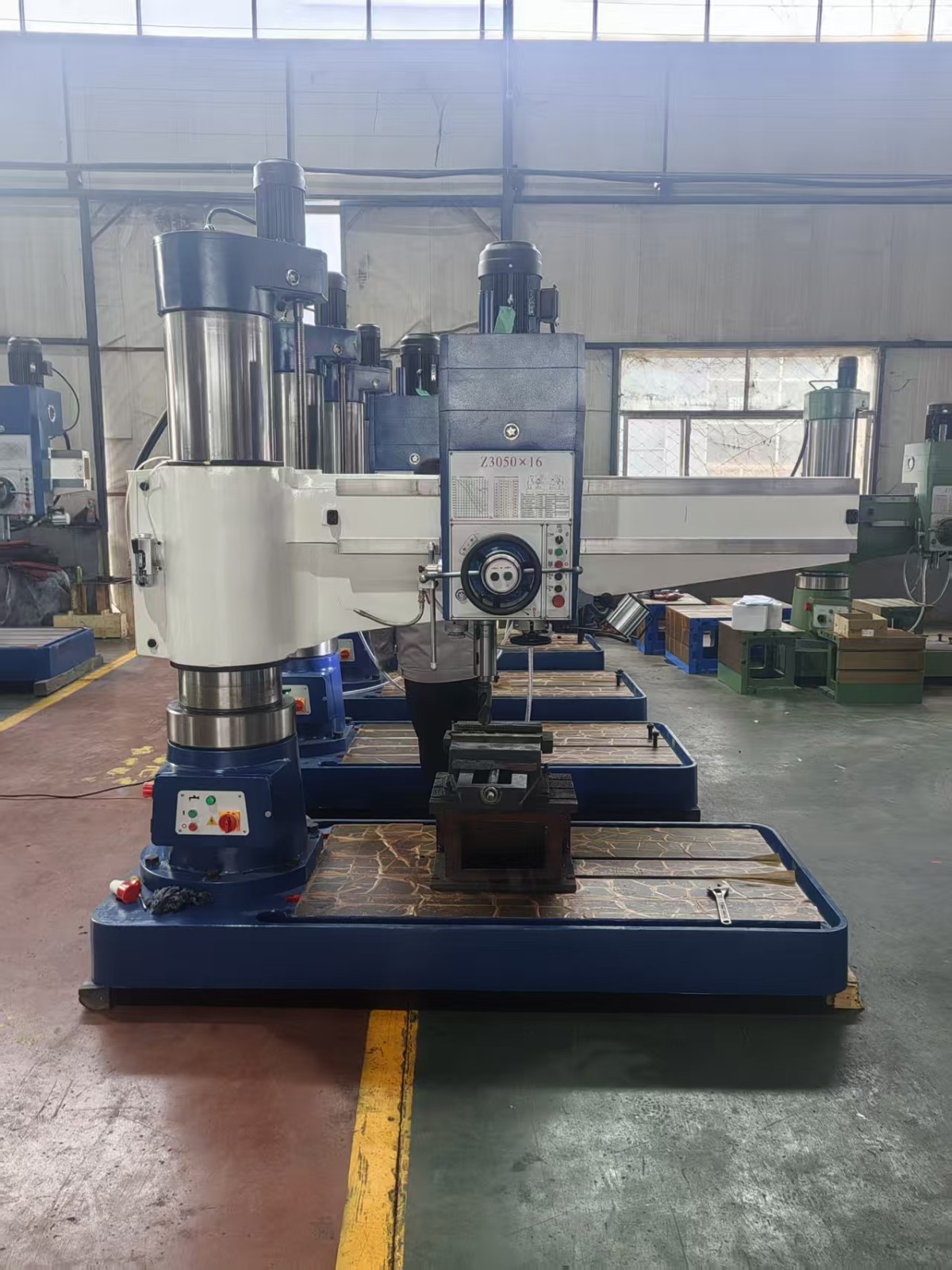
For project managers, drilling equipment decisions rarely affect only one process.
They influence setup time, labor use, part accuracy, floor flow, and delivery risk.
That is why a Universal Radial drilling machine often becomes the better fit in mixed-production environments.
It is especially useful when workpieces are large, heavy, awkward, or difficult to reposition repeatedly.
In practical workshop planning, flexibility can be just as valuable as pure spindle power.
A Universal Radial drilling machine gives that flexibility by moving the spindle across the job.
This reduces unnecessary handling and helps teams keep dimensional consistency under real production pressure.
Why This Machine Solves a Different Problem
A standard drill press works well for smaller parts and repeatable hole patterns.
However, large fabricated structures create a different production challenge.
The issue is not only drilling capacity.
The bigger issue is how to reach multiple positions without lifting and re-clamping the part every time.
A Universal Radial drilling machine addresses this by combining arm rotation, arm travel, and spindle head movement.
That movement allows the tool to approach the workpiece from practical angles.
It also helps maintain setup stability for oversized plates, beams, housings, and welded assemblies.
From a cost-control perspective, fewer repositioning steps usually mean fewer opportunities for handling damage and alignment drift.
When a Universal Radial Drilling Machine Makes More Sense
The best fit appears when the part is harder to move than the tool.
That sounds simple, but it is a strong rule in equipment selection.
A Universal Radial drilling machine is usually the better choice in these situations:
- Large steel fabrications with multiple hole locations.
- Heavy castings that are expensive to reposition.
- Maintenance shops handling varied repair work.
- Low-to-medium batch production with changing part geometry.
- Jobs requiring angled or off-center drilling access.
- Workshop layouts where crane time is limited.
In these cases, the machine supports throughput by simplifying part access.
That can improve both scheduling confidence and operator efficiency.
Operational Benefits That Matter on Real Projects
Project teams usually evaluate equipment through delivery risk, not just technical features.
That is where a Universal Radial drilling machine shows practical value.
1. Less material handling
Moving a heavy workpiece takes time, labor, and lifting support.
Reducing those moves lowers bottlenecks around cranes, forklifts, and fixture stations.
2. Better flexibility for mixed jobs
A Universal Radial drilling machine supports different part sizes without constant process redesign.
This matters when the production schedule changes week by week.
3. More stable drilling accuracy
Repeated re-clamping increases the chance of cumulative position error.
Keeping the part fixed while moving the spindle helps maintain consistency.
4. Easier support for urgent rework
Project delays often come from field modifications or last-minute drawing updates.
The machine is well suited for corrective operations on assembled or semi-finished components.
How to Judge Fit Before Buying
Not every drilling task needs a Universal Radial drilling machine.
The investment makes sense when several decision factors point in the same direction.
- Check part dimensions and weight across your full job mix.
- Measure how often operators reposition workpieces during drilling.
- Review hole distribution, angles, and accessibility constraints.
- Calculate downtime caused by setup changes and handling queues.
- Estimate quality loss from alignment errors or unstable fixturing.
If these factors are recurring, a Universal Radial drilling machine is likely solving a bottleneck, not adding complexity.
That distinction matters because the wrong machine often looks cheaper only at the purchase stage.
Where It Fits Beside CNC Equipment
A Universal Radial drilling machine is not a replacement for every CNC process.
In many factories, the best result comes from matching each machine to a clear job type.
For example, steel plate processing with repeatable punching and marking demands a different solution.
In that situation, CNC Punching And Marking Machine For Steel Plates can be more efficient.
It is designed for steel tower industry applications and steel plate punching in other sectors.
Models such as YK-PP103, YK-PPR103, YK-PP104, and YK-PPR104 cover different plate sizes and force requirements.
Its CNC control supports servo-driven X and Y positioning, automatic die-station switching, and combined punching and marking.
It can also read CAD drawings and TEKLA lofting files, including NC1 format.
This comparison is important.
When the job is fixed-format plate processing, dedicated CNC automation usually wins.
When the job involves oversized assemblies and flexible access, a Universal Radial drilling machine often wins instead.
Common Mistakes in Machine Selection
Selection errors usually come from focusing too narrowly on spindle data or initial price.
A better evaluation includes workflow, labor, and changeover behavior.
- Choosing a small drill solution for very large parts.
- Ignoring crane dependency and fixture turnover time.
- Underestimating urgent rework and one-off modifications.
- Comparing manual flexibility against automated speed without separating job types.
- Overlooking future product mix expansion.
These mistakes often lead to hidden costs after installation.
The more varied the production environment becomes, the more visible those costs get.
Choosing a Supplier That Supports Long-Term Use
Machine performance matters, but supplier capability matters just as much.
Wuxi Armada International Trade Co., Ltd has focused on mechanical equipment since 2012.
The company supplies drilling-related and fabrication equipment to customers in Southeast Asia, Europe, the Americas, and Oceania.
Its product range covers welding equipment, CNC cutting systems, milling machines, lathes, laser cutting machines, and sheet metal equipment.
Production and design are organized under ISO9001 quality system requirements and EU CE standards.
That background is useful when a project requires both equipment matching and practical solution design.
Final Decision Points
A Universal Radial drilling machine is the better fit when flexibility creates measurable production value.
That value usually appears through less handling, easier access, steadier accuracy, and faster response to change.
If your operation handles large parts, mixed batches, or difficult drilling positions, the case becomes stronger.
The smartest decision is not the most automated option in every case.
It is the machine that fits the real workflow, protects delivery schedules, and stays useful as job demands change.
Review your current bottlenecks, compare part-handling costs, and map drilling access needs first. That process will quickly show whether a Universal Radial drilling machine is the right move.