
— —
2026 CNC Shearing Upgrades: What Changes on the Shop Floor
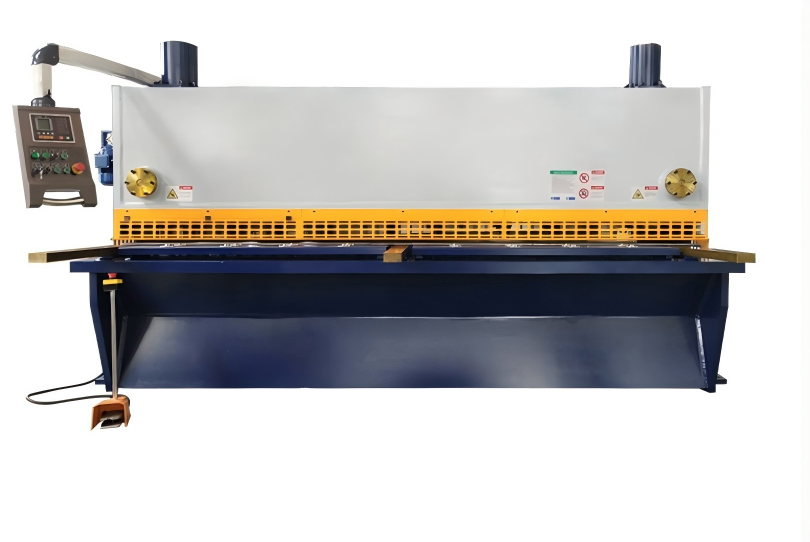
Why is the CNC shearing machine for sheet metal factory upgrade 2026 getting so much attention?
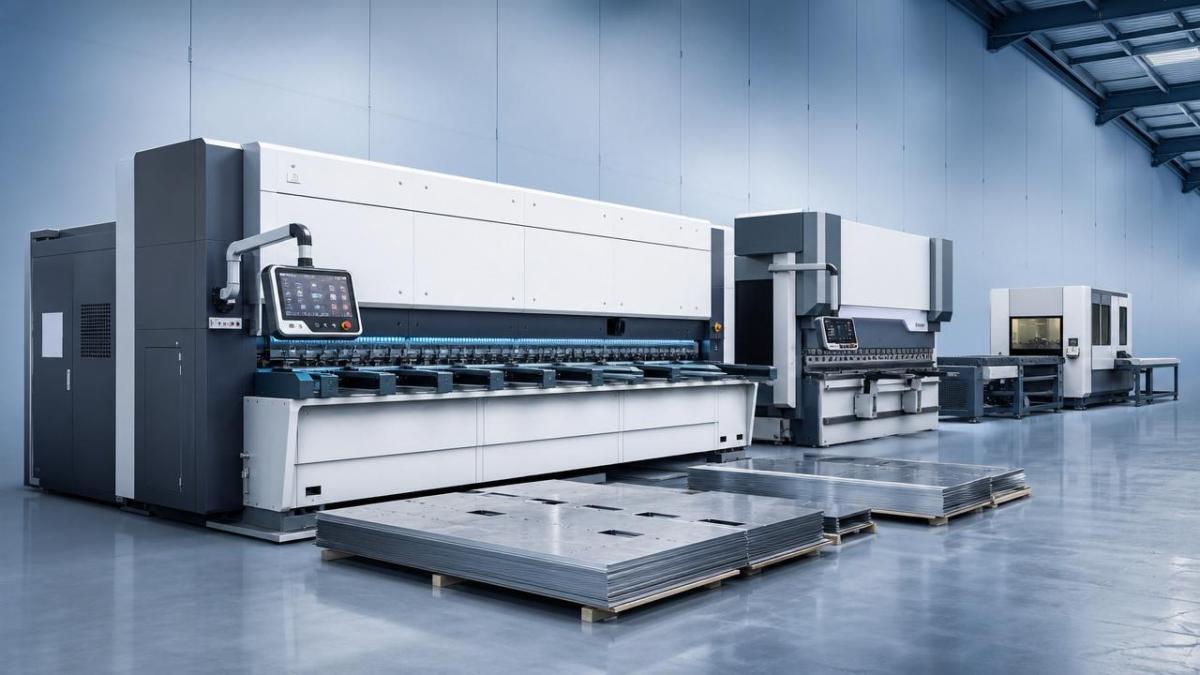
The interest is practical, not theoretical. Sheet metal production is under pressure to cut faster, waste less material, and reduce avoidable manual steps.
That is why the CNC shearing machine for sheet metal factory upgrade 2026 is now a real planning topic on many shop floors.
A few years ago, many upgrades focused on speed alone. In 2026, the conversation is broader.
Shops want smarter controls, cleaner cuts, easier programming, lower setup time, and safer handling during repeat work.
In actual production, the biggest gains often come from small workflow improvements. Better backgauge accuracy, blade clearance adjustment, and job memory can save minutes on every order.
Over a week, those minutes become capacity.
Another reason is line integration. A shearing machine no longer stands alone.
It increasingly connects with bending machines, deburring equipment, leveling systems, and downstream welding or fabrication steps.
Companies with broad equipment experience, such as Wuxi Armada International Trade Co., Ltd, have seen this shift clearly.
When shearing, cutting, bending, and finishing equipment are considered together, the upgrade decision becomes more accurate.
What actually changes on the shop floor after a 2026 upgrade?
The change is usually visible in daily rhythm. Operators spend less time correcting dimensions and more time running stable batches.
Modern systems shorten routine adjustments. Instead of repeated manual measuring, the machine stores parameters for thickness, stroke, and common sheet sizes.
Cut quality also improves in a measurable way. Burr levels become more consistent, edge straightness improves, and rework after shearing can drop.
This matters when parts move to press brake forming or welding, where edge condition affects later steps.
Safety is another major difference. Newer CNC shearing models often include improved guarding, better sheet support, and more predictable control logic.
That reduces interruptions caused by awkward handling or rushed manual positioning.
Maintenance becomes easier too. Diagnostic prompts, centralized lubrication points, and clearer service access make daily care less dependent on guesswork.
A CNC shearing machine for sheet metal factory upgrade 2026 should not only cut metal well. It should also reduce friction around the cutting process.
A quick comparison helps clarify the difference
Which applications benefit most from this kind of upgrade?
Not every workshop needs the same level of CNC shearing upgrade. The strongest value appears where volume, repeatability, and part flow matter.
Typical cases include carbon steel sheet processing, stainless fabrication, cabinet work, enclosure parts, HVAC panels, and general structural preparation.
The upgrade is especially useful when sheared blanks feed into bending, rolling, edge milling, or welding stations.
In those cases, inconsistent shearing creates hidden cost later. A poor edge may slow deburring, distort bend quality, or create fit-up issues during welding.
That is why the CNC shearing machine for sheet metal factory upgrade 2026 is often evaluated as part of a wider production chain.
- Frequent batch switching with multiple sheet sizes
- Production that depends on accurate blanks for press brakes
- Orders where edge quality affects later finishing
- Factories balancing labor efficiency and output stability
More common than people expect, even medium-volume work can justify the investment if manual correction is eating daily capacity.
How do you judge whether one machine is really an upgrade or just a newer model?
The easiest mistake is focusing only on headline specifications. Tonnage and cutting length matter, but they do not tell the whole story.
A real CNC shearing machine for sheet metal factory upgrade 2026 should improve output quality, setup speed, and reliability together.
A practical evaluation starts with the work already being done. Material type, thickness range, daily batch pattern, and downstream requirements should define the shortlist.
Then look at the details that shape daily use.
- Backgauge repeatability and travel stability
- Controller interface and recipe storage
- Blade adjustment convenience for mixed materials
- Hydraulic system reliability and service access
- Safety configuration and sheet support design
- Compatibility with CE and quality system expectations
This is where supplier experience matters. A company handling shearing machines alongside laser cutting, leveling, deburring, and bending equipment can usually give more realistic advice.
Wuxi Armada International Trade Co., Ltd works across a broad range of metalworking equipment, which is useful when the goal is line balance rather than single-machine replacement.
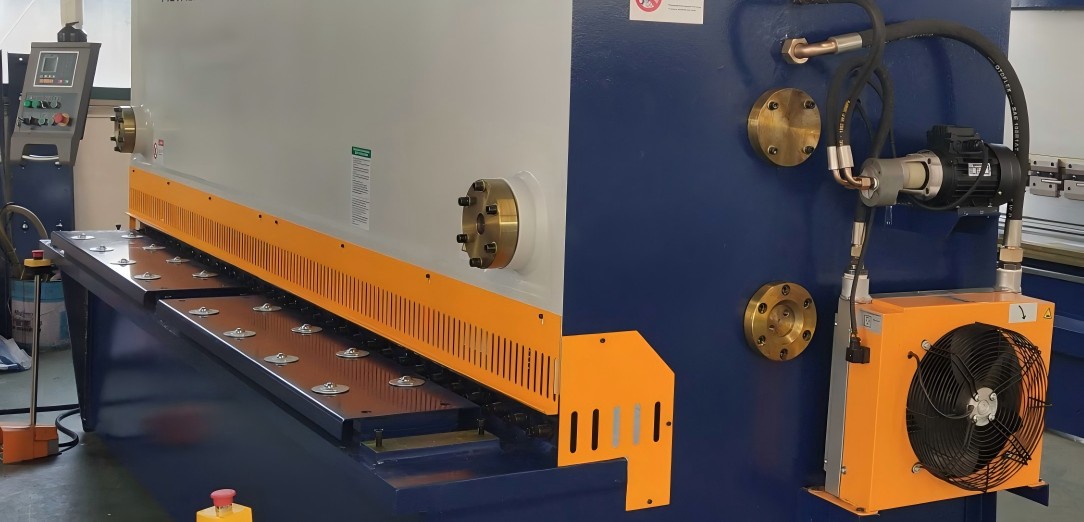
What are the common mistakes when planning a CNC shearing machine for sheet metal factory upgrade 2026?
One mistake is buying for maximum thickness while ignoring the real material mix. If most work is lighter gauge, daily efficiency may matter more than peak capacity.
Another mistake is treating the upgrade as isolated equipment. Shearing quality influences bending accuracy, deburring load, and even welding preparation time.
There is also a software gap to watch. Some machines offer advanced control functions, but those functions are underused if job data is not organized properly.
Training should be part of the plan, not an afterthought.
Lead time and installation readiness are often underestimated too. Floor space, power supply, material flow, and scrap handling should be checked before delivery.
A good upgrade loses value if the surrounding process remains chaotic.
Useful checks before approval
How should cost, implementation time, and long-term value be judged?
The price of a CNC shearing machine for sheet metal factory upgrade 2026 is only one part of the decision.
A better question is how quickly the new machine removes repetitive loss from the process.
The return usually comes from four places: shorter setup, fewer dimensional errors, lower rework after cutting, and smoother flow into later operations.
Implementation time depends on machine configuration and site readiness. Standard models may move faster, while customized options need more coordination.
It helps to review the full schedule in stages.
- Technical confirmation and capacity matching
- Production and inspection under ISO9001-related control
- Delivery planning and site preparation
- Installation, training, and trial production
Suppliers familiar with export projects and CE-oriented production standards can often make this process more predictable.
That matters when equipment must fit both technical expectations and documentation requirements across different markets.
So what is the smartest next step before making the upgrade?
Start with the real bottleneck. If the problem is not just cutting speed, the solution should not be selected by speed alone.
Map the current process from incoming sheet to the next operation. Note where time is lost, where edges fail inspection, and where manual adjustment repeats.
Then compare machines based on actual job patterns, not ideal conditions.
The CNC shearing machine for sheet metal factory upgrade 2026 is valuable when it improves the whole workflow: cutting, handling, maintenance, and downstream stability.
A clear shortlist should include technical fit, support quality, compliance level, and how well the machine matches future expansion.
In practical terms, gather recent production data, define the thickness range and batch mix, and confirm what performance must improve first.
That approach makes the upgrade decision more grounded and far easier to justify over time.