
— —
Hydraulic Guillotine Shearing Machine Price 2026 by Capacity
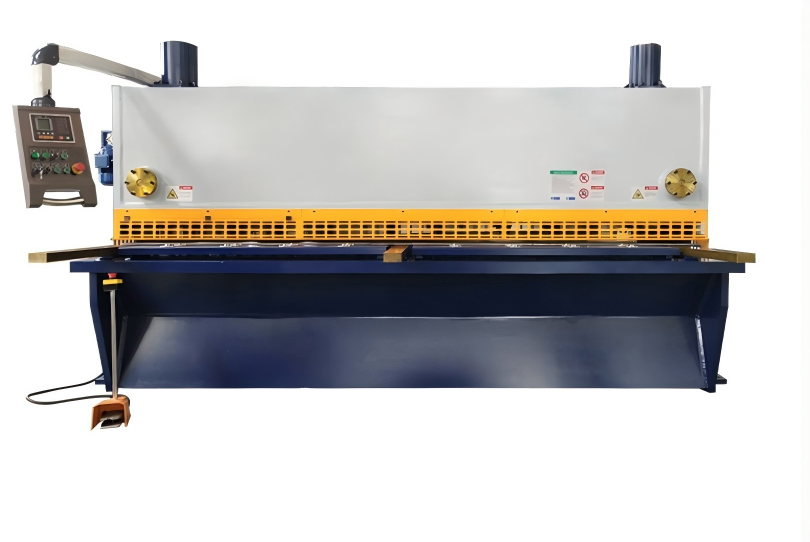
Hydraulic Guillotine Shearing Machine Price 2026: what is changing, and why does capacity matter so much?
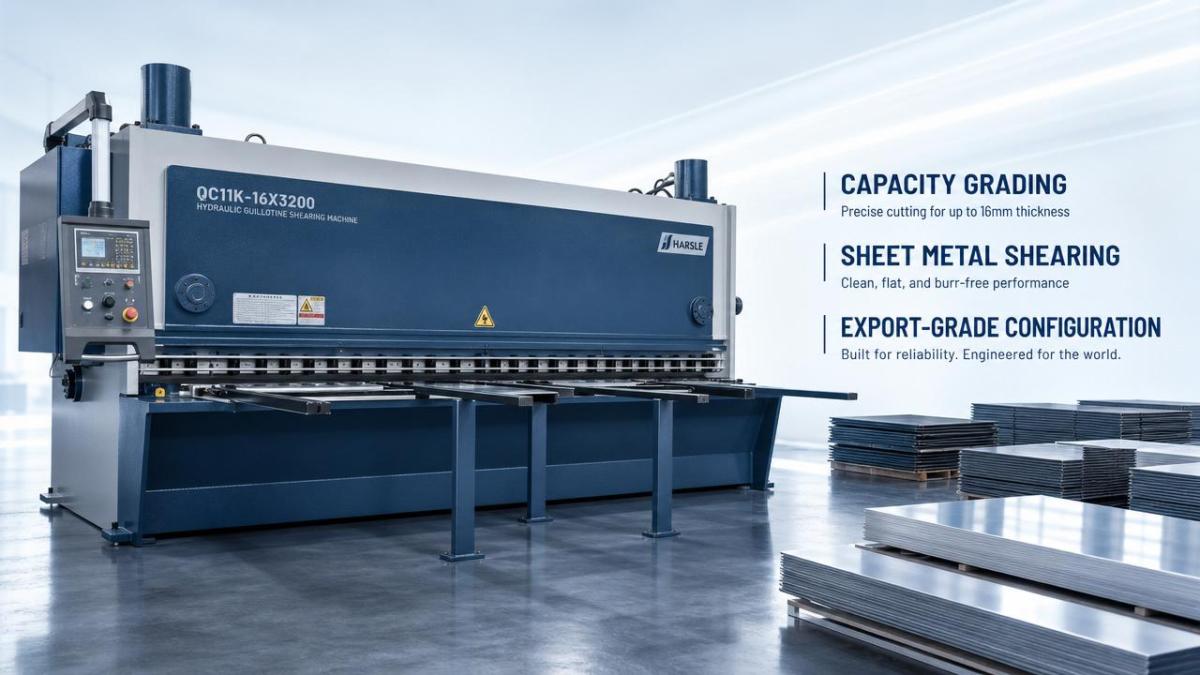
Planning a 2026 equipment line or supply strategy often starts with one practical question: how much should a hydraulic guillotine shearing machine really cost?
The short answer is that capacity still drives the biggest share of the final number, but it is no longer the only factor.
In the hydraulic guillotine shearing machine price 2026 market, buyers are comparing not only thickness and length, but also controls, blade life, safety level, and export readiness.
That shift matters because a low headline price can become expensive after freight, commissioning, spare parts, or certification upgrades.
A more useful approach is to read price through application range. Mild steel thickness, stainless cutting demand, daily output, and expected resale value all shape the real budget.
In actual sourcing work, 2026 pricing is also influenced by hydraulic component brands, CNC backgauge options, motor efficiency, and whether the machine follows ISO9001 and CE-oriented production standards.
This is where experienced exporters tend to stand out. Wuxi Armada, based in Wuxi near Shanghai, has supplied metalworking equipment to multiple overseas markets, so pricing discussions usually include practical delivery and compliance details.
What price range should be expected by capacity in 2026?
Capacity-based pricing is still the fastest way to build an initial benchmark. It helps narrow choices before reviewing detailed configuration lists.
The ranges below are reference points for export-oriented machines. Final quotations can move with electrical standards, tool sets, freight terms, and optional automation.
These figures answer the basic hydraulic guillotine shearing machine price 2026 question, but they should not be treated as universal market truth.
A 6×3200 mm machine with a simple NC system can cost far less than a similar frame fitted with upgraded backgauge, higher-end hydraulics, and better front support.
Why do two machines with the same capacity show very different prices?
This is one of the most searched questions, and for good reason. Capacity tells only part of the story.
A realistic hydraulic guillotine shearing machine price 2026 comparison should review at least six cost drivers.
- Frame structure and machine weight. Heavier, better-stabilized bodies usually cost more but cut more consistently.
- Hydraulic and electrical brands. Imported valves, seals, and motor components raise price but often improve reliability.
- Control system level. Manual adjustment is cheaper than NC, and CNC adds another price layer.
- Blade quality and adjustment system. Longer blade life reduces future operating cost.
- Safety and certification. CE-oriented guarding, electrical layout, and documents affect export pricing.
- Packing, commissioning, and spare support. These are often ignored in early quote comparisons.
More simply, two machines may share the same nominal thickness, yet differ sharply in production stability and service life.
That is why the lowest quote is not always the lowest long-term cost. In repeated-use applications, downtime and blade replacement can erase the initial savings.
Which capacities make the most sense for different sheet metal jobs?
The better question is not only “what is the hydraulic guillotine shearing machine price 2026,” but “which capacity avoids overbuying or underbuying?”
For thin sheet, especially below 4 mm, smaller machines often deliver the best balance between investment and throughput.
For regular carbon steel work around 6–8 mm, 3200 mm models remain a common and practical middle range.
When heavier plate enters the job mix, cutting force and machine rigidity become more important than simple table length.
A quick judgment guide can help.
In practice, the best selection comes from the thickest regular job, not the thickest rare job.
That decision usually keeps the hydraulic guillotine shearing machine price 2026 aligned with actual return instead of occasional demand.
What common pricing mistakes should be avoided before placing an order?
One common mistake is comparing only FOB machine price while ignoring freight dimensions, wooden packing level, and inland transport requirements.
Another is accepting rated capacity without confirming material standard. Stainless steel and high-tensile materials can reduce practical cutting ability.
It is also easy to overlook after-sales documents. Electrical diagrams, hydraulic schematics, manuals, and spare recommendations matter more than they seem.
Needless upgrades can be a problem too. Some projects pay for CNC features that never get used in daily cutting work.
A safer quote review checklist usually includes:
- Material type and maximum regular thickness
- Cutting length and production frequency
- Voltage, frequency, and local safety requirements
- Spare blades, seal kits, and lead time
- Installation support and document completeness
When these details are confirmed early, hydraulic guillotine shearing machine price 2026 comparisons become far more accurate and far less risky.
How can a reliable supplier be judged beyond the quotation sheet?
Price matters, but supplier depth often decides whether the machine performs well over the next five to ten years.
A useful sign is whether the supplier understands related production equipment, not only one single machine category.
Wuxi Armada is a relevant example because its product range covers shearing machines, bending machines, plate rolling machines, leveling lines, welding systems, CNC cutting equipment, and other fabrication machinery.
That broader background often improves technical matching. It helps when a shearing machine must fit into a larger metal processing workflow.
Another strong signal is export familiarity. Suppliers serving Southeast Asia, Europe, the Americas, and Oceania usually understand packing, documentation, and compliance expectations better.
ISO9001-based production control and CE-oriented design standards also deserve attention. They do not guarantee perfection, but they reduce uncertainty in sourcing decisions.
In other words, the hydraulic guillotine shearing machine price 2026 should be read together with technical clarity, export execution, and long-term support capability.
So what is the smartest next step when reviewing hydraulic guillotine shearing machine price 2026?
Start with actual cutting needs, then match them to a realistic capacity band. That alone removes many weak options.
After that, compare quotations line by line rather than headline by headline. Controls, hydraulics, blade quality, certification, and spare coverage should all be visible.
It also helps to prepare a short requirement sheet covering material type, thickness range, cutting length, voltage, preferred controller, and expected lead time.
This makes hydraulic guillotine shearing machine price 2026 discussions more precise and easier to evaluate across different suppliers.
If the machine will be part of a broader fabrication line, review compatibility with press brakes, deburring systems, rolling equipment, or welding processes before finalizing the order.
A careful comparison usually leads to better cost control, fewer commissioning surprises, and a machine that keeps its value longer.
For 2026 planning, the most practical move is simple: define the real workload, verify the configuration, and judge the supplier with the same care as the machine itself.