
— —
Best Materials and Workpieces for a Drilling and Milling Machine
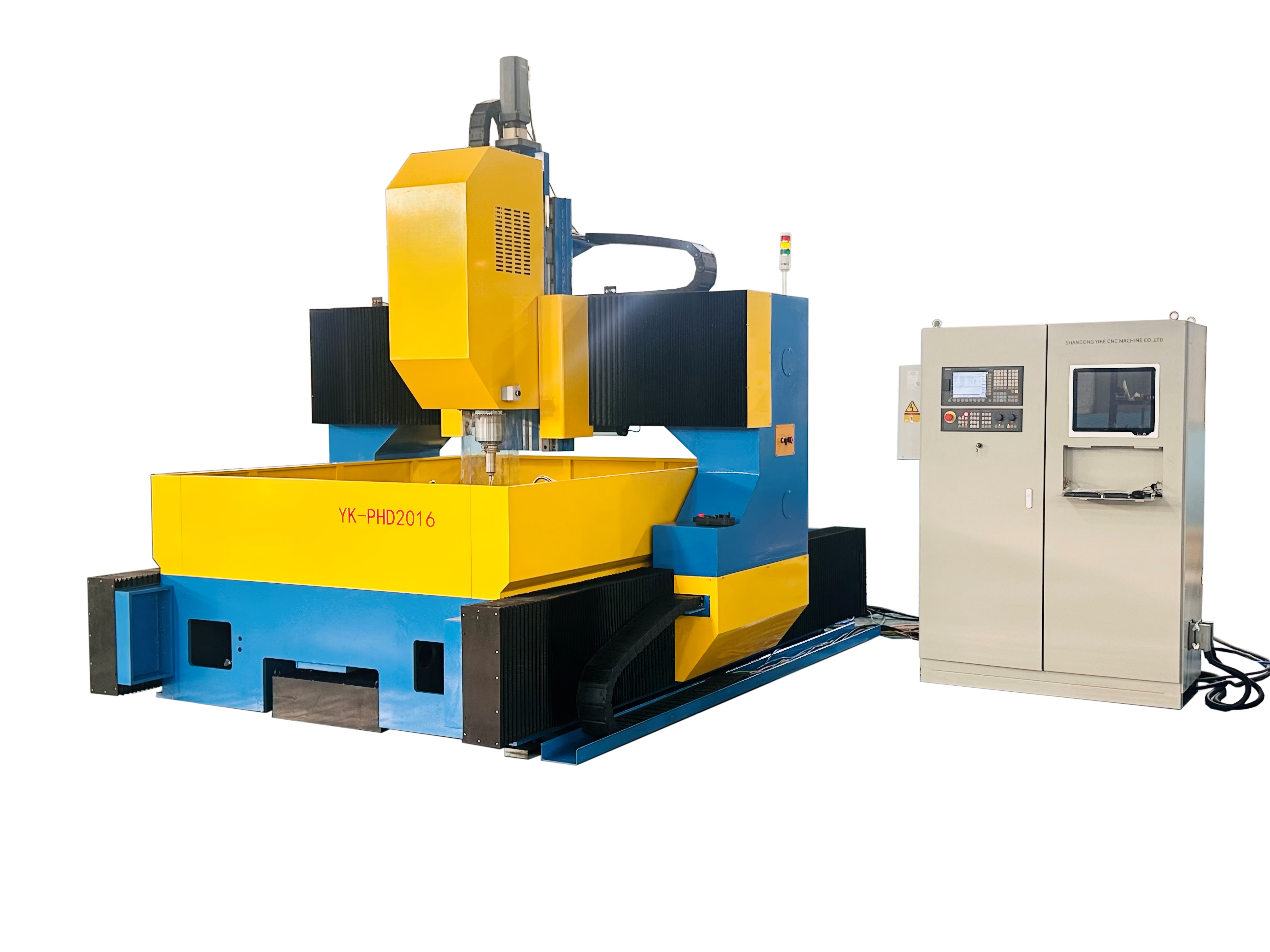
Why material choice changes drilling and milling results
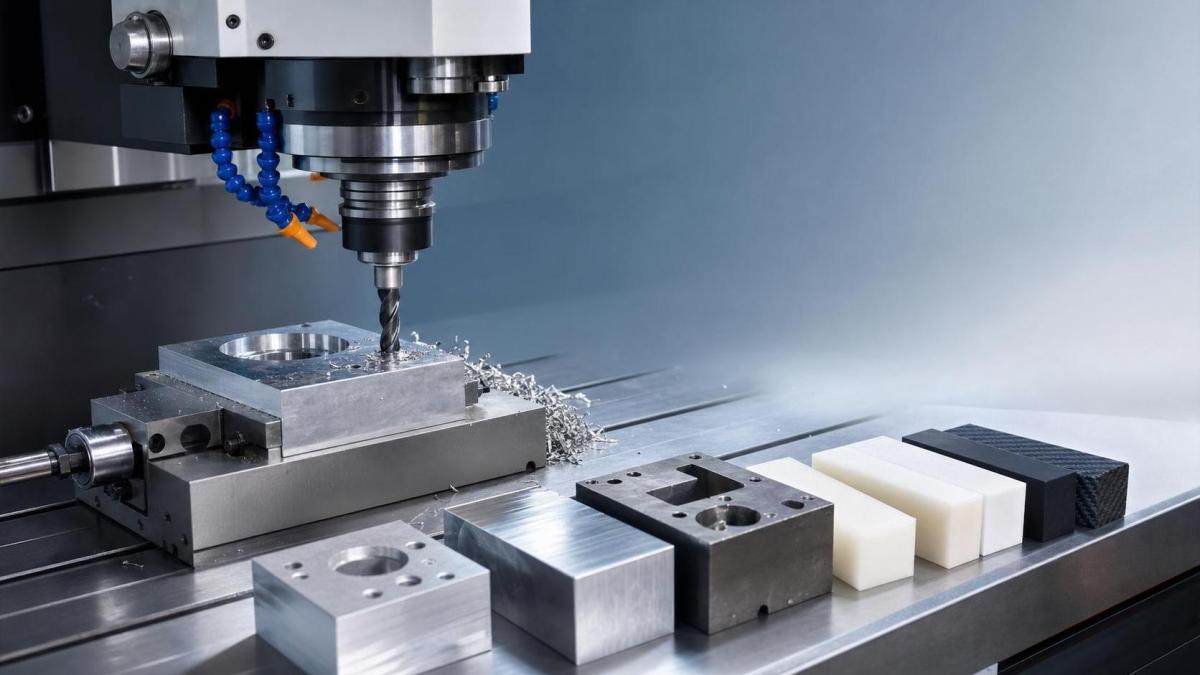
A drilling and milling machine performs well only when the workpiece matches the cutting method, spindle behavior, and finishing target.
That is why material selection is never just a tooling question. It directly affects tolerance control, burr formation, heat buildup, and cycle stability.
In real production, aluminum, carbon steel, stainless steel, plastics, and composites each respond differently during drilling and milling.
A workpiece that cuts quickly may still create edge tearing. A harder material may hold dimensions better but shorten tool life.
For operations linked to welding, sheet metal preparation, CNC machining, or secondary finishing, those differences become more visible.
Wuxi Armada International Trade Co., Ltd has worked across milling machines, CNC equipment, deburring systems, and forming machinery since 2012.
That broader equipment background matters because drilling and milling decisions rarely stand alone. They connect with later assembly, polishing, and inspection steps.
A practical way to choose the best materials for a drilling and milling machine is to judge the whole application, not only the raw stock.
Actual use starts with the job, not the material name
Two shops may both machine steel, yet require very different drilling and milling machine settings.
One may rough mill structural brackets with generous tolerances. Another may drill thin parts where hole position and surface finish are more critical.
The same logic applies to aluminum. Soft alloys often look easy, but they can stick to tools and damage finish quality.
A better judgment method is to confirm five factors before choosing the workpiece route for a drilling and milling machine.
- Part geometry, especially thin walls, deep holes, pockets, and interrupted surfaces.
- Tolerance and surface requirements after drilling and milling.
- Heat sensitivity, chip behavior, and burr risk.
- Batch size and expected cycle consistency.
- What happens next, including welding, coating, deburring, or polishing.
Once those conditions are clear, material suitability becomes easier to judge and less dependent on assumptions.
Where aluminum works best on a drilling and milling machine
Aluminum is one of the most suitable workpieces for a drilling and milling machine when speed and productivity matter.
It is common in housings, radiators, fixtures, lightweight frames, and die-cast components.
In these applications, the main advantage is fast cutting with relatively low spindle load.
However, aluminum is not automatically forgiving. Soft grades can create built-up edge and leave smeared surfaces around drilled holes.
This becomes more obvious in thin-walled parts or pieces with multiple intersecting holes.
A useful adaptation is sharp tooling, controlled lubrication, and chip evacuation that prevents recutting.
When the part later needs bright surfaces or burr removal in corners and inner holes, post-machining finishing should be considered early.
For irregular aluminum die-castings or small precision hardware, Customized Magnetic polishing machine can fit naturally after machining.
That is especially relevant when blind areas, gaps, threads, and right angles remain difficult to finish by manual methods.
Steel workpieces demand a different judgment standard
Carbon steel is often the default material for a drilling and milling machine in brackets, frames, machine bases, and structural parts.
It offers a balanced combination of strength, machinability, and predictable chip formation.
For general fabrication and medium-volume production, carbon steel is usually one of the safest workpiece choices.
The judgment changes with stainless steel or hardened grades. These materials raise cutting force, heat concentration, and tool wear.
In practical terms, a drilling and milling machine must hold rigidity more consistently when machining these workpieces.
Feed balance becomes important because rubbing damages both finish and tool life.
This is why stainless workpieces are often judged by thermal control and vibration resistance rather than by hardness alone.
If the part later enters medical, transport, or export-oriented production, stable quality control matters as much as cutting speed.
That aligns with equipment systems built around ISO9001 and CE-oriented production discipline, where repeatability is a daily requirement.
Plastics and composites need more restraint than force
A drilling and milling machine can also process engineering plastics and composite workpieces well, but the decision logic changes again.
In plastics, excessive heat causes melting, edge rollover, and dimensional drift.
In composites, the bigger risk is delamination, fiber pull-out, and uneven hole edges.
These materials often appear in electrical housings, communication parts, lightweight assemblies, and specialized industrial components.
The common mistake is to apply metal-cutting habits without changing speed, support, or clamping strategy.
More useful practice is to reduce thermal loading, support the workpiece fully, and protect the entry and exit side of the cut.
For a drilling and milling machine, good results with plastics and composites come from control, not aggression.
Different applications change what “best material” really means
The best workpiece for a drilling and milling machine depends on what the part must achieve after machining.
That difference becomes clearer when applications are compared side by side.
This is why similar-looking workpieces can still require different machining plans on the same drilling and milling machine.
The finishing step often changes the material decision
Many material decisions fail because they are made before considering deburring, cleaning, and surface refinement.
A workpiece may machine quickly, yet become costly when burrs collect inside threads, slots, and recessed areas.
This is common in precision stamping parts, springs, CNC automatic lathe parts, zinc alloy pieces, and small aluminum castings.
In such cases, a secondary process with forward and reverse translation, 0-60HZ speed adjustment, and batch separation can reduce manual rework.
That is where the second use of Customized Magnetic polishing machine makes sense within the line.
Its application is not limited to polishing appearance. It is more useful when internal holes, gaps, right angles, and threads need consistent finishing.
For drilling and milling machine planning, this affects which material is truly practical across the full process route.
Misjudgments that create avoidable machining problems
One common error is choosing materials only by catalog machinability and ignoring part geometry.
Another is treating similar alloys as interchangeable, even when burr behavior and thermal response differ during drilling and milling.
Some decisions focus only on machine purchase cost, while overlooking tool replacement, coolant management, and finishing labor.
There is also a recurring mistake in export-oriented production: standards are checked at delivery, not during process setup.
For a drilling and milling machine, that delay usually shows up later as unstable dimensions or inconsistent surface quality.
- Check fixture rigidity before judging difficult materials.
- Review burr removal needs before confirming the workpiece route.
- Match spindle capacity with actual hole depth and cutter engagement.
- Confirm whether later coating, welding, or polishing changes surface requirements.
A practical way to decide before production starts
The best materials and workpieces for a drilling and milling machine are the ones that stay stable across machining and downstream handling.
Aluminum often suits high-speed, lightweight parts. Carbon steel remains a dependable choice for balanced machining and structure.
Stainless steel fits demanding environments, but only with stronger process control. Plastics and composites need careful thermal and support management.
Before confirming a drilling and milling machine setup, compare material behavior, finishing needs, tolerance targets, and batch conditions together.
That review usually reveals the better workpiece option faster than relying on generic material rankings.
A useful next step is to sort parts by geometry, post-processing demand, and quality risk, then test the drilling and milling route under real production conditions.