
— —
Buying a Drilling Machine in India: Price Factors, Local Support, and Import Options
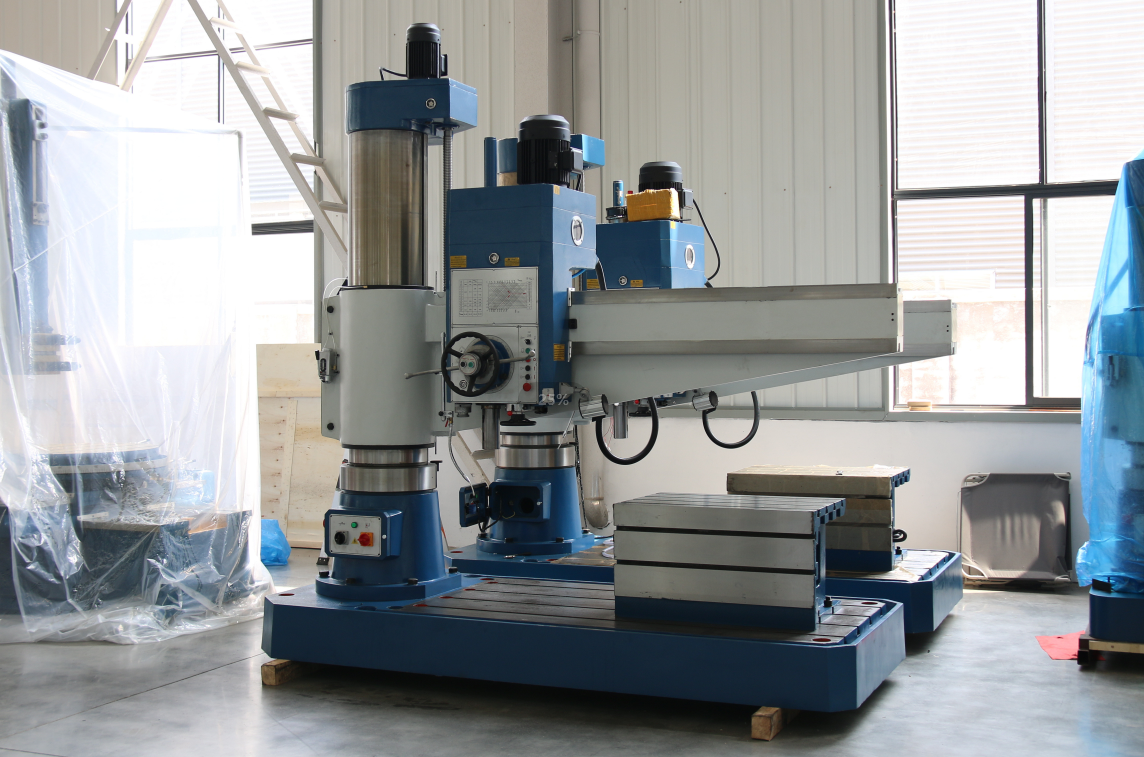
Buying a drilling machine in India is rarely a simple price comparison. The real decision sits at the intersection of output targets, material range, local service strength, spare parts access, and the long-term economics of domestic purchase versus import.
For metalworking businesses, a drilling machine often supports repeatable fabrication, maintenance, hole preparation, fixture work, and downstream assembly. A poor match creates idle time, tolerance problems, and avoidable repair costs. A well-matched machine supports production stability for years.
What the market is really buying
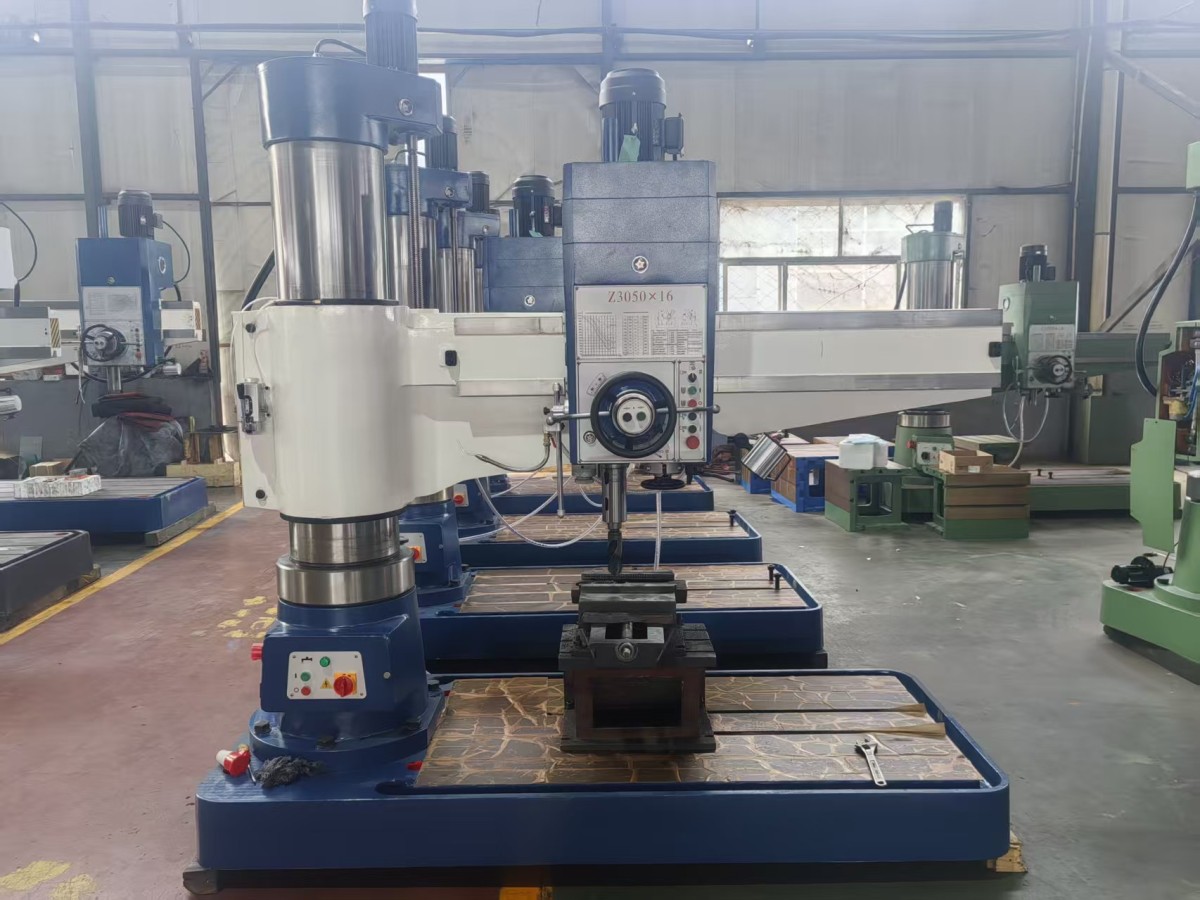
The phrase drilling machine in India covers a broad equipment range. It may refer to bench drilling machines, pillar drills, radial drilling machines, CNC drilling systems, or multi-function fabrication units used in larger production lines.
That matters because pricing only makes sense after the machine category is defined. A workshop buying for light plate work faces a very different decision from a plant drilling thick structural sections or high-volume precision components.
In practice, the best purchase starts with the workpiece. Diameter range, material grade, batch size, tolerance expectations, and operator skill all shape the right equipment level.
Why price differences can be wide
The quoted cost of a drilling machine in India can vary sharply even within the same machine class. Two machines may look similar in photos yet perform very differently on the shop floor.
Key cost drivers
- Spindle power and torque reserve for harder materials.
- Drilling capacity, throat depth, table size, and column rigidity.
- Manual, semi-automatic, or CNC control level.
- Feed system quality and achievable repeatability.
- Brand of bearings, motors, electrical parts, and control components.
- Safety configuration, coolant system, and chip removal support.
- Compliance, test procedures, and documentation quality.
More worth watching is hidden cost. Installation, tooling, freight, duty, training, power adaptation, and delayed spares can outweigh an initially cheaper quotation.
A practical comparison view
Local support often decides total ownership cost
A drilling machine in India is usually judged by purchase price first. On the production side, however, after-sales support often decides whether the investment remains productive under real working conditions.
Downtime from a failed contactor, feed issue, spindle noise, or alignment problem can block multiple operations. When service access is weak, a modest technical issue becomes a scheduling problem, then a delivery problem.
Local support should be evaluated in concrete terms. Ask how many service technicians are available, where spare parts are stocked, how warranty claims are handled, and whether troubleshooting can begin remotely within hours rather than days.
This is where experienced export suppliers can still be competitive. Wuxi Armada International Trade Co., Ltd, established in 2012, supplies a wide portfolio of fabrication and machine tool equipment, with products reaching Asia, Europe, the Americas, and Oceania under ISO9001-oriented production control and EU CE-aligned standards.
That broader equipment background matters because drilling is rarely isolated. It often sits beside cutting, milling, welding, bending, and structural line operations, so a supplier that understands process continuity can usually advise more accurately.
Local sourcing or importing
For many buyers, the central question is whether to source a drilling machine in India locally or import from an overseas manufacturer or trading company. Neither route is automatically better. The fit depends on timeline, technical need, and expected equipment life.
When local purchase makes sense
- Urgent delivery is more important than exact customization.
- Standard drilling work covers common diameters and materials.
- On-site service response is a top priority.
- The project budget favors low upfront exposure.
When import deserves attention
- A custom specification is required.
- The machine must match a wider production line.
- A stronger build or more advanced control package is needed.
- Long-term performance matters more than the first invoice.
Imported equipment should be judged on landed cost, not factory price alone. Freight, customs duty, GST implications, inland transport, installation support, and future spare shipments all belong in the comparison.
How drilling fits broader fabrication lines
In fabrication plants, drilling quality affects much more than hole making. It influences fit-up accuracy, welding preparation, assembly speed, and rework rates across connected processes.
For example, structural or heavy component work often combines drilling with turning, edge preparation, welding, and positioning. In such workflows, related handling equipment can improve consistency.
A useful reference is Welding positioner equipment used alongside fabrication stations. Models from 100 kg to 20,000 kg capacity, with 360 degree rotation by VFD control and 0 to 90 degree or 120 degree tilting, support better workpiece access and steadier weld preparation.
That does not replace a drilling machine in India, but it shows how machine selection should follow the real production chain. A hole made accurately but placed into a weak handling workflow still creates inefficiency.
Questions that sharpen the buying decision
A strong buying process usually depends on the quality of internal questions. Before requesting final quotations, it helps to define the operating envelope with more precision.
- What is the largest hole size drilled repeatedly, not occasionally?
- Which materials dominate: mild steel, stainless steel, cast iron, or alloy grades?
- Is the machine for maintenance work or daily production?
- How important are accuracy records and process repeatability?
- Can operators handle a more advanced control interface?
- What downtime cost applies if the machine stops for three days?
These answers narrow the shortlist quickly. They also make supplier proposals easier to compare on substance rather than sales language.
A disciplined way to compare offers
When evaluating a drilling machine in India, a useful approach is to score each offer across technical fit, service access, operating cost, and supply reliability. This avoids overvaluing a low first price.
Request detailed specifications, motor brands, electrical layouts, standard accessories, excluded items, and recommended spare lists. Clarify lead time at each stage, including dispatch, customs, and commissioning.
If importing, confirm voltage, frequency, language of manuals, and remote support method. The same discipline applies to related systems such as a Welding positioner, where control method, rotation range, and parts quality directly affect daily usability.
A good decision usually becomes clear after the total use case is mapped. The most suitable drilling machine in India is the one that keeps production predictable, serviceable, and cost-efficient over its working life, not simply the one with the lowest quote. The next step is to convert production needs into a short technical checklist, then compare local and import options against that standard.