
— —
Common CNC Drilling Machine Accuracy Problems and How to Troubleshoot Them
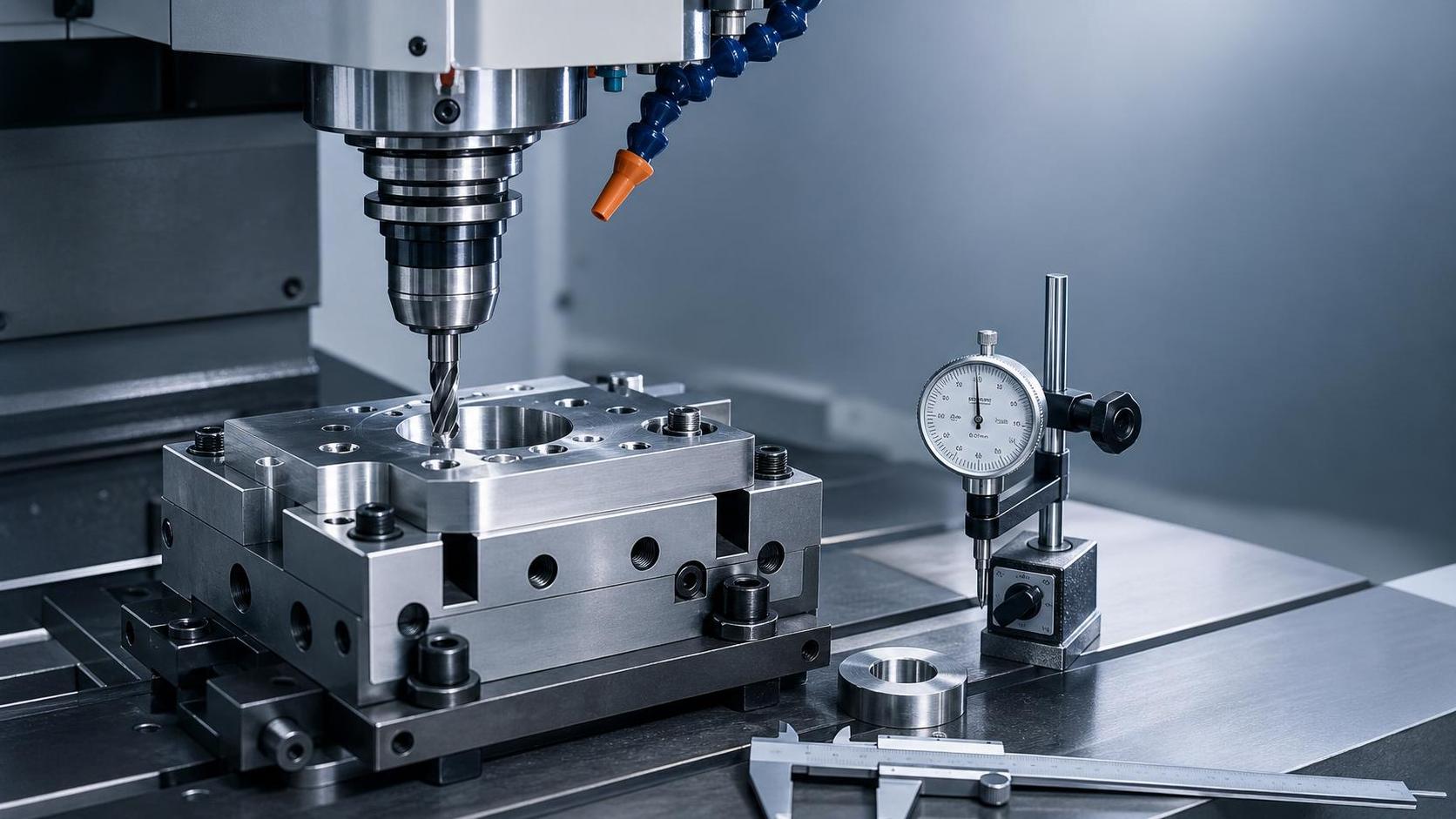
Common CNC Drilling Machine Accuracy Problems and How to Troubleshoot Them
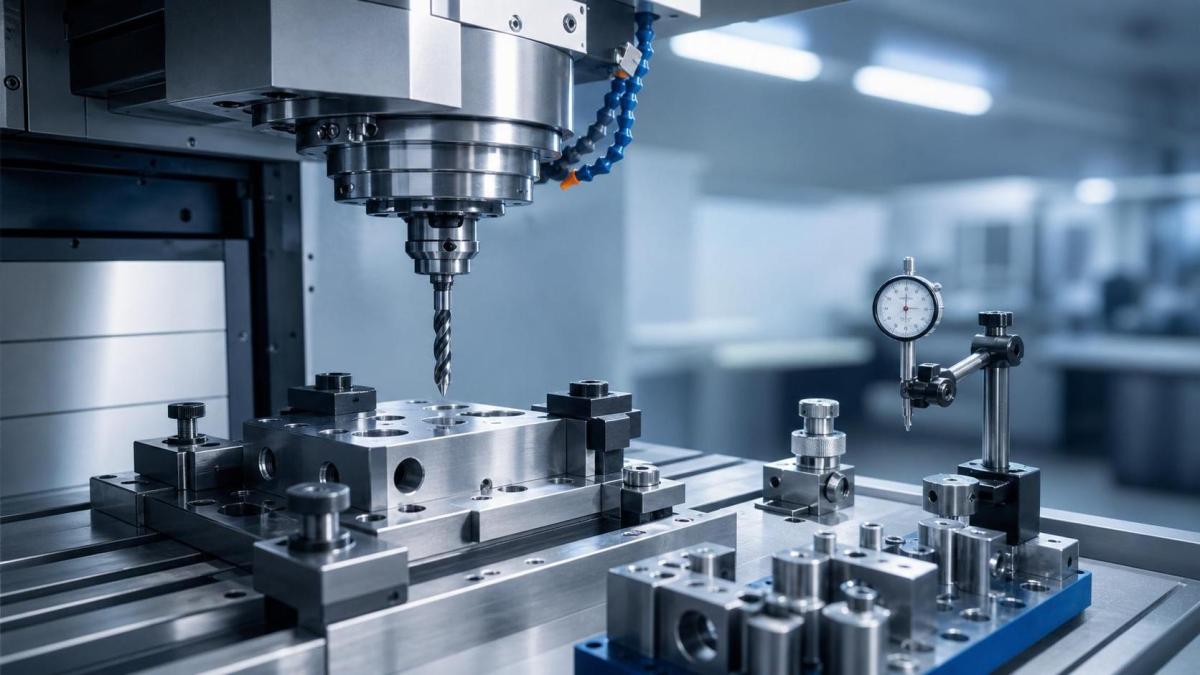
Even a high-quality CNC drilling machine can lose accuracy over time. The change is often gradual, but production losses appear fast once hole quality starts drifting.
Typical symptoms include off-position holes, oversized diameters, poor roundness, rough surfaces, and unstable repeatability. These problems affect part acceptance, assembly fit, and machine uptime.
In day-to-day service work, the fastest way to restore a CNC drilling machine is to separate mechanical, tooling, control, and process factors instead of guessing.
This guide focuses on practical checks, common root causes, and workable corrective actions. The goal is simple: reduce downtime and bring drilling accuracy back under control.
1. Hole Position Deviation
When a CNC drilling machine places holes outside tolerance, the fault usually sits in backlash, clamping, datum setup, or axis feedback.
A useful first step is comparing the error pattern. Random deviation suggests movement or vibration. Consistent deviation points to calibration or offset issues.
Main causes
- Loose workholding or uneven clamping force
- Worn ball screws, linear guides, or coupling elements
- Axis backlash exceeding compensation range
- Incorrect work coordinate setting or probe calibration
- Servo encoder feedback instability
Troubleshooting steps
- Check fixture rigidity and confirm that the part cannot shift during drilling.
- Measure axis backlash with a dial indicator and compare both directions.
- Verify machine zero, work offsets, and tool length offsets.
- Run a positioning repeatability test on X, Y, and Z axes.
- Inspect servo alarms, encoder cables, and coupling wear.
If the CNC drilling machine shows larger error after long travel, guideway wear or thermal expansion may be contributing. That usually becomes more visible during extended shifts.
2. Hole Diameter Out of Tolerance
A CNC drilling machine can hit the correct position but still produce wrong hole size. This is one of the most common field complaints.
Oversized holes often come from tool runout, spindle wear, or weak clamping. Undersized holes are more often linked to tool wear or chip packing.
What to inspect first
- Drill wear, edge chipping, and coating damage
- Tool holder cleanliness and taper contact
- Spindle radial runout
- Coolant delivery and chip evacuation
- Feed and speed settings for the material
Do not overlook simple contamination. A small chip between tool holder and spindle taper can create measurable diameter error on a CNC drilling machine.
In practical service work, replacing the drill without checking spindle runout can hide the real fault for only a short time.
3. Poor Hole Roundness and Surface Finish
A noisy cut, rough wall finish, or triangular hole shape usually means the CNC drilling machine is suffering from vibration or unstable cutting conditions.
This also means the problem may involve the machine, the tool, and the process at the same time.
Common reasons
- Spindle bearing wear
- Insufficient machine rigidity
- Too much drill overhang
- Improper feed rate or cutting speed
- Inadequate coolant concentration or pressure
Try shortening tool projection first. That small adjustment often improves finish immediately, especially on deep-hole work or hard materials.
If vibration remains, check spindle bearings under load rather than at idle. Many CNC drilling machine vibration issues only appear during cutting.
4. Repeatability Problems During Batch Production
When the first parts are acceptable but later parts drift, repeatability is the real problem. This is where diagnosis must be systematic.
A CNC drilling machine may pass a static accuracy check while failing under heat, load, or cycle accumulation.
Likely root causes
- Thermal growth in spindle or axis assemblies
- Hydraulic or pneumatic clamping fluctuation
- Lubrication problems on moving parts
- Servo tuning drift or intermittent feedback loss
- Chip buildup affecting fixture contact surfaces
Track error across time, not just by part number. A trend tied to operating temperature is a strong signal of thermal influence.
At this stage, keeping maintenance records matters. Repeated patterns across service calls help isolate whether the CNC drilling machine problem is design-related or wear-related.
5. Spindle and Tooling Issues That Affect Accuracy
Many drilling defects are blamed on the machine, but tooling systems are often the faster fix. A CNC drilling machine depends on stable spindle-tool contact.
Focus on the full chain, including spindle taper, holder, collet, pull stud, and drill body.
Recommended checks
- Measure spindle taper runout with a certified test bar.
- Inspect holder wear patterns and contact marks.
- Confirm pull stud type matches the spindle standard.
- Replace damaged collets or sleeves immediately.
- Review drill geometry for the actual material being cut.
This is also where supplier quality matters. Stable machine components reduce service frequency and make fault finding more predictable.
Wuxi Armada International Trade Co., Ltd supplies metalworking equipment built under ISO9001 quality management and EU CE standards, covering CNC systems, fabrication lines, and related machinery.
6. Control System and Parameter Errors
Not every CNC drilling machine accuracy fault is mechanical. Wrong parameters can create very similar symptoms.
Recent service cases often show errors after maintenance, software updates, encoder replacement, or accidental parameter changes.
Areas to verify
- Pitch error compensation tables
- Backlash compensation values
- Servo gain and acceleration settings
- Tool offset libraries
- Probe calibration and macro logic
Always compare current parameters with a known good backup. That saves time and avoids changing several variables at once.
If no backup exists, record every change in sequence. A controlled rollback process is safer than trial-and-error tuning on a live CNC drilling machine.
7. A Practical Accuracy Troubleshooting Workflow
A repeatable method prevents missed causes and short-lived fixes. The workflow below works well for most CNC drilling machine service situations.
- Define the error clearly: position, diameter, finish, or repeatability.
- Review part material, program, cutting data, and tooling history.
- Check clamping condition and fixture reference surfaces.
- Measure spindle runout and axis backlash.
- Verify offsets, compensation, and key control parameters.
- Run a sample test after each single corrective action.
- Document the final cause and prevention method.
This structure keeps the troubleshooting process focused. It also improves service consistency across different CNC drilling machine models.
In related fabrication lines, stable feeding and rigid mechanical structure matter just as much. For example, YTJ-60B and YTJ-80B H beam straightening machine uses a compact, high-rigidity structure for continuous flange straightening with reliable feeding.
Models such as YTJ-60B, YTJ-80B, and YTJ-100B support flange thickness up to 60mm, 80mm, and 100mm, with high-pressure wheel force and abrasion-resistant components.
8. Preventive Maintenance to Keep Accuracy Stable
The best CNC drilling machine repair is the one that never becomes urgent. Preventive care has a direct effect on accuracy retention.
Useful preventive actions
- Clean spindle taper and tool holders every shift
- Check backlash and runout at planned intervals
- Maintain lubrication and coolant concentration
- Inspect clamps, locators, and fixture contact points
- Store and back up control parameters regularly
- Track recurring faults by machine, part type, and tool family
Accuracy problems rarely start as major failures. More often, a CNC drilling machine gives smaller warning signs first, such as noise, burr growth, or unstable dimensions.
Catching those signals early shortens repair time and protects both machining quality and customer confidence.
Conclusion
Most CNC drilling machine accuracy problems can be solved faster when diagnosis follows a clear sequence. Check the error type, isolate the source, verify with measurement, and confirm the result with test cuts.
Whether the issue comes from backlash, spindle runout, tooling, parameters, or thermal drift, disciplined troubleshooting usually restores stable performance without unnecessary part changes.
For long-term reliability, combine corrective action with preventive inspection. That approach keeps each CNC drilling machine more accurate, more consistent, and easier to support in real production.