
— —
High Speed Drilling Machine Selection: RPM, Feed Rate, and Material Compatibility
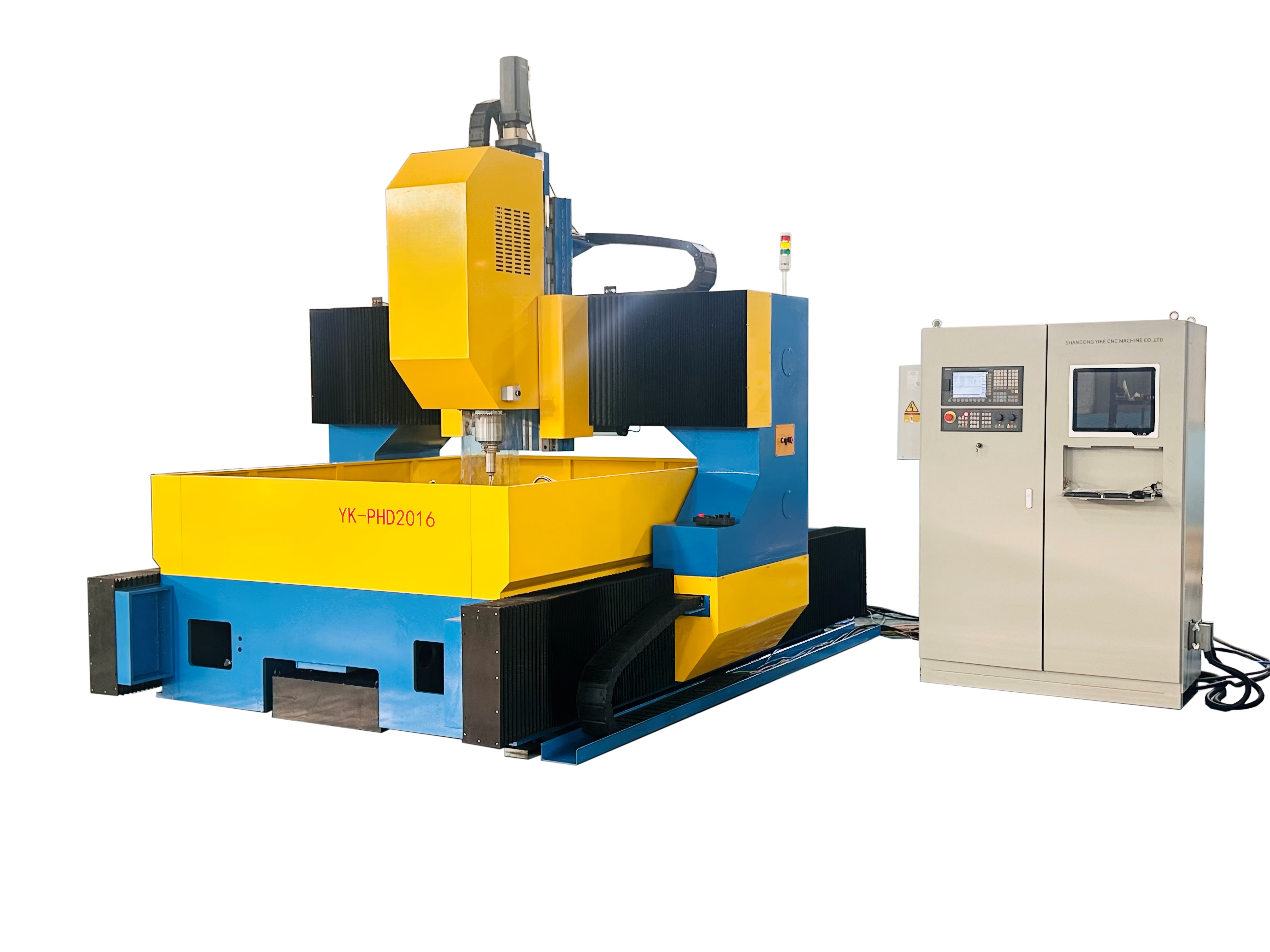
High Speed Drilling Machine Selection: RPM, Feed Rate, and Material Compatibility
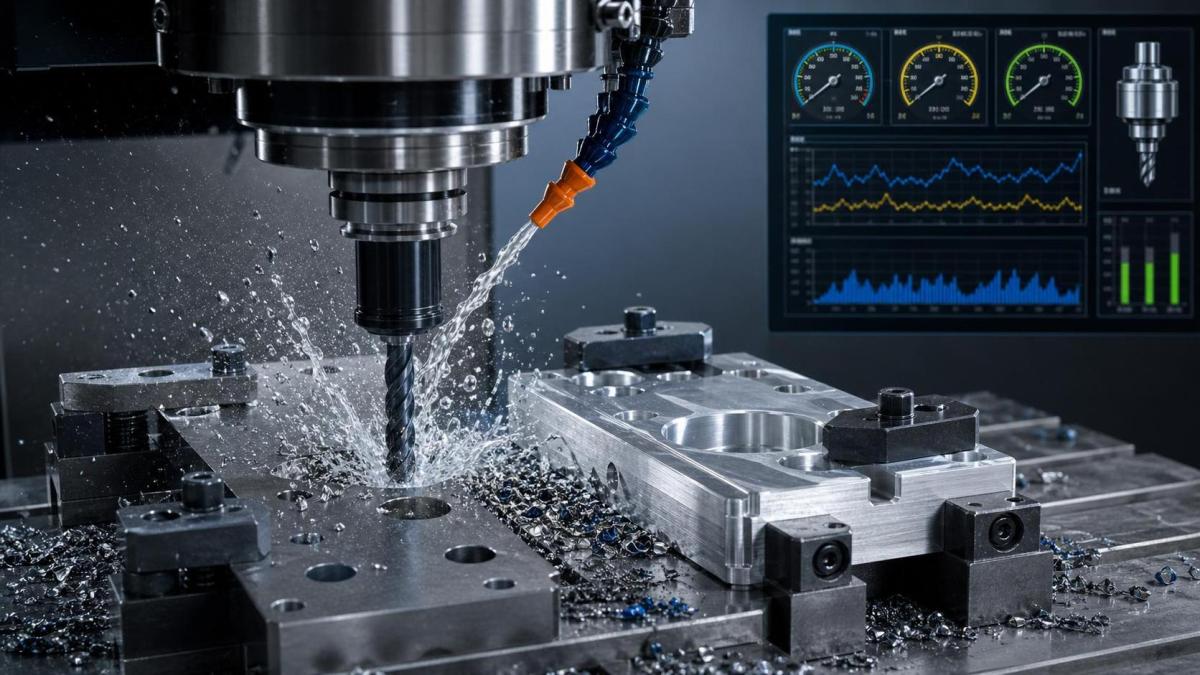
Choosing a high speed drilling machine is rarely about spindle speed alone.
RPM, feed rate, tooling stability, and material behavior all work together.
If one factor is mismatched, hole quality drops fast.
Tool wear rises, cycle time stretches, and rework starts to erode production value.
That is why high speed drilling machine selection should begin with process demands, not catalog claims.
Whether the job involves steel, aluminum, or composites, the right machine must hold speed accurately and feed consistently.
It also needs enough rigidity to protect accuracy under real shop conditions.
This guide focuses on the practical decision points that matter most.
Start with the actual drilling task
The first step is defining the hole-making requirement in measurable terms.
Diameter range, hole depth, tolerance, burr limit, and surface finish all affect machine selection.
Production volume matters just as much.
A prototype cell and a multi-shift production line need different high speed drilling machine configurations.
In actual manufacturing, three questions usually clarify the decision:
- What material will be drilled most often?
- What tool diameter range will run every day?
- What output target must the process achieve per shift?
These answers shape spindle speed range, feed system capacity, fixture design, and coolant requirements.
Without that baseline, comparison between machines becomes misleading.
Why RPM matters in high speed drilling machine selection
RPM determines cutting speed at the tool edge.
That directly affects heat generation, chip shape, finish quality, and tool life.
A high speed drilling machine should provide not only high maximum RPM, but usable RPM under load.
This is where spindle power curve and torque stability become important.
For small holes in aluminum, higher RPM usually improves productivity.
For larger holes in alloy steel, stable torque can matter more than peak speed.
That also means the best high speed drilling machine is application-specific.
RPM checkpoints before approval
- Maximum spindle speed for the smallest planned drill diameters
- Continuous speed stability during long drilling cycles
- Torque output in the working RPM band
- Acceleration and deceleration response between hole patterns
- Thermal control of spindle bearings at sustained speed
Machines that look impressive on speed sheets can still underperform on real parts.
The difference usually appears when mixed diameters and repeated hole arrays are involved.
Feed rate is where productivity and tool life meet
Feed rate controls chip load.
If feed is too low, the drill rubs and heat climbs.
If feed is too high, edge chipping, poor roundness, and spindle stress become more likely.
A capable high speed drilling machine must execute programmed feed smoothly, without vibration or servo lag.
This is especially important for stacked materials, thin plates, and deep-hole entry points.
More evaluators are now checking dynamic feed control rather than nominal feed capacity.
That shift makes sense because real drilling quality depends on motion control consistency.
What to verify in feed performance
- Minimum programmable increment for feed adjustments
- Feed stability during entry, full cut, and breakthrough
- Servo response when drilling varied hole spacing
- Repeatability across batch production
- Integration with peck drilling or adaptive cycles
A high speed drilling machine that holds feed precisely will usually return better tool economics over time.
Material compatibility should drive the final choice
Material behavior changes everything.
The same speed and feed settings will not work equally well across carbon steel, stainless steel, aluminum, and composites.
This is why material compatibility is central to high speed drilling machine selection.
Steel
Steel demands rigidity, stable thrust, and reliable chip evacuation.
Machines for steel should have strong frame construction and dependable coolant delivery.
At this point, some production lines also compare drilling with punching or hybrid processing.
For steel plate workflows, CNC Punching And Marking Machine For Steel Plates can be a useful reference option.
It supports punching and marking on one plate and reads CAD or TEKLA lofting files.
That matters when hole creation is part of a broader steel fabrication process.
Aluminum
Aluminum often benefits from higher RPM and aggressive chip evacuation.
Built-up edge can become a problem if feed and tool coating are mismatched.
Look for spindle cleanliness, coolant control, and fast cycle response.
Composites
Composites raise different risks, especially delamination, fiber pull-out, and dust control.
A high speed drilling machine for composites needs precise feed control and low-vibration mechanics.
Extraction and enclosure design also become purchasing factors, not optional extras.
Machine structure and control system are not secondary details
A high speed drilling machine only performs as well as its structural platform allows.
Frame rigidity, guideway quality, servo tuning, and spindle alignment all shape drilling results.
The more demanding the material, the more obvious these design differences become.
In practical reviews, the best machines usually share several traits:
- Rigid machine base with low vibration behavior
- Reliable spindle assembly for long duty cycles
- Stable servo-driven axis motion
- Simple maintenance access for daily service
- Clear programming interface and repeatable data input
This is also where manufacturing standards help reduce decision risk.
Wuxi Armada International Trade Co., Ltd supplies mechanical equipment built with attention to ISO9001 quality management and EU CE standards.
That combination supports more stable output, better process confidence, and easier global project acceptance.
A practical comparison table for shortlisting
Common selection mistakes to avoid
Several mistakes appear again and again during equipment evaluation.
- Choosing by maximum RPM without checking torque behavior
- Ignoring feed stability in thin or difficult materials
- Assuming one tooling package fits every material
- Underestimating fixture rigidity and chip evacuation
- Skipping long-run tests and relying only on sample holes
A sound high speed drilling machine decision should be based on sustained performance, not showroom impressions.
Final decision criteria for a high speed drilling machine
The right high speed drilling machine balances speed, feed control, and material compatibility in one stable platform.
It should deliver the target hole quality at the required output, without pushing tool wear beyond reason.
A disciplined review usually includes trial cutting, parameter validation, and maintenance assessment.
Where steel plate processing is involved, related systems like CNC Punching And Marking Machine For Steel Plates may also strengthen the overall production plan.
The clearest path is simple: define the material, verify RPM under load, test feed stability, and confirm structural reliability.
That process leads to a high speed drilling machine choice that supports quality now and capacity growth later.