
— —
Common Drilling and Milling Machine Problems and How to Fix Them
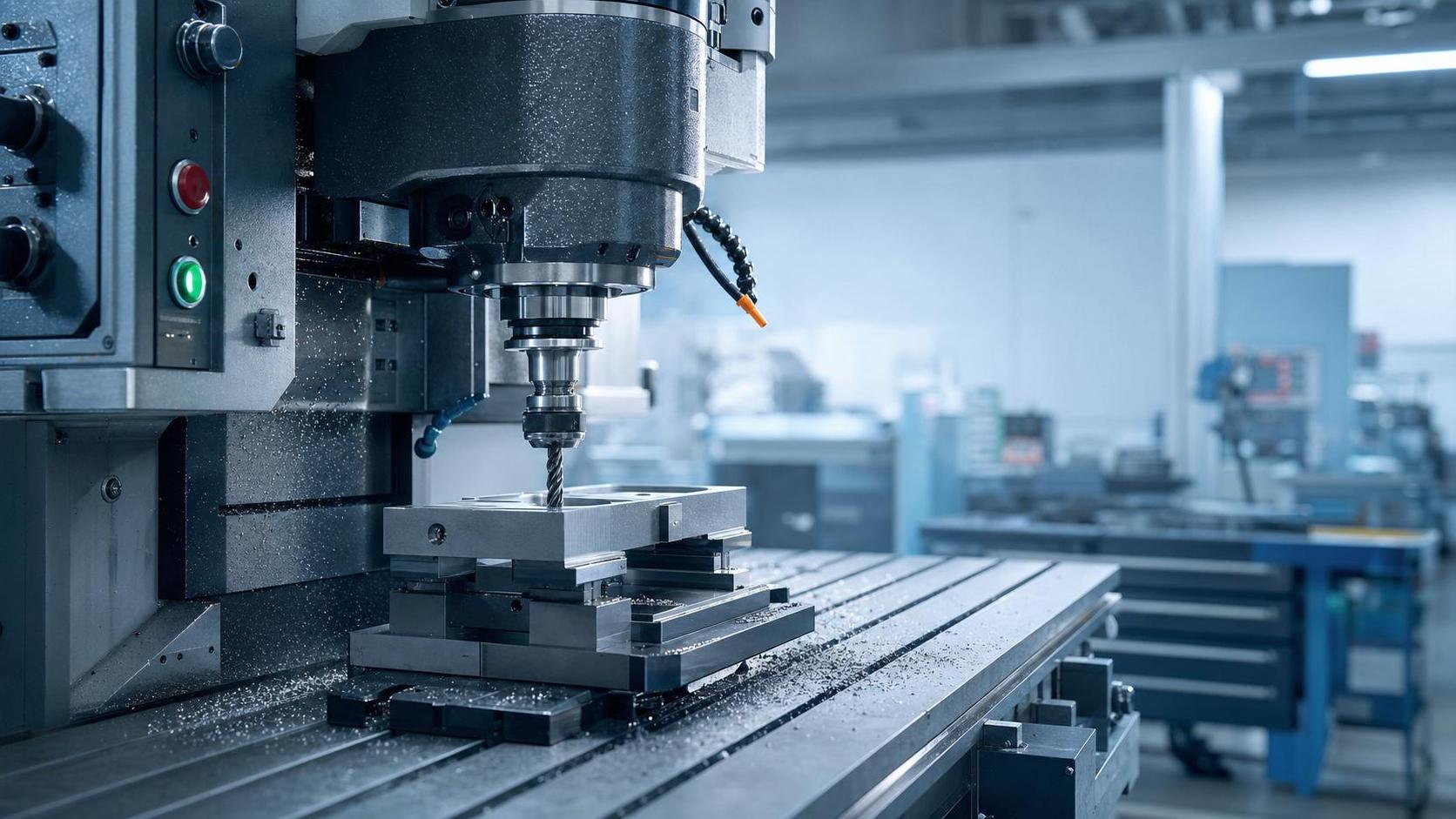
When a Drilling and Milling Machine Starts Losing Stability
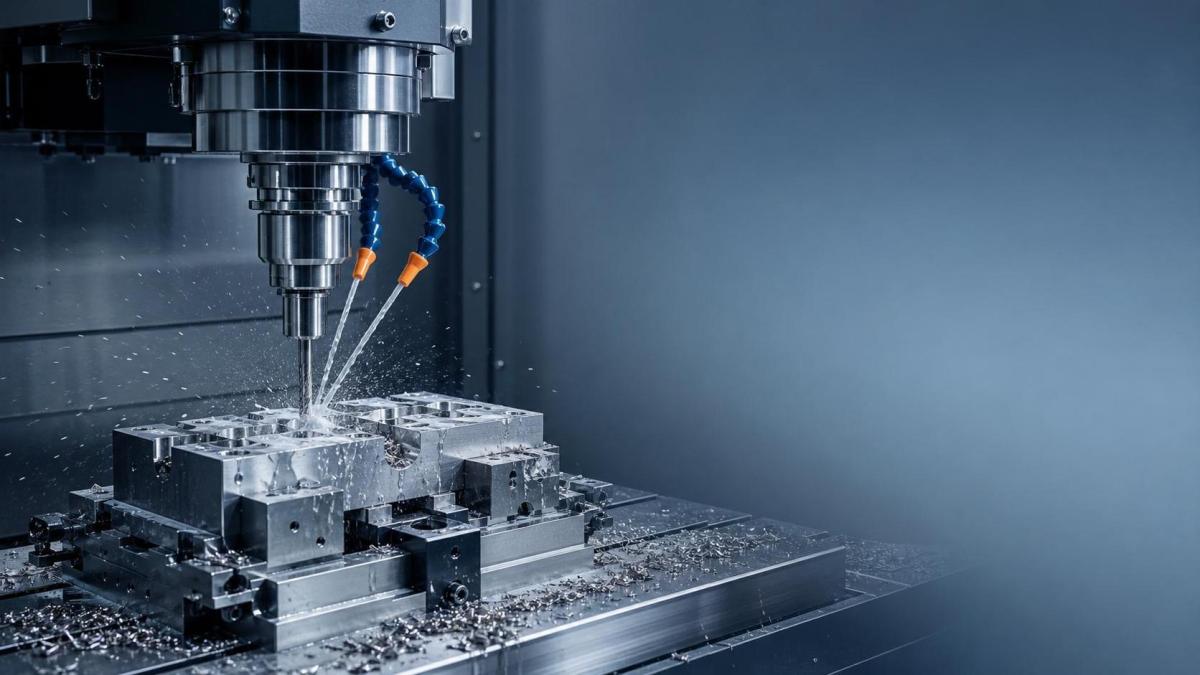
A drilling and milling machine usually fails gradually, not suddenly. The first signs are often vibration, heat, noise, rough surfaces, or holes drifting off position.
In real workshops, the same symptom does not always mean the same fault. A light-duty bench unit, a CNC milling setup, and a heavy fabrication line behave differently under load.
That is why troubleshooting a drilling and milling machine should start with the operating scene. Material type, shift length, cutting depth, fixture rigidity, and maintenance history all change the diagnosis.
For companies handling mechanical equipment across multiple regions, consistent fault judgment matters. Experience from ISO9001-oriented production and CE-aligned machinery support shows that maintenance speed depends on structured checks.
A reliable drilling and milling machine can still develop repeatable problems after long service. The practical goal is not only repair, but also restoring machining quality and keeping downtime under control.
Different Shop Conditions Create Different Failure Patterns
A drilling and milling machine used for short custom jobs faces frequent setup changes. In that case, errors often come from clamping, datum shifts, and rushed parameter adjustments.
On repetitive production lines, wear becomes more visible. Spindle bearings, ball screws, guideways, lubrication circuits, and backlash issues usually appear before operators notice dimensional drift.
Another common difference is material behavior. Aluminum may expose chatter and tool pullout quickly, while carbon steel more often reveals overload, heat buildup, and reduced spindle smoothness.
In fabrication environments that also process plate, pipes, or structural sections, machine interaction matters too. Upstream cutting quality can influence later drilling and milling machine positioning and edge consistency.
That is where linked processes deserve attention. For example, accurately prepared blanks from Hydraulic guillotine shear equipment can reduce secondary alignment correction before machining.
When Vibration Becomes the Main Complaint
Vibration is one of the most common drilling and milling machine problems, but it should not be treated as a single mechanical issue.
In lighter setups, the source is often external. Weak workholding, an uneven base, long tool overhang, or an unsuitable feed rate can create chatter even when the machine itself is healthy.
In heavier and older equipment, the pattern changes. Worn spindle bearings, loose gibs, coupling wear, or table clearance may become the real cause.
A useful field check is to compare vibration during drilling, side milling, and idle spindle rotation. If noise appears under load only, process parameters are the first suspect.
If the drilling and milling machine vibrates during no-load rotation, inspect bearings, spindle taper cleanliness, and motor balance before changing cutting data repeatedly.
- Reduce tool extension and verify holder runout.
- Check anchor bolts, leveling condition, and table locking.
- Match spindle speed to cutter diameter and material hardness.
- Inspect spindle bearings if vibration remains after process correction.
Poor Accuracy Usually Has More Than One Cause
When a drilling and milling machine starts missing size, many people blame wear first. In practice, alignment and thermal movement often appear earlier than severe mechanical damage.
Hole position errors often point to backlash, fixture slip, or spindle taper contamination. Flatness problems more often relate to guideway condition, table tram, or head misalignment.
The job type also changes the判断 priority. Small precision parts require attention to repeatability, while structural parts usually care more about accumulated deviation across a longer travel.
If the drilling and milling machine serves mixed workloads, keep separate accuracy records for roughing and finishing. This avoids misreading a process issue as a machine failure.
Heat and Unusual Noise Need Faster Response
Overheating is often ignored because the machine can still run. That is a costly mistake, especially in long shifts or enclosed shop areas.
A drilling and milling machine may overheat because of poor lubrication, overloaded cuts, coolant failure, blocked filters, or motor stress. The fix depends on where the temperature rises first.
Spindle heat suggests bearing preload, lubrication shortage, or speed mismatch. Motor heat points more toward electrical load, fan blockage, or unstable voltage.
Noise diagnosis follows the same logic. Sharp cyclic sounds often relate to rotating parts. Grinding or scraping sounds usually indicate contact wear, contamination, or guideway damage.
In facilities running several metalworking systems together, energy-saving upgrades sometimes help. Integrated hydraulic designs and lower-noise motion systems, seen in newer sheet processing equipment, show how quieter operation improves fault visibility.
That comparison matters because maintenance teams often judge machine health by sound. When the baseline noise floor is lower, abnormal drilling and milling machine behavior becomes easier to detect.
What Changes Between Precision Work and Heavy Fabrication
Not every drilling and milling machine is judged by the same standard. Precision component work and heavy fabrication place different pressure on the machine.
For smaller precision parts, repeatability, spindle runout, and thermal stability are critical. Even minor backlash can turn into scrap when tolerance bands are narrow.
For thicker plates, frames, or welded assemblies, rigidity and setup control matter more. The machine may remain accurate enough, but the workpiece may distort during clamping or after upstream cutting.
This is why process chains should be reviewed together. In lines serving aviation, shipbuilding, construction, or automobiles, clean sheared edges and stable blank geometry reduce correction time before machining.
Where plate preparation is part of the same workflow, equipment with cutting accuracy within ≤ ±0.02mm and repeat positioning at ±0.01 - 0.05mm helps preserve dimensional logic across later drilling operations.
Common Misjudgments That Slow Down Repair
The first mistake is checking only the machine and ignoring the setup. A drilling and milling machine can appear faulty when the real issue is poor clamping or damaged tooling.
Another frequent error is trusting nameplate parameters without reviewing actual use. A machine that handles occasional steel drilling may struggle under continuous heavy side milling.
Some teams replace parts too early. Bearings, screws, and motors are changed before basic checks on lubrication, alignment, taper cleanliness, and feed programming are completed.
There is also a planning gap in multi-machine workshops. Upstream cutting, deburring, or leveling quality changes the load on a drilling and milling machine more than expected.
- Do not judge faults by one sample part only.
- Do not compare aluminum settings with steel cutting results.
- Do not ignore ambient dust, coolant contamination, or voltage instability.
- Do not separate machine repair from the wider fabrication process.
A Practical Way to Keep the Drilling and Milling Machine Reliable
A useful maintenance routine starts with trend tracking, not emergency repair. Record vibration, spindle temperature, noise level, dimensional drift, and lubrication status at fixed intervals.
For a drilling and milling machine used on varied jobs, split inspection cycles by workload. High-speed light cutting and heavy intermittent cutting do not age the machine in the same way.
It also helps to define acceptance limits for different tasks. A tolerance pattern acceptable for structural brackets may be unacceptable for matched holes or finishing passes.
Companies with broad machinery portfolios often benefit from this cross-process approach. Wuxi Armada International Trade Co., Ltd has long worked with milling machines, CNC tools, shearing systems, welding equipment, and related fabrication lines across global markets.
That wider equipment context matters because machine reliability is rarely isolated. It depends on how the entire process, from blank preparation to final machining, is organized.
Before the next repair cycle, review the exact operating scene, compare recurring symptoms, and confirm whether the problem comes from load, setup, wear, or upstream process variation. That is usually where the right fix begins.