
— —
Drilling and Milling Machine vs Separate Machines: Which Saves More Space
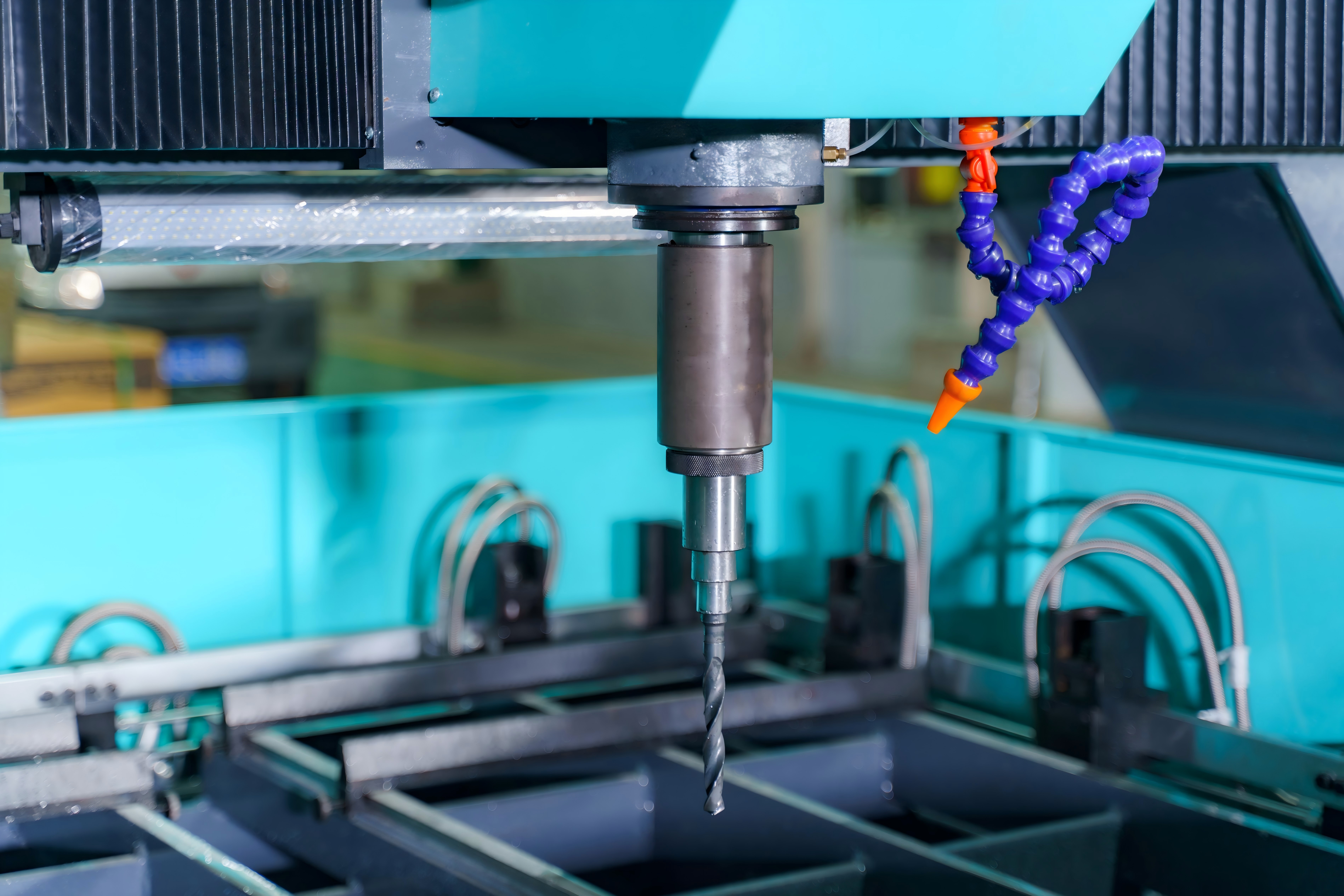
Floor space has become a hard production variable, not just a layout issue. When comparing a drilling and milling machine with separate drilling and milling units, the question is rarely about footprint alone. It is about how space affects setup time, material flow, operator movement, expansion flexibility, and the total rhythm of a workshop.
In metal fabrication and machining environments, compact equipment can release valuable room for staging, welding, inspection, or secondary processing. Yet a smaller machine arrangement is only useful when it still supports the required accuracy, batch size, and workpiece range. That is why the decision deserves a broader look.
What Space Saving Really Means in a Workshop
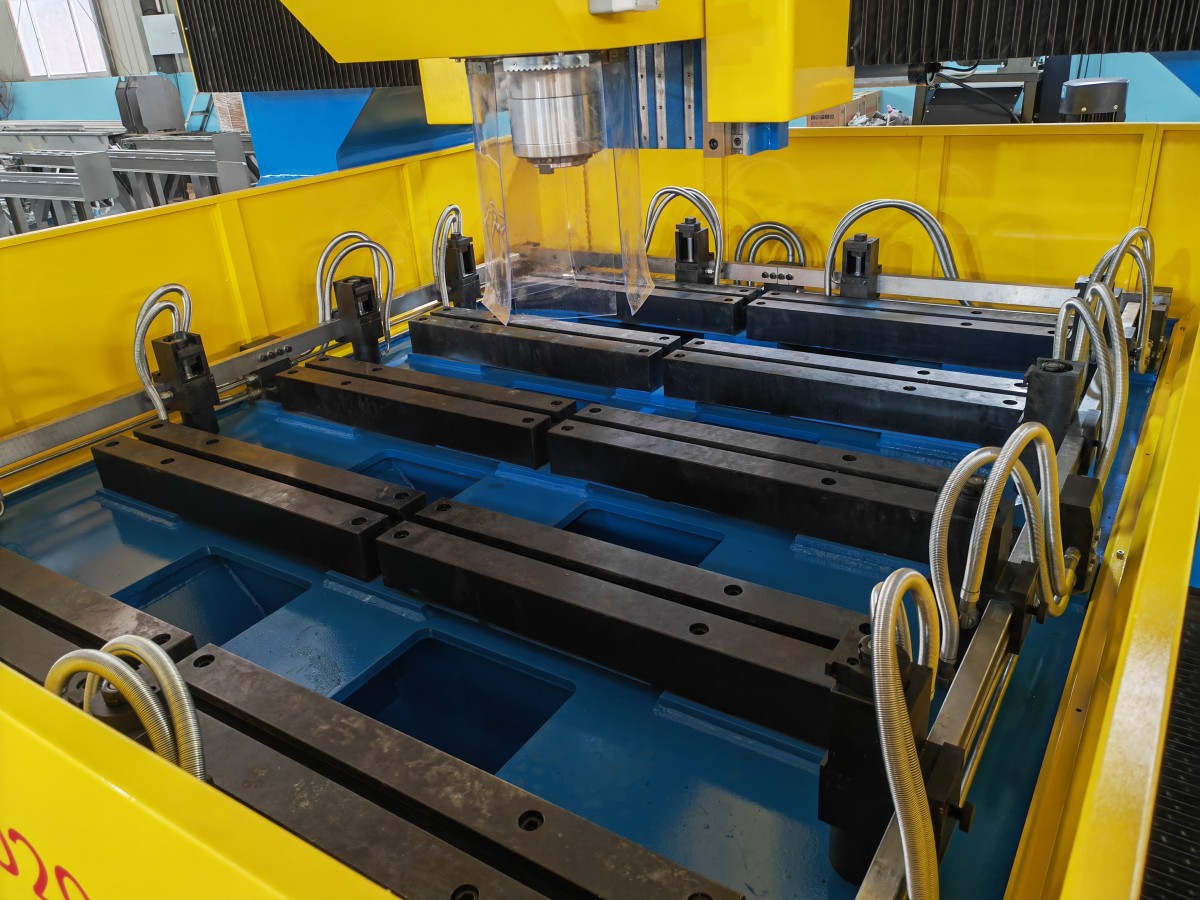
A drilling and milling machine combines two common machining functions into one platform. In practical terms, this can reduce occupied floor area, simplify electrical connections, and shorten travel distance between operations.
Separate machines do the opposite. They distribute drilling and milling tasks across dedicated units. That usually needs more floor space, more clearance zones, and more planning around part transfer.
However, space saving should be measured beyond machine dimensions. Access for loading, tooling, maintenance, coolant handling, and safe operator movement also matters. A compact machine that creates congestion around it may not save usable space at all.
Why This Comparison Matters Now
Manufacturing projects are under pressure to deliver output from tighter facilities. Many sites now prefer equipment that supports mixed production without requiring major building changes.
This is especially relevant in fabrication workshops handling CNC cutting, welding, forming, and finishing in one line. Every square meter assigned to one process affects another process downstream.
Suppliers with broad mechanical equipment experience often see this tradeoff clearly. Wuxi Armada International Trade Co., Ltd, established in 2012 in Wuxi, serves customers across Asia, Europe, the Americas, and Oceania with milling machines, CNC tools, welding systems, beam lines, and sheet metal equipment built around ISO9001 and EU CE expectations. In that context, equipment selection is usually linked to workflow design rather than single-machine pricing.
The Core Tradeoff Between Integrated and Separate Equipment
A drilling and milling machine usually wins the pure footprint comparison. One base, one operating zone, and one installation point make it attractive for smaller workshops or pilot production lines.
Separate machines often win on specialization. Each machine can be optimized for spindle power, table size, rigidity, tooling, and production speed for its own process.
So, the answer to which saves more space is simple on paper but less simple in operation. The drilling and milling machine saves more physical space. Separate machines may save production time when demand, tooling variation, or scheduling complexity grows.
When a Drilling and Milling Machine Makes More Sense
This option fits best where compactness supports the whole line. That often includes smaller fabrication shops, maintenance departments, prototype areas, and job shops with varied but moderate workloads.
It is also useful when operators need to complete drilling and light milling on the same setup. Reducing repositioning can improve handling efficiency and lower the chance of alignment loss between operations.
- Limited floor area and tight equipment spacing
- Frequent changeovers with short production runs
- Parts that do not require heavy dedicated milling capacity
- Installations where utility routing must stay simple
- Early-stage production lines that need versatile equipment
In these cases, the drilling and milling machine supports a cleaner layout and can free room for other critical stations such as welding, assembly, or inspection.
When Separate Machines Use Space Better in Practice
A larger footprint does not always mean poorer space efficiency. In higher-volume production, dedicated machines can create a better flow because work does not wait for one shared spindle or table.
That matters when drilling and milling are both frequent, or when different part families need different setups at the same time. A compact machine can become the smallest point in the layout but the biggest source of queueing.
Separate machines are often the stronger choice when material moves through fixed stations, especially in lines that also include plate processing, beam fabrication, robotic welding, or tank component forming.
For example, in tank and special vehicle production, upstream and downstream equipment must stay balanced. A line may combine machining with forming systems such as Dish end forming machine units for sealing head rotation, pre-bending, rolled-up shaping, and roll calibration. In that setting, stable throughput can matter more than a smaller standalone footprint.
Looking Beyond Footprint to Total Equipment Fit
The strongest decisions usually come from matching machine type to production behavior. Three points deserve closer attention.
Precision and rigidity
If parts demand heavy milling loads or strict tolerance stability, separate machines may offer stronger rigidity and better process consistency. That becomes more important as workpiece size and cutting intensity increase.
Batch size and scheduling
A drilling and milling machine is attractive for flexible scheduling. But where multiple jobs overlap, one combined platform can quickly become overscheduled. Dedicated machines reduce dependency on one asset.
Future line integration
Workshops rarely stop with one machine purchase. Expansion plans often include cutting, welding, deburring, forming, or automated handling. The right choice should support the next layout step, not only the current one.
That is why equipment with reliable controls and repeatable output remains valuable across categories. In tank processing, for instance, the XBJ-3000 forming solution uses advanced PLC programmable control and micro-electronic technology, with high quality steel construction, claimed precision of +_0.1mm, tensile strength at or above 520MPa, and patented process features designed for stable mass production. This kind of specification thinking should also guide any drilling and milling machine decision.
A Practical Way to Compare the Two Options
Before selecting equipment, map the real operating zone rather than the catalog footprint. Include material infeed, finished part outfeed, operator access, fixture storage, and maintenance clearance.
- Measure usable floor area, not just open floor area
- Count how many times a part is repositioned
- Estimate queue time if one machine handles both operations
- Check spindle, table, and tooling needs against future jobs
- Review whether maintenance downtime would stop one or two processes
- Compare installation cost with line expansion cost
This approach usually reveals whether the drilling and milling machine is saving productive space or only compressing operations into one point.
The Better Choice Depends on the Shape of Demand
If the immediate need is compact layout, lower handling distance, and flexible general-purpose machining, a drilling and milling machine is often the smarter fit. It saves floor space in the direct sense and can simplify workshop organization.
If the operation depends on parallel processing, heavier cutting, or planned line growth, separate machines may use space more effectively over time despite needing more area today.
The most useful next step is to compare both options against actual part flow, not assumptions. A simple layout study, combined with throughput targets and process requirements, usually makes the right answer visible before equipment is ordered.