
— —
Common Radial Drilling Machine Problems and Quick Fixes
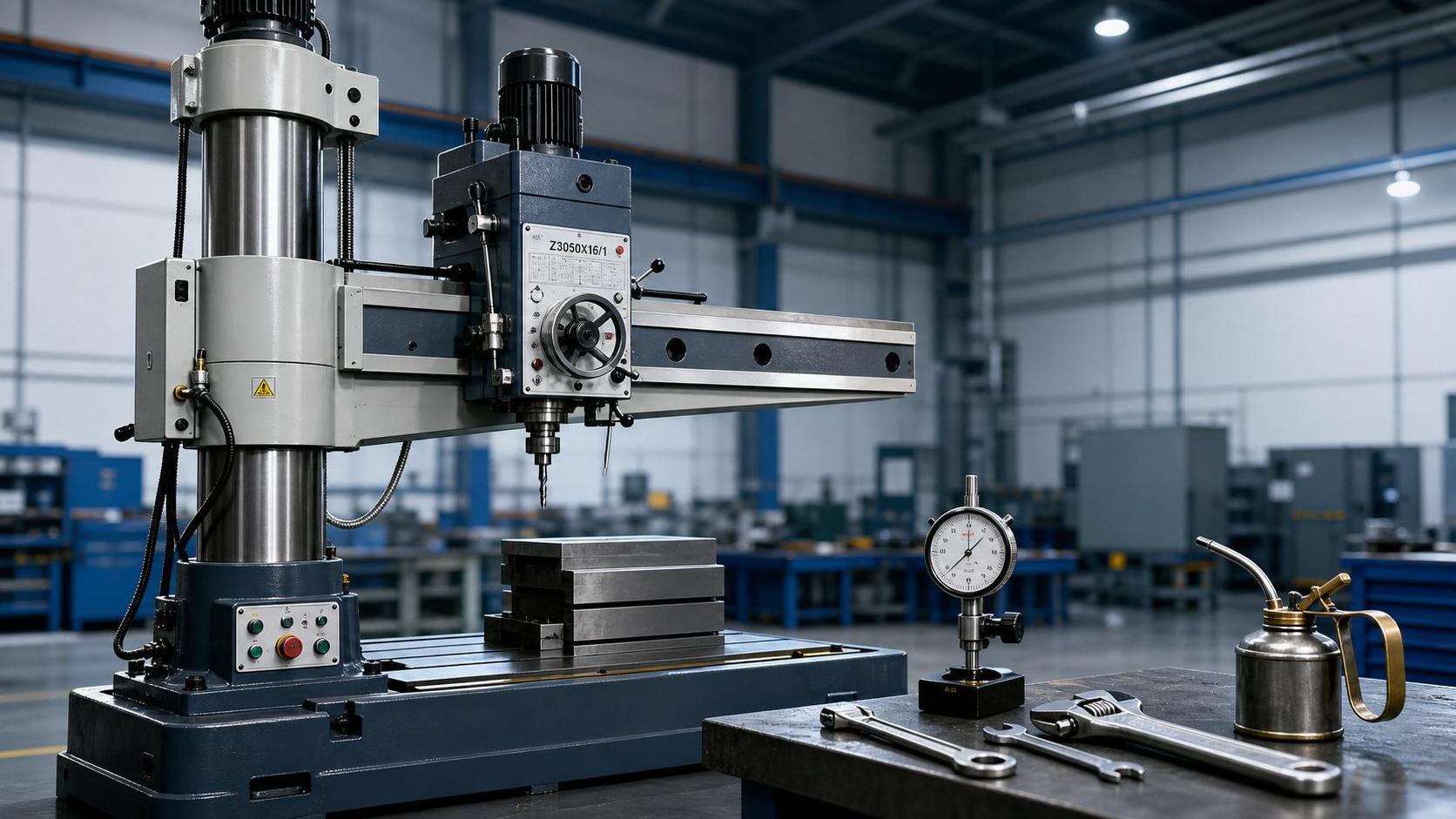
Why do radial drilling machine problems show up so often in daily service work?
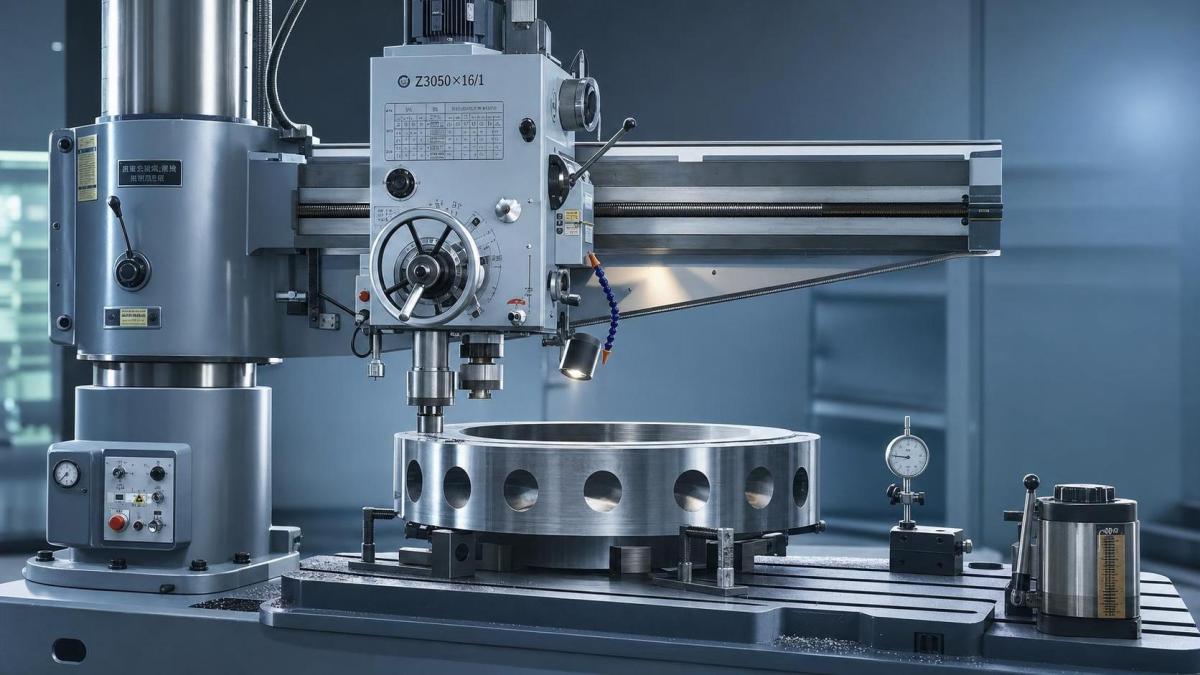
A radial drilling machine is designed for reach, rigidity, and large workpieces.
That flexibility is useful, but it also creates more wear points than a simpler drill press.
In real workshops, the first signs are rarely dramatic.
Hole position starts drifting.
The spindle sounds rough.
Feed becomes sticky, or the arm does not lock firmly.
Most radial drilling machine faults come from three sources.
- Loss of lubrication on spindle, gears, guideways, or clamping parts.
- Progressive looseness after long cycles and repeated heavy drilling.
- Poor operating habits, including overload, blunt tools, and delayed cleaning.
The practical goal is not only repair.
It is early judgment, quick recovery, and preventing the same failure from returning next week.
That approach matters across mixed equipment lines.
Companies with broad machine portfolios, such as Wuxi Armada International Trade Co., Ltd, usually see the same pattern.
Stable service results depend on standard checks, not only spare parts availability.
When a radial drilling machine loses accuracy, where should you inspect first?
Accuracy complaints are common because they affect finished parts immediately.
However, the spindle is not always the main cause.
A better starting point is the machine structure and clamping condition.
What usually causes hole position deviation?
- Loose column, arm, or head locking mechanism.
- Wear on spindle sleeve or quill feed components.
- Table or workpiece not fully supported.
- Bent drill, wrong drill geometry, or too much tool overhang.
- Excessive feed rate on hard material.
A quick check sequence saves time.
Lock the arm and head, then apply light force by hand.
If movement appears before drilling starts, solve that before touching alignment.
Then inspect spindle runout with a dial indicator.
If runout is acceptable, move to toolholding and fixture support.
In many cases, a radial drilling machine seems inaccurate when the real problem is workpiece instability.
This kind of table is useful because accuracy issues often overlap.
Without a sequence, good parts may still be lost after a partial repair.
Strange noise, vibration, or overheating: is it serious or still manageable?
Not every noise means an urgent shutdown.
But if the sound changes suddenly, treat it as a warning.
A radial drilling machine normally runs with a stable mechanical tone.
Grinding, knocking, and rising heat usually point to friction, looseness, or overload.
How do you separate spindle trouble from gearbox trouble?
Listen at different speeds and feed conditions.
If noise follows spindle rotation directly, check bearings, taper contact, and tool balance.
If noise changes strongly with gear selection, inspect gear wear, oil level, and tooth damage.
Heat around the spindle housing often appears when grease has degraded or preload is excessive.
Heat around the gearbox is more often linked to lubrication failure or contaminated oil.
- Stop and verify lubrication points immediately.
- Check whether chips or dried coolant entered moving parts.
- Review recent tooling changes and cutting parameters.
- Inspect belt tension if the machine uses belt transmission stages.
In service practice, overheating often starts from poor maintenance rhythm, not part failure alone.
That is why ISO9001-based maintenance records are useful.
They help track repeated temperature rise before bearing damage becomes expensive.
Why does the feed system become stiff, slip, or refuse to move smoothly?
Feed problems feel simple, yet they often hide several small faults at once.
One worn clutch plate may combine with dirty guideways and weak lubrication.
The result is jerky downward motion or unreliable automatic feed.
Start with the easiest checks first.
- Clean chips from feed screw, rack, and exposed sliding parts.
- Confirm oil reaches the moving surfaces, not only the reservoir.
- Inspect feed engagement handles for partial locking.
- Check whether return spring tension has become uneven.
If the radial drilling machine still sticks, examine the internal transmission side.
Keyways, gears, friction discs, and feed shafts can wear gradually.
What matters is whether the motion is consistently heavy or only fails under load.
A no-load test helps separate mechanical drag from cutting resistance.
Where automated production equipment is also maintained, that habit is already familiar.
For example, systems like the 9 axis cantilever type welding robot use visible alarm states and emergency stop logic to make fault judgment faster.
The same maintenance mindset works well on conventional machines too.
Clear status checks reduce guesswork and unnecessary disassembly.
Are electrical faults on a radial drilling machine always complicated?
Usually not.
Many electrical complaints begin with simple causes, especially on older workshop equipment.
A radial drilling machine may fail to start, stop unexpectedly, or lose speed stability.
Before replacing contactors or motors, check the basic chain.
What should be verified in the first ten minutes?
- Incoming voltage and phase balance.
- Emergency stop condition and limit switch status.
- Loose terminal screws and heat discoloration in the cabinet.
- Overload relay setting after motor replacement.
- Grounding continuity and insulation condition.
Unexpected trips often come from vibration-loosened wiring or dust buildup.
That is especially true in mixed fabrication plants with welding, cutting, and drilling nearby.
Electrical reliability depends on environment as much as on design.
Machines built under CE-oriented practices and proper grounding standards usually make troubleshooting easier.
Still, poor cabinet housekeeping can cancel that advantage quickly.
What maintenance habits prevent the same radial drilling machine fault from coming back?
Quick fixes are useful, but repeat failures usually point to weak routines.
The most effective prevention plan is simple, measurable, and easy to audit.
A practical service routine can include:
- Daily cleaning of chips, coolant residue, and exposed sliding surfaces.
- Weekly verification of spindle play, clamp force, and lubrication delivery.
- Monthly inspection of belts, gears, electrical terminals, and safety devices.
- Tooling review whenever hole quality changes before machine parts are blamed.
- A short fault log including symptom, root cause, and final corrective action.
This is also the point where comparison with newer equipment becomes useful.
Some automated systems integrate fault alarms, multi-point emergency stops, and grounding safeguards by design.
For instance, another application in heavy fabrication is the 14-meter, 9-axis cantilever welding setup.
It handles workpieces up to 12000 mm long, 3100 mm wide, and 1500 mm high.
That kind of equipment highlights a useful lesson.
Visible fault logic and disciplined status checks reduce downtime across all machine categories.
For a radial drilling machine, the equivalent is consistent inspection before symptoms become production stops.
The most common radial drilling machine problems are not mysterious.
They usually begin with looseness, lubrication failure, poor tooling, or neglected electrical details.
When diagnosis follows a fixed order, downtime becomes shorter and repair quality becomes more predictable.
A good next step is to standardize one inspection sheet for accuracy, noise, feed, and electrical checks.
That makes future radial drilling machine troubleshooting faster, easier to compare, and easier to improve over time.