
— —
Is a Higher Radial Drilling Machine Price Always Worth It
Is a Higher Radial Drilling Machine Price Always Worth It
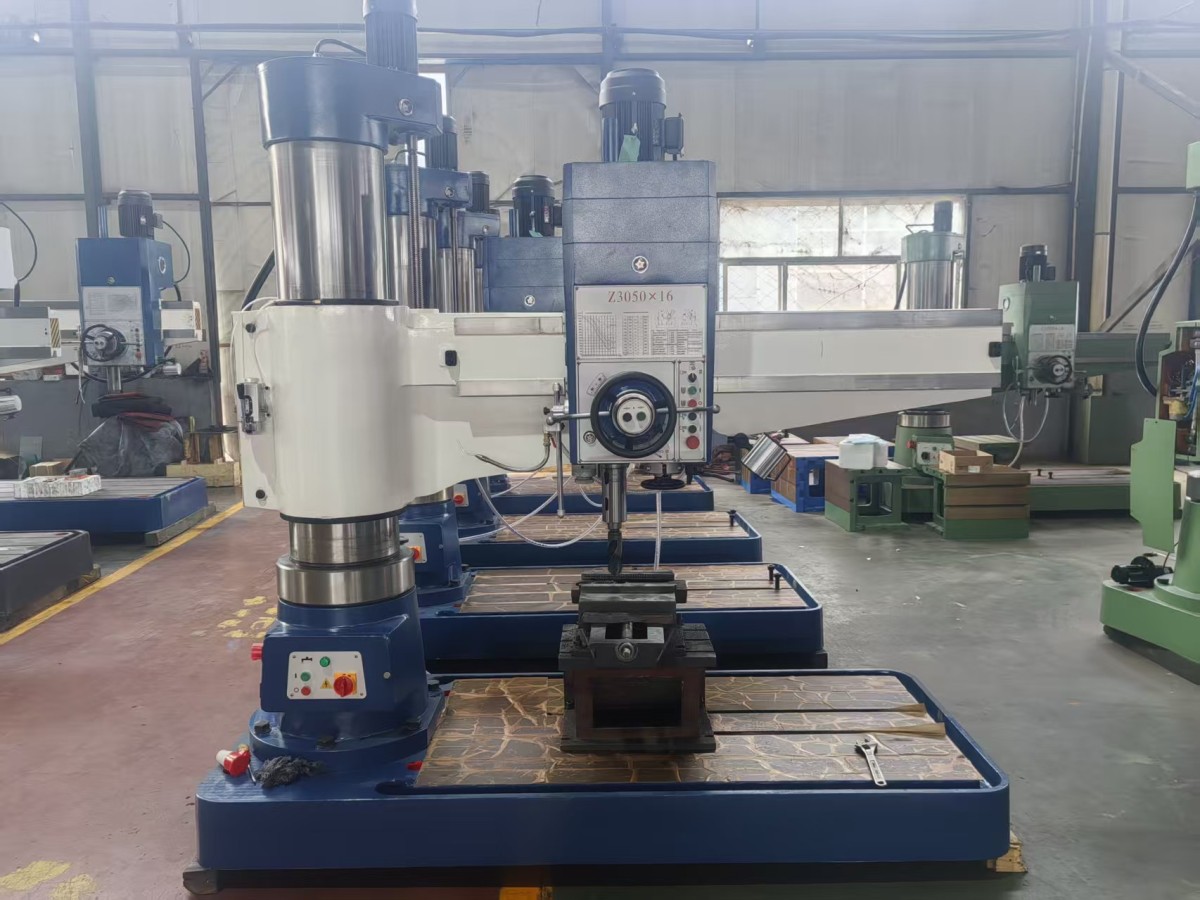
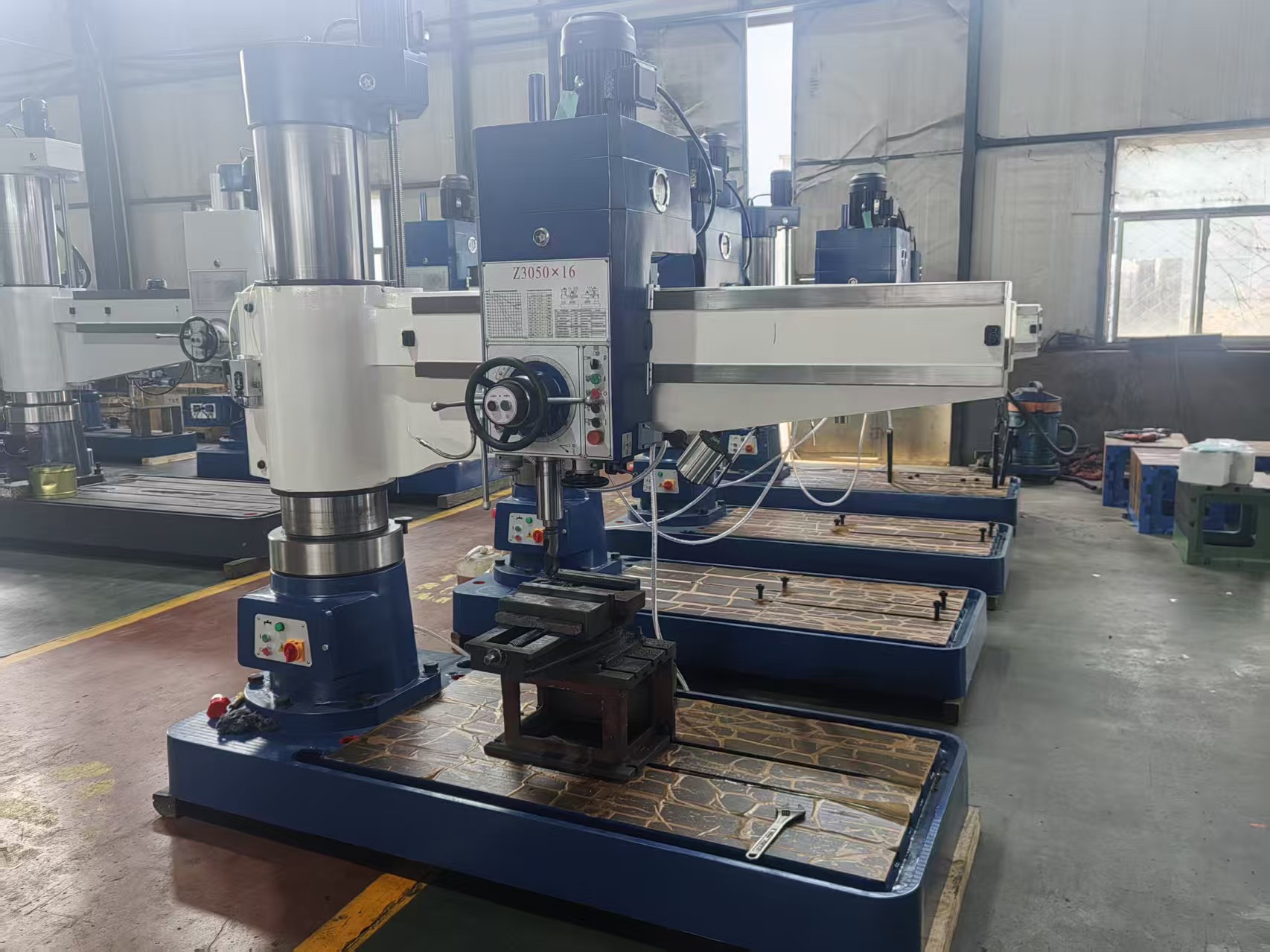
When comparing the radial drilling machine price, the first number rarely tells the full story.
A higher quote may signal better rigidity, longer service life, and more stable drilling accuracy.
But higher cost does not automatically mean better value for every factory, workshop, or fabrication line.
The smarter approach is to judge radial drilling machine price against output goals, material demands, labor efficiency, and downtime risk.
That is where real purchasing logic begins.
What Drives Radial Drilling Machine Price
Several factors shape radial drilling machine price, and some matter more than buyers expect.
Machine size is the obvious one.
A larger arm length, bigger column diameter, and wider working range usually increase the base cost.
However, structural quality often matters more than dimensions alone.
A machine built with stable castings, precise gears, and reliable spindle components tends to perform better over time.
That affects hole consistency, vibration control, and tool life.
Control systems also push radial drilling machine price upward.
Variable speed settings, automatic feeds, digital displays, and better safety functions improve daily usability.
In real production, those features save time more often than they impress on paper.
When a Higher Price Makes Business Sense
A premium radial drilling machine price can be justified when production volume is high and tolerances are strict.
If the machine runs daily, build quality quickly becomes a cost issue, not just a quality issue.
A stronger machine often reduces rework, unplanned stoppages, and operator adjustments.
That leads to more predictable output and lower hidden labor costs.
This matters even more in heavy fabrication, steel structure work, mold bases, and large workpiece drilling.
In these settings, machine stability affects every shift.
- Higher spindle stability supports cleaner, more accurate holes.
- Better guideways reduce wear and keep movement smoother.
- More durable components lower maintenance frequency.
- Safer control systems reduce operator error and handling risk.
So yes, a higher radial drilling machine price can be worth it when uptime has direct financial impact.
When Paying More Is Not the Best Choice
There are also cases where a premium radial drilling machine price adds little practical value.
Low-volume workshops may never use advanced functions enough to recover the extra investment.
The same is true when workpieces are simple, material thickness is limited, and precision requirements are moderate.
In that situation, a well-configured mid-range machine may deliver the best return.
Overbuying usually shows up in three ways.
- The machine capacity exceeds actual part size and drilling depth.
- The feature set is too complex for the production routine.
- The capital budget gets locked into equipment that is underused.
That is why radial drilling machine price should always be reviewed together with workload reality.
Look Beyond Price to Total Ownership Cost
The real purchasing decision should focus on total cost of ownership.
That includes installation, operator training, spare parts, tooling, service response, and energy use.
A lower radial drilling machine price may look attractive at first.
But frequent maintenance, unstable accuracy, or slow support can erase the savings very quickly.
On the other hand, a more expensive machine only creates value if the supplier can support it properly.
This is where supplier strength becomes part of the cost equation.
Wuxi Armada International Trade Co., Ltd has focused on mechanical equipment since 2012.
Its portfolio covers drilling, welding, cutting, milling, lathes, laser systems, and structural fabrication equipment.
Production and design are organized under ISO9001 quality system certification and EU CE standards.
That kind of manufacturing discipline often reduces procurement risk more than buyers initially expect.
How to Evaluate Value Before You Buy
A practical evaluation process makes the radial drilling machine price easier to judge.
Start with actual production data, not assumptions.
- List common workpiece sizes and materials.
- Define drilling diameter, depth, and tolerance targets.
- Estimate daily operating hours and expected shifts.
- Check how costly one hour of downtime would be.
- Confirm whether automation features will be used often.
Then compare suppliers on more than machine specifications.
Ask about inspection reports, electrical brands, after-sales timing, spare parts availability, and training support.
Those details often reveal whether a higher radial drilling machine price is backed by real capability.
A Useful Comparison Method
A simple scoring model can make procurement decisions more objective.
This method keeps the discussion focused on business return rather than headline cost alone.
Related Equipment Choices Also Affect Cost Efficiency
In many fabrication environments, drilling is only one step in the full process.
That means equipment matching across cutting, beveling, welding, and finishing also matters.
For example, some lines may also benefit from an Pipe Cutting & Beveling Machine.
It supports carbon steel, stainless steel, and aluminum plates in metal plate processing applications.
Its feeding speed reaches 0.13 to 1.0m per minute, with thickness handling from 6mm to 80mm.
Bevel angles range from 0 degrees to 90 degrees, with micron-level processing accuracy.
Features such as automatic clamping, edge detection, feed and return movement, and flexible cutter head adjustment improve efficiency.
This is a reminder that the best radial drilling machine price decision should support the whole workflow, not a single machine in isolation.
Final Decision: Price Should Follow Purpose
So, is a higher radial drilling machine price always worth it?
No, not always.
It is worth it when the added cost brings measurable gains in precision, throughput, uptime, and service life.
It is not worth it when features exceed real production needs.
The most reliable buying strategy is simple.
Match radial drilling machine price to workload, quality targets, maintenance expectations, and supplier credibility.
That approach leads to a purchase decision that is easier to defend and more likely to pay back over time.
Before placing an order, compare at least three configurations, calculate ownership cost, and verify support commitments in writing.