
— —
Custom Pipe Welding Trends in 2026: Faster Turnaround, Tighter Tolerance
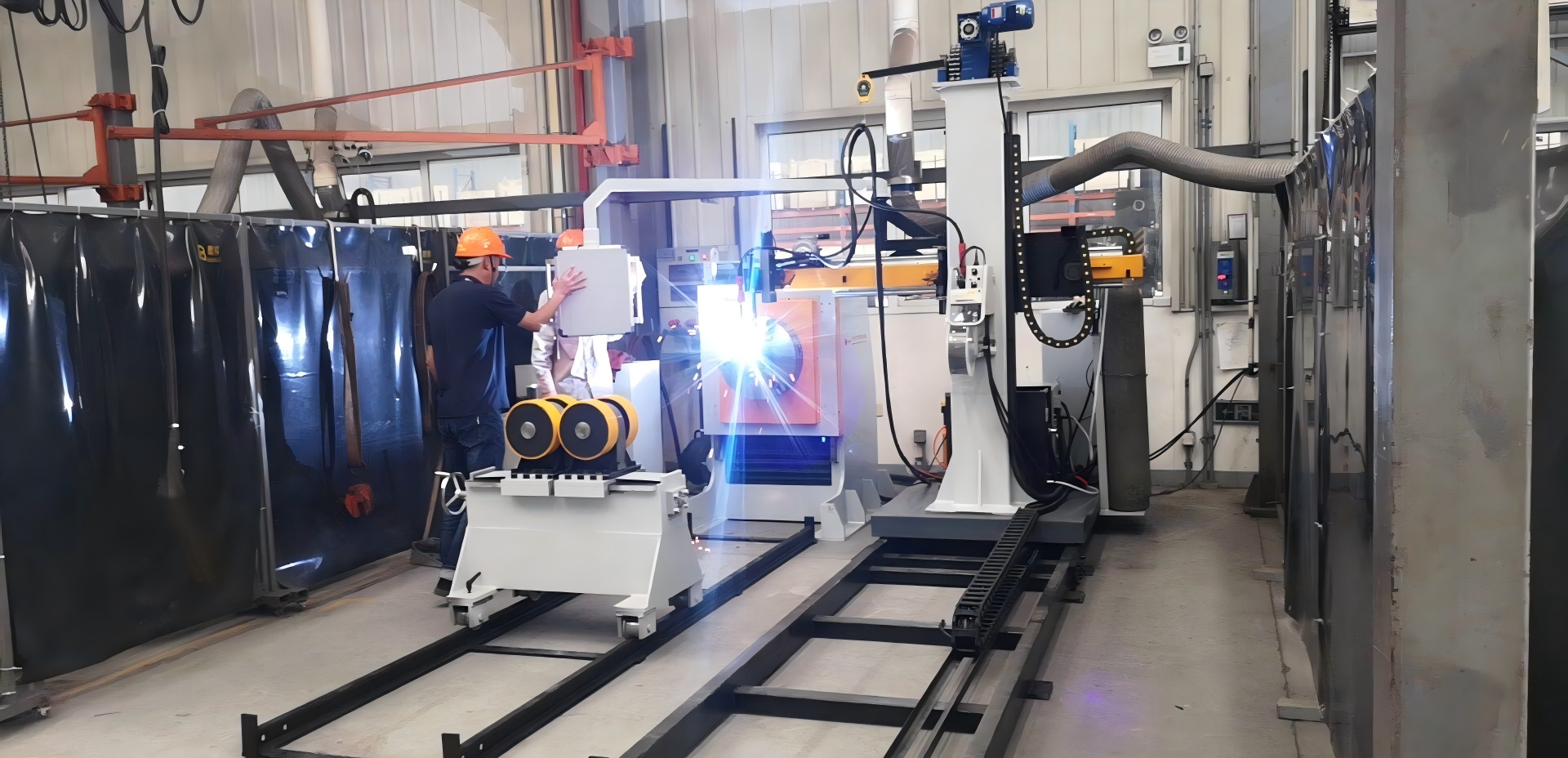
In 2026, custom pipe welding is no longer judged only by weld strength. Lead time, dimensional control, data visibility, and compliance readiness now shape buying and production decisions.
That shift matters across manufacturing and processing machinery, where pipe assemblies support fluid systems, frames, pressure applications, and automated production lines.
For companies managing equipment investment, custom pipe welding has become a practical benchmark for how fast a supplier can respond and how reliably a line can scale.
Why custom pipe welding is changing in 2026
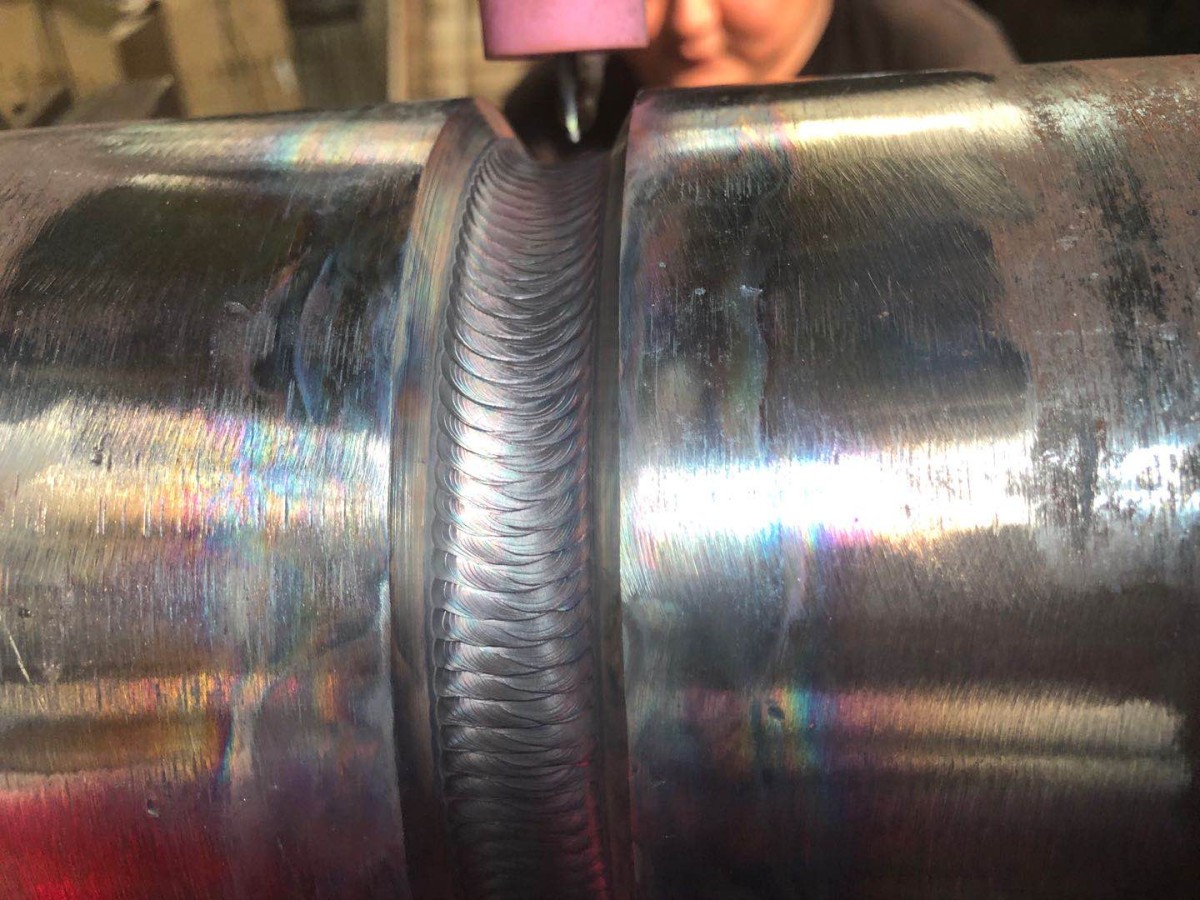
Shorter project cycles are pushing fabricators to reduce setup time without giving up repeatability. At the same time, downstream assembly is less tolerant of variation than it was a few years ago.
In custom pipe welding, even small deviations can affect fit-up, pressure performance, coating quality, and final installation speed. Faster delivery only creates value when the weldment arrives ready to use.
Another pressure point is global compliance. Export-oriented machinery projects often require documented quality processes, traceable materials, and stable production methods that align with ISO9001 and CE-related expectations.
This is why experienced equipment suppliers are expanding beyond single-machine sales. They are expected to understand the full fabrication chain, from cutting and beveling to welding, finishing, and inspection.
What tighter tolerance really means
Tighter tolerance in custom pipe welding is not limited to weld seam appearance. It covers pipe end preparation, concentricity, angular accuracy, heat input control, and distortion management.
When these variables are controlled together, assembly becomes more predictable. Rework drops, leak risk declines, and automated downstream processes run with fewer interruptions.
In practical terms, tolerance discipline affects several business outcomes:
- More stable joining quality across batches
- Lower scrap and fewer corrective operations
- Better compatibility with robotic handling and fixtures
- Higher confidence in export projects with demanding specifications
This is especially relevant for stainless steel pipe, structural tube, pressure-related components, and mixed-material fabrication where surface finish and edge condition influence final weld quality.
The biggest operational trends behind faster turnaround
The fastest custom pipe welding operations in 2026 are not relying on speed alone. They are reducing friction between process steps.
Automation is becoming selective, not excessive
Many workshops are combining welding robots, CNC cutting, and automated positioning only where repeatability clearly offsets complexity. Flexible automation is replacing one-size-fits-all automation.
Preparation quality is gaining more attention
Poor edges, slag, burrs, and inconsistent bevels slow down even the best welding cell. Preparation quality now has a direct impact on custom pipe welding throughput and tolerance control.
That is why many fabrication lines review finishing equipment alongside welding systems. For sheet and cut components used in fixtures, covers, supports, and mating structures, equipment such as RNS1300 Sheet metal deburring machine can support cleaner upstream conditions.
Its 1300mm processing width, PLC control with a 10-inch touch screen, and 360-degree deburring capability help remove slag and edge defects before parts enter assembly-sensitive operations.
Data is being used for prevention
Instead of checking quality only after welding, advanced shops monitor wire use, travel speed, heat consistency, and fit-up trends to prevent defects before they expand into delivery delays.
Where these trends show the most value
Custom pipe welding trends are especially visible in projects where fabrication quality affects the full machine lifecycle, not just the initial build.
The common point is simple. Custom pipe welding creates more value when it is integrated into a coordinated manufacturing system, not isolated as one workshop task.
How equipment strategy affects welding results
Machine selection now influences welding quality earlier than many sourcing plans assume. Cutting accuracy, bevel consistency, handling stability, and surface preparation all affect what happens at the arc.
Companies with broad equipment portfolios are often better positioned to support this link. Wuxi Armada International Trade Co., Ltd, established in 2012 in Wuxi, works across automatic welding equipment, CNC cutting machines, milling machines, lathes, welding robots, laser cutting machines, H-beam lines, pipe benders, and deburring systems.
That kind of range matters because custom pipe welding performance depends on coordination between several machines, not only the welding unit itself.
It also matters that production and design are organized around ISO9001 and EU CE standards. For cross-border projects, that supports more reliable documentation, steadier process control, and fewer surprises during acceptance.
In actual fabrication environments, finishing equipment should not be overlooked. A deburring system with dual-station independent operation, automatic belt correction, and efficient dust removal can improve part readiness and workshop cleanliness before welded assemblies move forward.
What to evaluate before choosing a custom pipe welding partner
Price still matters, but it is a weak signal when reviewed alone. A stronger evaluation combines process capability, lead-time discipline, and upstream preparation control.
- Check whether the supplier can hold consistent fit-up across different pipe sizes and wall thicknesses.
- Ask how welding, cutting, finishing, and inspection are linked inside one workflow.
- Review whether tolerance control is documented or only claimed verbally.
- Look for process support on related machinery, not only the final weld station.
- Confirm readiness for export standards, especially when multi-market delivery is planned.
If the project includes cut plate supports, covers, brackets, or fixture elements, upstream finishing capacity also deserves attention. Equipment handling 0.5-40 mm thickness, with dust removal efficiency above 85%, can help stabilize preparation quality.
A practical direction for the next decision cycle
The 2026 outlook for custom pipe welding is clear. Faster turnaround and tighter tolerance are no longer separate goals. They depend on the same discipline across design, preparation, welding, and finishing.
A useful next step is to map the full production path behind each pipe assembly. Identify where variation begins, where delays are introduced, and which machine interfaces affect final weld quality the most.
From there, compare partners by process depth, equipment compatibility, and quality system maturity. That approach usually reveals more long-term value than comparing quote totals alone.
For operations planning future upgrades, custom pipe welding should be viewed as part of a connected fabrication strategy, with the right balance of automation, preparation quality, and compliance-ready execution.