
— —
Drilling and Milling Machine Price Factors: What Drives Total Cost
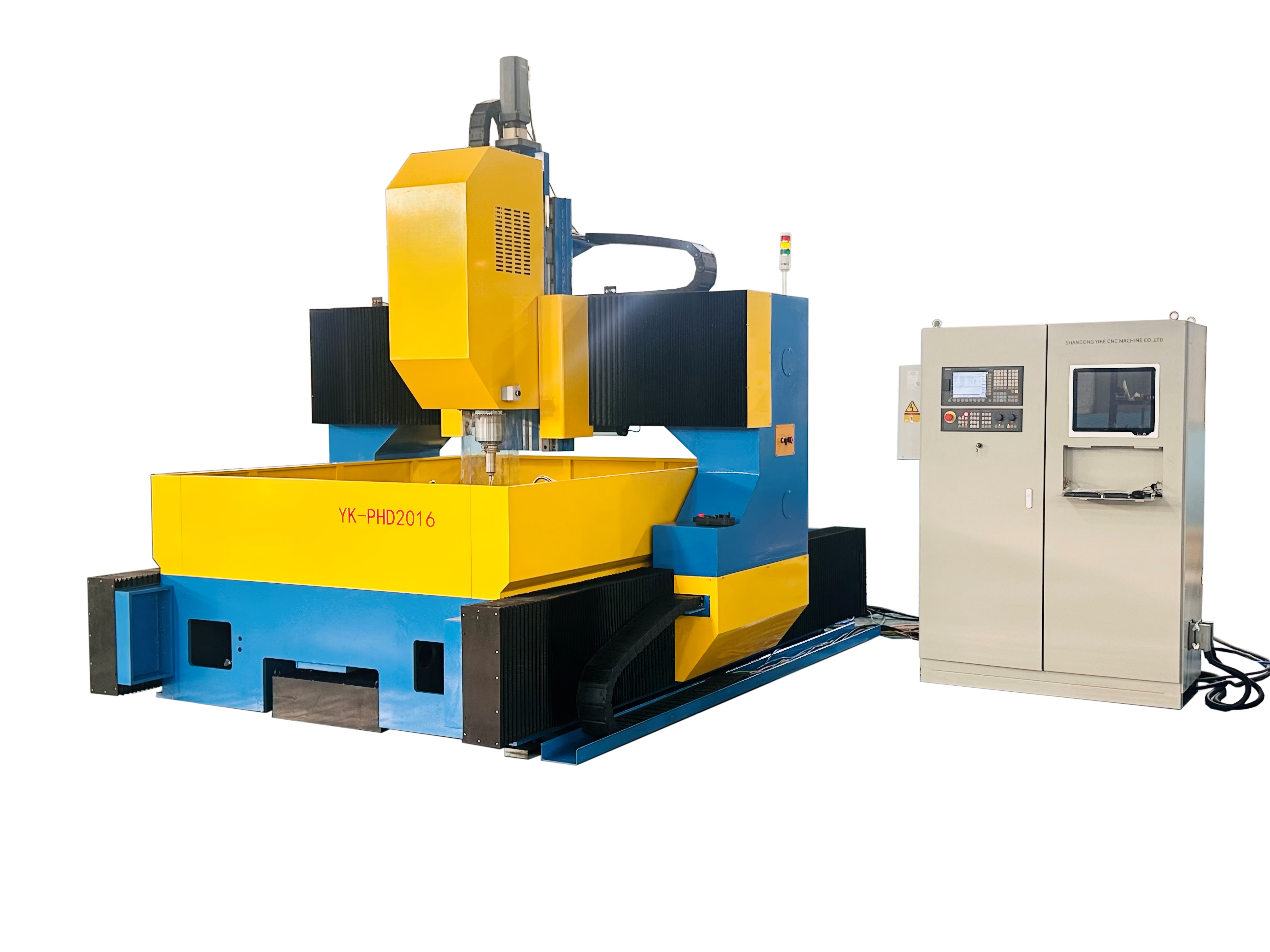
Drilling and Milling Machine Price Factors: What Drives Total Cost
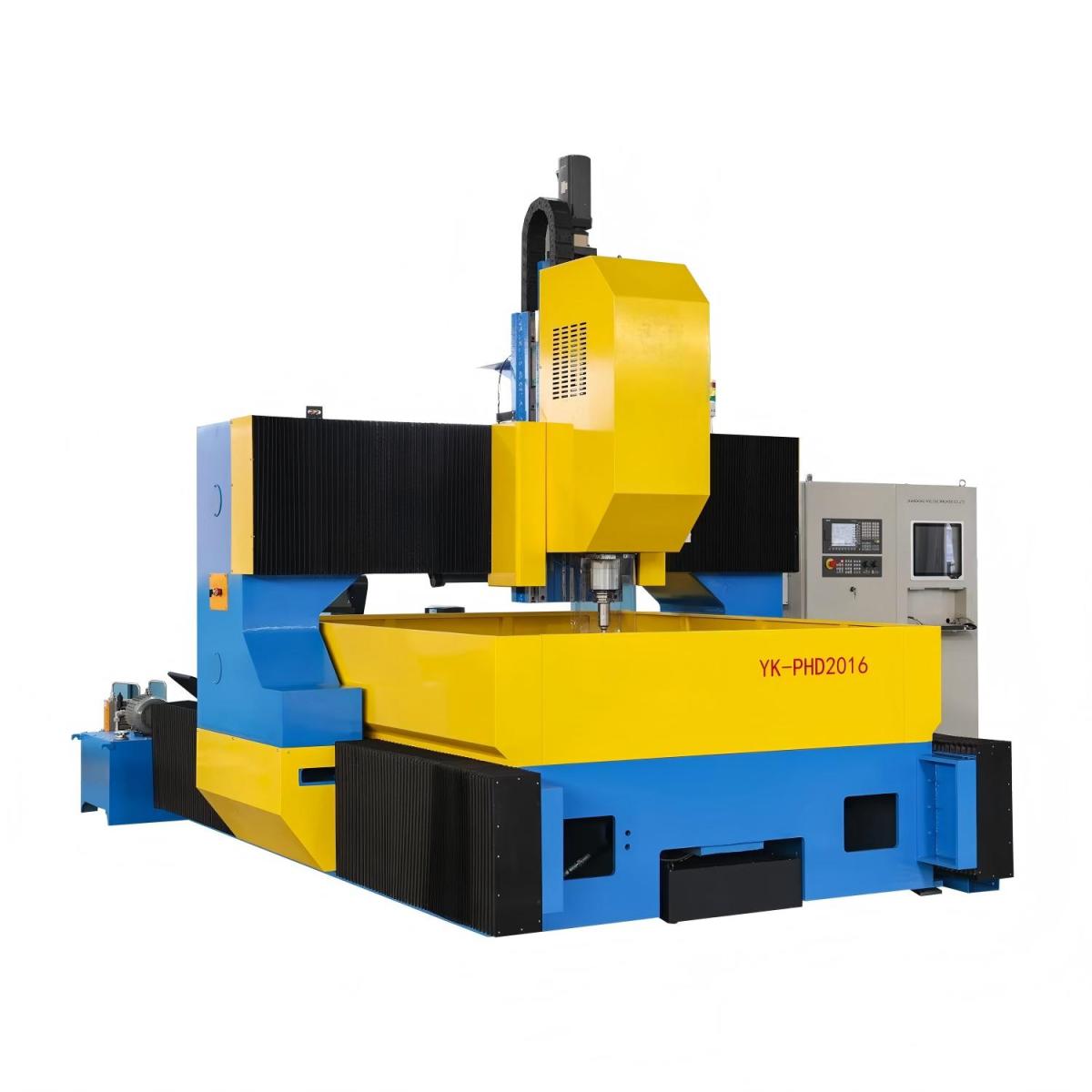
For procurement teams, understanding drilling and milling machine price factors is essential to controlling budgets and securing long-term value.
The total cost goes far beyond the initial quote.
It includes machine structure, spindle performance, tolerance level, controls, tooling, shipping, installation, training, and maintenance support.
That is why two machines with similar sizes can have very different prices.
In practice, the right buying decision depends on matching machine cost with actual production targets.
A lower quote may look attractive at first.
But if it brings unstable accuracy, frequent downtime, or weak service, the real cost quickly rises.
This guide explains what really drives drilling and milling machine pricing and how to compare suppliers with more confidence.
Base Machine Structure Sets the Price Floor
The first major cost factor is the machine body itself.
A drilling and milling machine built with heavy cast iron usually costs more than a lighter welded frame model.
That extra cost often pays back through better rigidity and vibration control.
Rigidity matters because it affects surface finish, hole quality, and tool life.
Machines designed for continuous industrial duty also use stronger guideways, bearings, and drive systems.
These are not minor upgrades.
They directly affect service life and repair frequency.
When comparing offers, ask about frame material, total weight, table load, and guideway type.
These details reveal why one drilling and milling machine quote starts higher than another.
Precision and Tolerance Requirements Add Significant Cost
Precision is one of the biggest price drivers.
If production needs standard workshop tolerances, many machines can meet that target.
If the job requires tighter repeatability, cost climbs quickly.
That higher price covers better ballscrews, stronger spindle balancing, improved measuring systems, and stricter assembly inspection.
It may also include laser calibration, test cuts, and documented acceptance reports.
From a purchasing view, the key question is simple.
Are you paying for precision your process truly uses?
Overbuying accuracy can waste budget.
Underbuying usually creates scrap, rework, and delayed delivery.
Spindle Power, Speed, and Travel Range Change the Cost Profile
A drilling and milling machine with higher spindle power usually costs more.
The same is true for wider speed ranges and longer axis travel.
These features expand application flexibility, but they also increase component and control costs.
For example, machining steel plates, molds, or structural parts may require more torque than light aluminum work.
Longer travel is valuable when part sizes vary.
Still, unused capacity becomes dead cost.
A practical supplier should ask for part drawings, material grades, daily output, and future expansion plans.
That discussion often leads to a better-fit drilling and milling machine instead of the most expensive model.
Automation, CNC Controls, and Software Influence Long-Term Value
Manual, semi-automatic, and CNC configurations sit in very different price bands.
A CNC drilling and milling machine typically costs more upfront because the control system, servo motors, and programming features add complexity.
However, the labor savings can be substantial.
CNC options usually improve consistency, reduce setup time, and support repeat jobs more efficiently.
This becomes even more important in mixed-batch production.
Software functions also affect total cost.
Features like tool compensation, memory capacity, remote diagnostics, and production data tracking are often priced separately.
In real sourcing work, buyers should compare not only the hardware list but also the control package version.
That is where hidden price differences often appear.
Tooling, Fixtures, and Auxiliary Equipment Are Often Underestimated
Many buyers focus on the machine quote and miss the supporting equipment budget.
That is a common reason project cost exceeds the original estimate.
A drilling and milling machine may need collets, vises, clamps, holders, cutters, coolant systems, and chip removal devices.
If special fixtures are required, cost increases again.
The same applies to transformers, air supply equipment, and floor foundation work.
Ask for a complete scope list before approval.
A reliable quote should clearly separate standard accessories, optional tooling, and site preparation requirements.
That makes supplier comparison much more realistic.
Compliance, Export Packaging, and Service Support Also Shape Price
Machines for export markets often cost more than domestic versions.
The reason is not only transport.
It also includes CE-related electrical design, safety guarding, documentation, and stronger packaging standards.
Suppliers with ISO9001-based production systems usually invest more in process control and traceability.
That cost can be worthwhile because it reduces acceptance risk.
After-sales support is another major price factor.
Spare parts availability, installation guidance, operator training, and response time all influence ownership cost.
A lower drilling and milling machine price means little if support delays stop production for days.
Related Line Equipment Can Affect Budget Planning
In many factories, the machine purchase is part of a wider production upgrade.
That means procurement should look beyond a single drilling and milling machine.
For structural steel fabrication, for example, upstream and downstream equipment can affect throughput and labor balance.
A useful reference is the H beam assembly machine used in an H beam production line.
Its configuration shows how line-level choices change total investment.
Customizable beam height, width, length, and thickness ranges support different engineering needs.
Automatic centering, PLC control, variable-frequency speed adjustment, and hydraulic drive improve stability and output rhythm.
That same logic applies when selecting machining equipment.
Features that reduce manual adjustment usually increase price, yet often lower production cost over time.
How to Compare Quotes Without Missing Hidden Costs
When several offers look similar, a structured review makes the difference.
Use this checklist during evaluation:
- Confirm spindle power, speed range, and travel against actual parts.
- Check repeatability, inspection method, and acceptance standards.
- Separate standard accessories from optional tooling and fixtures.
- Review electrical standards, safety compliance, and export packaging.
- Ask about installation, training, warranty scope, and spare parts lead time.
- Estimate energy use, consumables, and expected maintenance intervals.
This process turns a simple price comparison into a real total cost review.
It also helps avoid buying a drilling and milling machine that fits the budget but misses production reality.
What Smart Cost Control Looks Like
The best purchase is rarely the cheapest quote.
It is the drilling and milling machine that balances precision, durability, support, and operating efficiency.
Buyers should define part range, tolerance needs, output targets, and service expectations before requesting final pricing.
That makes supplier feedback more accurate and easier to compare.
Wuxi Armada International Trade Co., Ltd supplies a broad range of mechanical equipment for fabrication and machining applications.
With manufacturing experience, export knowledge, and products aligned with ISO9001 and EU CE expectations, the company supports practical equipment selection.
Before placing an order, request a full technical proposal, accessory list, and service scope.
That final step is often what turns a fair price into a strong long-term investment.