
— —
How to Choose a Drilling and Milling Machine for Small Batch Production
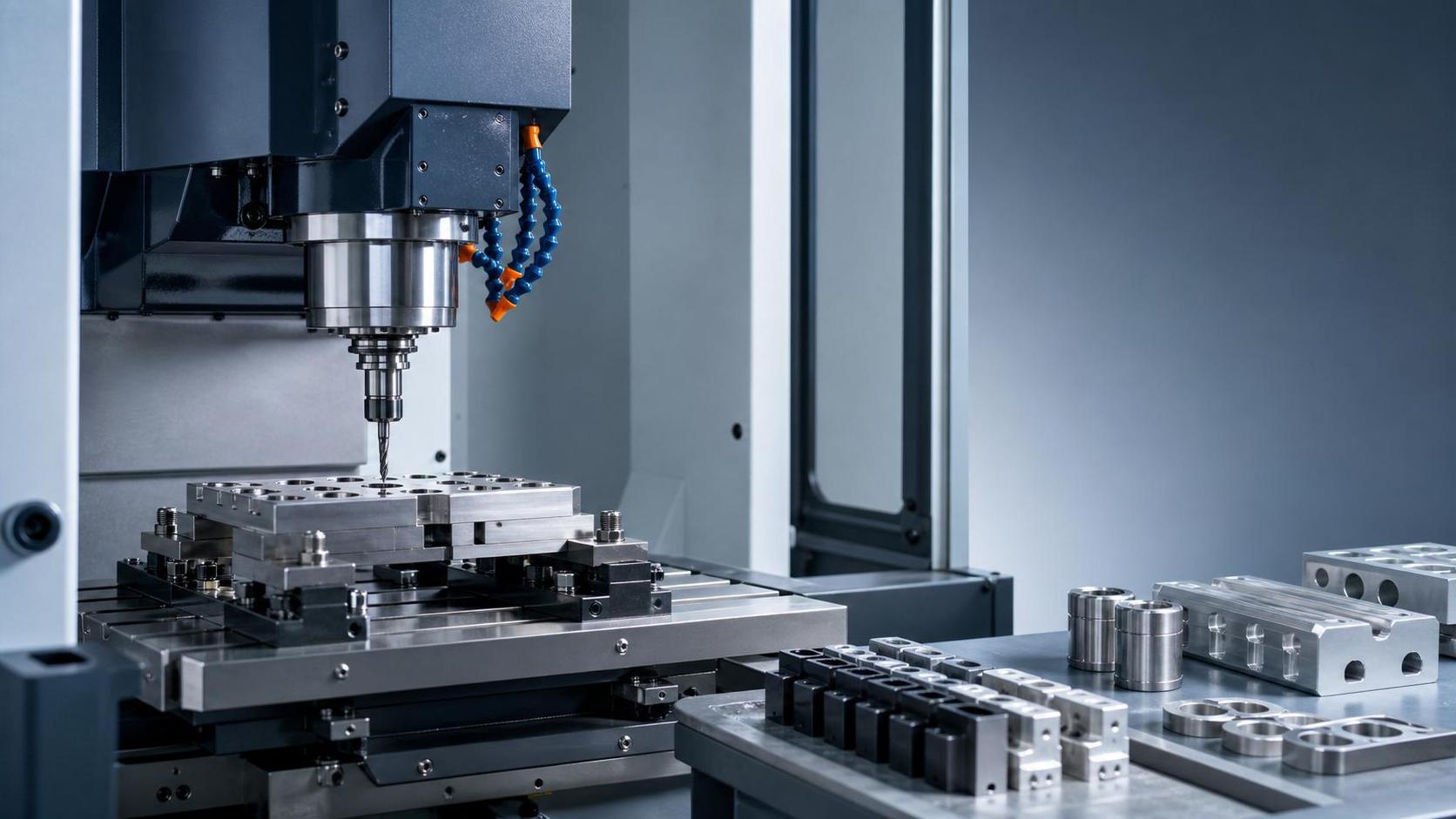
How to Choose a Drilling and Milling Machine for Small Batch Production
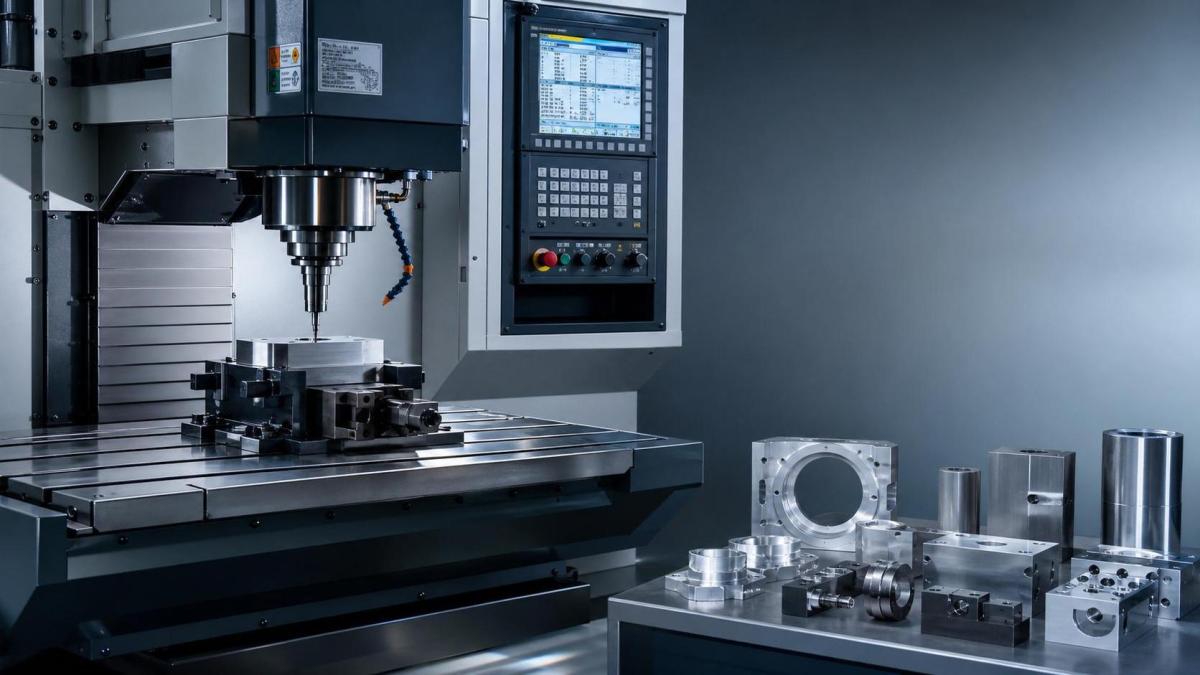
Choosing the right drilling and milling machine for small batch production requires a careful balance of precision, flexibility, efficiency, and cost.
Stable output matters, but so does the ability to switch jobs without wasting time.
That is why a good evaluation should look beyond basic power and table size.
In real production, the best drilling and milling machine is the one that keeps quality consistent across frequent changeovers.
It should also fit your material mix, operator skill level, and future capacity plan.
This guide breaks the decision into practical checkpoints, so selection becomes easier and less subjective.
Start with the Production Reality
Small batch production is rarely simple.
Orders often vary in part size, geometry, material, and tolerance requirement.
Because of that, a drilling and milling machine should be judged by flexibility first, then by peak performance.
Begin with a short production map.
- Typical workpiece dimensions and weight
- Main materials, such as steel, aluminum, or mixed alloys
- Required hole diameters and milling depths
- Expected tolerance range
- Daily job change frequency
- Target output per shift
This baseline helps prevent buying a machine that looks strong on paper but struggles in daily use.
More importantly, it tells you whether a manual, servo-assisted, or CNC drilling and milling machine makes the most sense.
Check Spindle Performance Carefully
Spindle performance sits at the center of machine selection.
A drilling and milling machine with the wrong spindle range will limit both accuracy and efficiency.
Look at these points together, not separately.
- Spindle speed range for different materials and cutter sizes
- Torque at low speed for larger drilling operations
- Runout stability for repeatable precision
- Cooling method for longer production cycles
For mixed jobs, broad speed coverage is often more valuable than an extremely high top speed.
Low-speed torque becomes especially important when working on thicker steel parts.
If the spindle loses stability under load, surface finish and hole quality will drift fast.
Match Travel and Table Capacity to Actual Parts
Oversized equipment is not always better.
An oversized drilling and milling machine can raise cost, floor space demand, and power consumption.
At the same time, undersized travel creates fixture compromises and extra setups.
Review X, Y, and Z travel against your largest part family, then add a realistic safety margin.
Table load capacity also matters more than many buyers expect.
Fixtures, vises, rotary tables, and multiple parts can quickly raise the total load.
If your jobs include longer structural components, support and clamping layout should be reviewed early.
In some workshops, upstream cutting quality also affects machining stability.
For example, clean and accurate blanks from an H beam cnc fiber laser cutting machine can reduce secondary alignment time before drilling or milling.
Evaluate Accuracy, Rigidity, and Repeatability
For small batch work, repeatability often matters more than absolute maximum speed.
A drilling and milling machine must hold dimensions across different setups, operators, and shifts.
Machine rigidity plays a major role here.
Frame structure, column design, guideway quality, and casting stability all influence vibration behavior.
A rigid structure supports tighter tolerances and better surface finish, especially during interrupted cuts.
When comparing models, ask suppliers for real positioning and repeatability data, not generic claims.
Then review how those numbers were tested.
Choose the Right Control Level
Control choice directly affects labor efficiency and setup consistency.
A manual drilling and milling machine may still fit low-volume repair work.
However, once part variety rises, CNC usually becomes the more stable option.
It improves program reuse, reduces human variation, and shortens changeover time.
A practical selection should review:
- Ease of programming and editing
- Memory for recurring jobs
- Compatibility with CAD or CAM workflows
- Operator training requirements
- Diagnostic and alarm visibility
This is also where system integration becomes relevant.
In mixed fabrication environments, CNC equipment that connects smoothly with digital workflows reduces handling errors.
That same logic is why automated cutting systems, including the H beam cnc fiber laser cutting machine, are often used upstream in precision manufacturing lines.
Do Not Ignore Tooling and Setup Time
In small batch production, setup can consume more time than machining itself.
That means a drilling and milling machine should be evaluated as a setup platform, not just a cutting platform.
Fast tool changes, clear datum access, and simple clamping can save hours every week.
Look for spindle interfaces and tooling systems already common in your plant or supplier network.
That makes spare toolholders and maintenance support easier to source.
You should also ask whether optional accessories are truly useful or just expensive extras.
- Automatic tool changer for repeat jobs
- Digital readout for faster manual positioning
- Coolant system for heat control
- Chip management for cleaner operation
- Workholding fixtures for part families
Compare Total Cost, Not Just Purchase Price
A lower initial price can be misleading.
The right drilling and milling machine should create stable value over years of use.
Look at ownership cost from several angles.
- Energy consumption
- Tool wear under normal load
- Service response time
- Spare parts availability
- Downtime risk
- Training and commissioning cost
Supplier capability matters here as much as machine specification.
Wuxi Armada International Trade Co., Ltd supplies mechanical equipment for global markets and follows ISO9001 quality system requirements and EU CE standards.
That background is useful when buyers need equipment consistency, design support, and practical communication during procurement.
Use a Short Evaluation Checklist Before Final Approval
Before approving any drilling and milling machine, summarize the decision with a simple scorecard.
This keeps the process objective and easier to defend internally.
- Does the machine match your main part range without oversizing?
- Can it hold the required tolerance during repeated changeovers?
- Will the control system reduce setup time in daily use?
- Are maintenance support and spare parts clearly available?
- Does the total ownership cost fit your production plan?
A sound drilling and milling machine selection is rarely about the biggest model or the lowest bid.
It is about choosing reliable capability that fits your actual workflow.
When precision, flexibility, and service support are aligned, small batch production becomes easier to control and easier to scale.
Use that logic as your final filter, and the right decision becomes much clearer.