
— —
How Should Buyers Compare Shearing Machine Quotes?
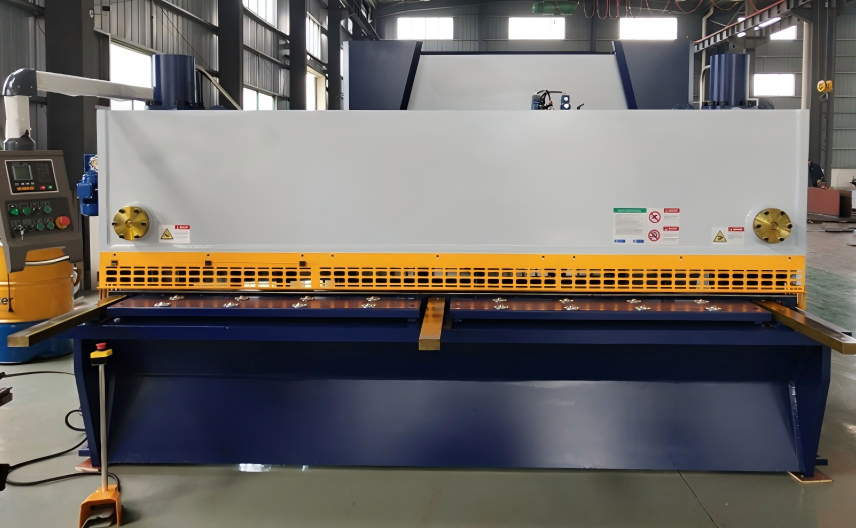
When comparing shearing machine quotations, buyers should look beyond the initial price and evaluate cutting accuracy, durability, energy use, and after-sales support. Whether you are researching the hydraulic guillotine shearing machine price 2026 or asking, How much can CNC shearing machine improve sheet metal yield rate?, a well-structured quote comparison helps reduce long-term costs and improve production efficiency.
For fabricators, steel service centers, HVAC workshops, and general sheet metal processors, a quote is not just a number. It is a condensed picture of machine structure, control level, blade quality, factory capability, delivery reliability, and future operating cost over the next 5 to 10 years.
In the manufacturing and processing machinery sector, buyers often receive 3 to 6 offers that appear similar on the surface. Yet differences in frame design, hydraulic components, backgauge precision, motor power, and commissioning scope can create large cost gaps after installation.
For international buyers, supplier response speed, export experience, packing method, CE-oriented design, and spare parts availability also matter. A lower quote can become expensive if it causes 2 weeks of downtime, excessive burrs, or unstable repeat accuracy after a few months.
Companies such as Wuxi Armada International Trade Co., Ltd, based in Wuxi, Jiangsu, operate in this environment by supplying metal fabrication equipment to buyers across Southeast Asia, Europe, the Americas, and Oceania. In such cross-border procurement, the best quote is usually the one with the clearest technical scope and the lowest total ownership risk.
What a Shearing Machine Quote Should Really Include
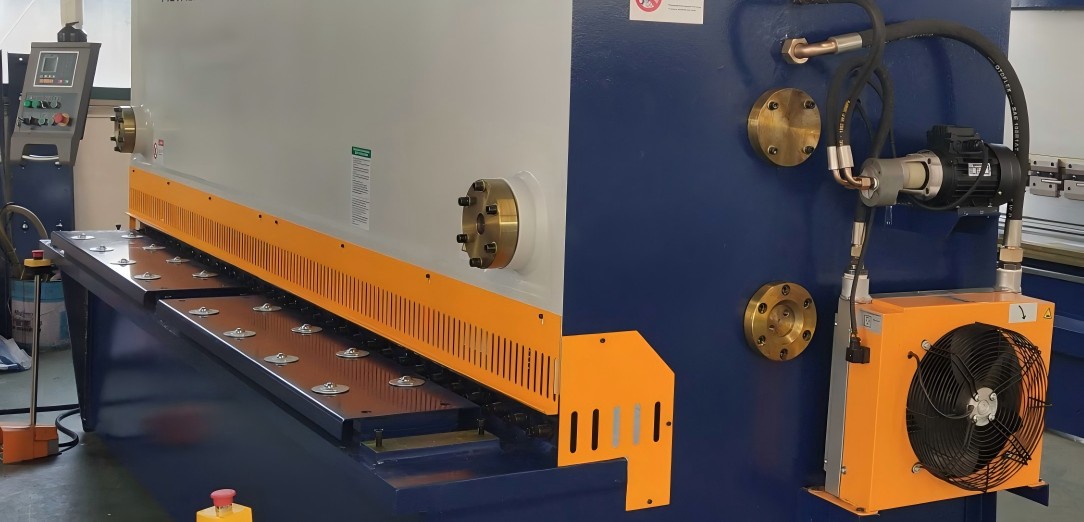
Before comparing numbers, buyers should confirm whether each quotation covers the same machine category. A hydraulic guillotine shear, a swing beam shear, and a CNC shearing machine may all be offered for similar plate sizes, but their cutting behavior, rigidity, and automation level differ significantly.
A useful quote should clearly list cutting capacity by material type, such as mild steel, stainless steel, and aluminum. For example, 6mm carbon steel capacity does not automatically mean 6mm stainless steel capacity. Material tensile strength directly affects real cutting limits and blade wear rate.
Core technical items buyers must verify
At a minimum, compare 8 core items: cutting thickness, cutting length, motor power, backgauge range, repeat positioning accuracy, blade material, hydraulic system brand, and controller type. Missing even 1 item can make two quotes impossible to compare fairly.
- Nominal cutting thickness and actual recommended working thickness
- Maximum cutting length, often 2500mm, 3200mm, 4000mm, or 6000mm
- Stroke rate, such as 10 to 20 strokes per minute
- Backgauge travel, commonly 500mm to 1000mm
- Control system level: manual, NC, or full CNC
- Blade clearance adjustment method: manual or automatic
- Safety configuration, including guards, foot pedal, and emergency stop
- Voltage, frequency, and compliance requirements for the destination market
Why hidden scope differences distort price comparisons
One supplier may include front support arms, pneumatic sheet support, shadow line lighting, and spare blades, while another quotes only the base machine. A price difference of 8% to 15% can come from accessories rather than machine quality alone.
The same issue applies to installation. Some exporters include parameter setting, remote guidance, manuals, and electrical drawings, while others leave commissioning entirely to the buyer. That can add extra labor cost and delay production by 3 to 7 days.
The table below shows the most common quotation elements that should be aligned before price comparison. Buyers can use it as a checklist when reviewing offers from 3 or more suppliers.
The key lesson is simple: compare like with like. If one quote includes CNC backgauge programming, CE-oriented safety features, and startup support, and another does not, the lower sticker price does not represent a lower procurement cost.
How to Evaluate the Real Cost Behind the Hydraulic Guillotine Shearing Machine Price 2026
Many buyers searching for the hydraulic guillotine shearing machine price 2026 want a forward-looking budget benchmark. The right approach is not to expect one universal number, but to break the quote into machine value, configuration value, logistics cost, and lifecycle operating cost.
For example, two 3200mm hydraulic guillotine machines rated for 6mm carbon steel may differ in price because of frame thickness, hydraulic valve brand, blade quality, motor efficiency, and backgauge repeatability. Those differences affect daily output and maintenance frequency over thousands of cycles.
Main factors influencing 2026 pricing
In most export markets, 6 major variables shape pricing trends: raw material cost, hydraulic component sourcing, controller level, labor cost, freight conditions, and required compliance documents. Even a 5% rise in steel plate cost can affect the final machine quotation in a measurable way.
- Frame size and welding structure
- Hydraulic and electrical component quality
- NC or CNC automation level
- Optional pneumatic or motorized sheet support systems
- Export packaging standard and shipping route
- Warranty scope and spare parts package
Why lower machine price can mean higher annual cost
If a lower-priced machine consumes more power, requires blade adjustment every week, and delivers inconsistent edge quality, annual cost rises quickly. In a workshop running 2 shifts per day, small inefficiencies can accumulate across 250 to 300 operating days each year.
Maintenance intervals matter as well. Stable hydraulic seals, proper lubrication points, and reliable electrical parts can reduce unplanned stoppages. Even one 6-hour interruption can affect downstream bending, welding, and assembly schedules.
The next table helps buyers compare quotation logic beyond the initial purchase amount, especially when budgeting for the hydraulic guillotine shearing machine price 2026 in competitive fabrication environments.
When buyers evaluate price this way, they stop asking only “Which offer is cheaper?” and start asking “Which machine gives the best cost per usable cut over 3 to 5 years?” That shift usually leads to more reliable investment decisions.
How Much Can CNC Shearing Machine Improve Sheet Metal Yield Rate?
This is one of the most practical procurement questions in sheet metal production. How much can CNC shearing machine improve sheet metal yield rate? The answer depends on material mix, operator skill, batch size, and whether the current process is manual, NC-assisted, or already semi-automated.
In common fabrication conditions, CNC shearing machines can improve sheet utilization by reducing setup error, minimizing repeated measuring, and keeping backgauge positioning consistent. In operations with frequent size changes, yield improvement often becomes more visible than raw cutting speed gain.
Where yield gains usually come from
Yield rate does not improve because CNC is simply more advanced. It improves because process variation becomes smaller. A CNC backgauge can maintain repeat positioning within a tighter range, helping operators cut nested batches with less trial material and fewer dimension corrections.
- Fewer first-piece errors during short runs
- Reduced overcut or re-cut caused by manual stop adjustment
- More stable repeat dimensions across 20, 50, or 100 sheets
- Better coordination with bending and downstream assembly dimensions
- Lower scrap percentage on stainless or pre-coated sheet
Typical yield improvement ranges buyers can use
Without claiming one fixed industry statistic, many workshops use practical ranges for internal planning. If the current process is highly manual, moving to CNC control may improve usable sheet yield by roughly 2% to 8%, depending on part complexity and operator consistency.
For repetitive parts with narrow tolerance requirements, the gain may be modest but still valuable. On high-value materials, even a 2% reduction in scrap can justify a higher machine quote over 12 to 24 months of production.
The table below shows how buyers can think about the relationship between production type and expected yield improvement when asking, How much can CNC shearing machine improve sheet metal yield rate?
The strongest business case appears when material cost is high, batches change often, and downstream processes require stable dimensions. In those cases, CNC value should be measured not only by labor savings, but by scrap reduction and process predictability.
A Practical 5-Step Method for Comparing Supplier Quotations
A disciplined comparison process helps buyers avoid costly assumptions. Whether you are sourcing from China, Europe, or a regional distributor, using the same review method across all offers improves negotiation quality and shortens decision time.
Step 1: Define your real production requirement
List your top 5 operating conditions: material type, maximum thickness, common sheet width, daily production volume, and tolerance expectation. If 80% of your work is 3mm to 4mm mild steel, do not overpay for extreme capacity that will rarely be used.
Step 2: Standardize the comparison sheet
Ask every supplier to quote against the same requirement sheet. Include power standard, destination country voltage, required documentation, target delivery window, and whether installation guidance is needed. This alone can remove 30% of quote ambiguity.
Step 3: Score technical fit before price
Use a weighted system such as 40% technical suitability, 25% price, 15% delivery, 10% service response, and 10% export experience. This method works especially well when evaluating suppliers with different machine philosophies and support depth.
Step 4: Confirm service and spare parts response
A serious supplier should define warranty duration, recommended spare parts list, technical response time, and documentation package. For export projects, a 24 to 48 hour initial response target is often more valuable than a vague promise of “full support.”
Step 5: Review total landing cost
Final comparison should include machine price, packing, sea or rail freight if applicable, customs-related handling, installation needs, and expected consumables cost. In many projects, the landing gap between two quotes can differ by 10% or more from the ex-works gap.
Common mistakes buyers should avoid
- Comparing only machine tonnage or thickness without checking cutting accuracy
- Ignoring blade clearance adjustment method and operator convenience
- Assuming all CE-related or export-ready machines have the same safety scope
- Not confirming whether consumables and wear parts are easy to source locally
- Choosing the fastest lead time without checking factory execution capability
For B2B buyers, the strongest quotation is usually transparent, technically specific, and easy to audit. Clear scope reduces disputes, accelerates approval, and helps finance teams understand why one offer represents lower long-term operating risk.
Why Supplier Capability Matters as Much as Machine Specification
Even with a good machine design, poor execution can weaken the value of any quotation. Buyers should evaluate whether the supplier understands fabrication workflows, export standards, and the interaction between shearing, bending, welding, and downstream assembly.
A company active in multiple categories of metal processing equipment can often provide more practical advice on line matching, operator habits, and future expansion. This matters when the buyer plans to add press brakes, deburring machines, or CNC cutting equipment within 1 to 3 years.
What buyers should ask the supplier directly
- Can you explain the difference between recommended capacity and maximum rated capacity?
- What wearing parts should we stock for the first 12 months?
- How do you support installation and commissioning for overseas customers?
- What documents are included: manuals, wiring diagrams, foundation guidance, packing list?
- How is the machine tested before shipment?
Why global delivery experience reduces procurement risk
Suppliers familiar with Southeast Asia, Europe, North and South America, and Oceania are more likely to understand varying voltage standards, packing requirements, and documentation expectations. This can reduce avoidable friction during the shipping and installation phases.
Wuxi Armada International Trade Co., Ltd, located in Wuxi City, Jiangsu Province, benefits from proximity to Shanghai and long-term involvement in metal fabrication machinery. With equipment portfolios that include shearing machines, bending machines, plate rolling machines, leveling machines, laser cutting machines, CNC machine tools, and welding systems, the company is positioned to support buyers needing practical equipment matching rather than isolated machine sales.
Its business focus on ISO9001-organized production and EU CE-oriented standards is also relevant for buyers who need clearer process control and export-oriented documentation. In quotation review, these factors help buyers judge whether the supplier can support both delivery and long-term machine use.
Final Buying Advice for Smarter Quote Comparison
The best shearing machine quotation is rarely the cheapest line item. It is the offer that balances cutting quality, repeat accuracy, usable automation, energy efficiency, service responsiveness, and realistic delivery performance for your actual production schedule.
If you are evaluating the hydraulic guillotine shearing machine price 2026, treat the quote as a full operating package, not just a capital purchase. If you are asking, How much can CNC shearing machine improve sheet metal yield rate?, look at scrap reduction, setup stability, and downstream fit-up quality in addition to cycle time.
A structured comparison across 4 dimensions, technical fit, total cost, support capability, and future scalability, will usually lead to a more profitable decision than price-only sourcing. For workshops planning growth, this approach also creates better compatibility with future fabrication equipment investments.
If you need a tailored comparison sheet, detailed machine configuration guidance, or support selecting the right shearing solution for your material range and production volume, contact us today to get a customized proposal and learn more about suitable metal processing solutions.