
— —
How to Choose a Drilling Machine for Metalworking Jobs
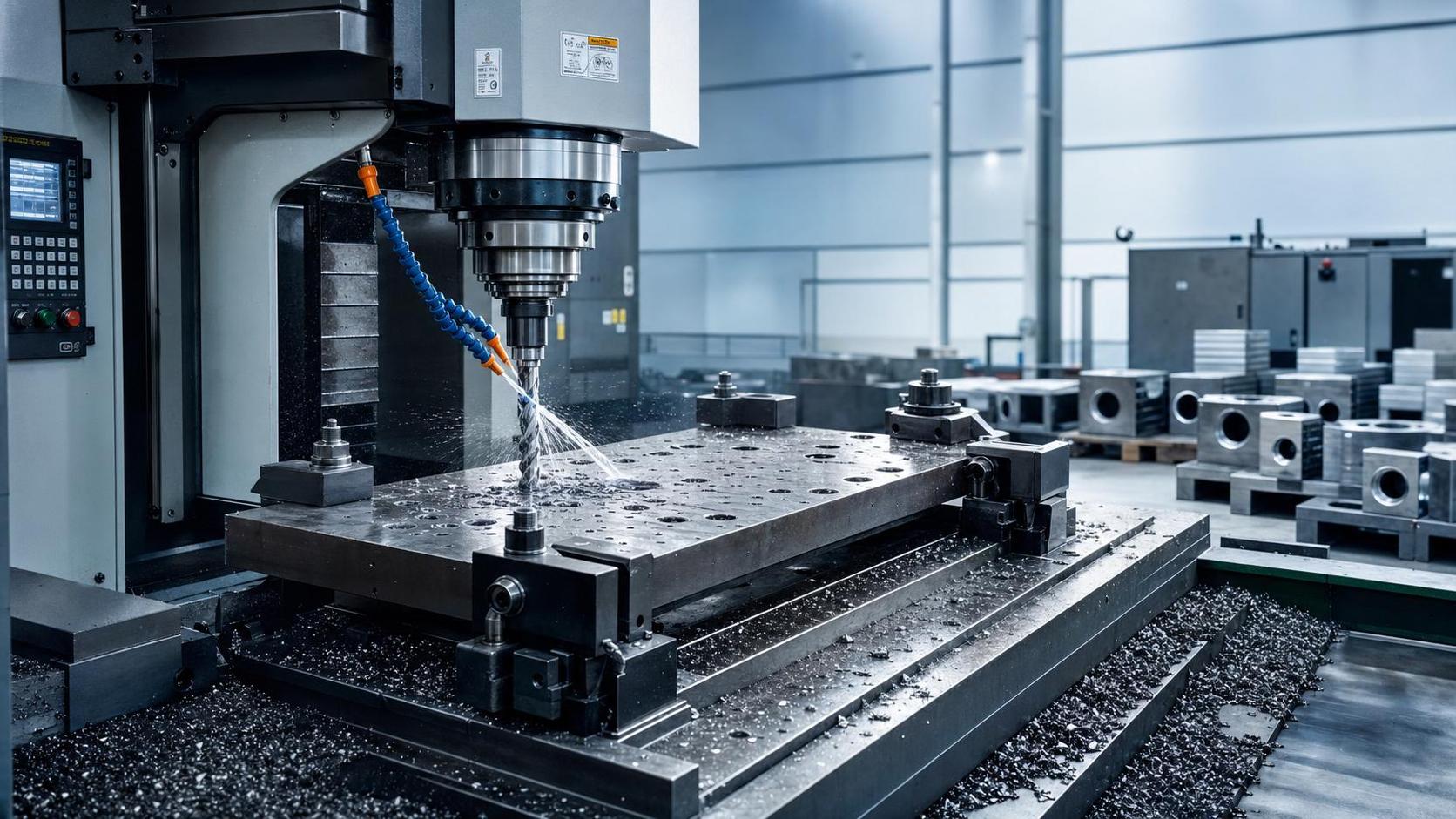
How to Choose a Drilling Machine for Metalworking Jobs
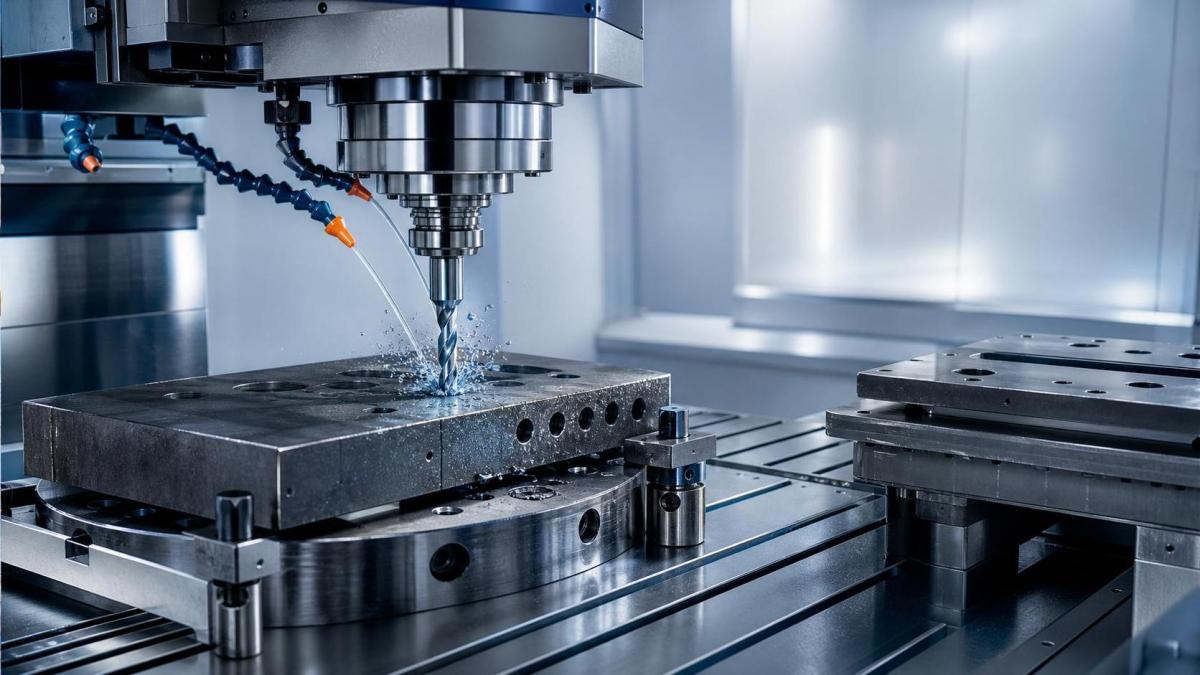
Choosing the right drilling machine for metalworking jobs requires more than comparing price tags or spindle speed.
A solid decision depends on material type, tolerance, workload, rigidity, automation, and long-term service stability.
In real production, the wrong drilling machine often creates hidden costs before it creates obvious failures.
Tool wear rises, cycle time slips, hole quality varies, and downstream assembly starts to absorb the damage.
That is why a technical review should begin with the job itself, not the brochure headline.
A capable drilling machine should match your parts, your process flow, and your production targets.
Start with the Actual Metalworking Task
The first question is simple: what exactly will this drilling machine do every day?
Drilling mild steel plates is very different from processing stainless steel blocks or structural sections.
Material hardness affects torque demand, spindle load, heat generation, and tool life.
Part thickness matters too, especially when deep holes require stable feed and chip evacuation.
Hole diameter range should also be defined early, because machine capacity is not just about maximum drill size.
You should clarify these points before comparing models:
- Material grade and hardness range
- Typical hole diameter and maximum diameter
- Hole depth and depth-to-diameter ratio
- Tolerance for position, diameter, and perpendicularity
- Expected daily output and shift pattern
- Single-piece, batch, or continuous production
Once this baseline is clear, drilling machine selection becomes much more objective.
Match Machine Type to Production Needs
Not every drilling machine fits every workshop layout or production style.
Bench and upright models work for lighter jobs, prototypes, and repair tasks.
Radial drilling machines support larger parts where reach and positioning flexibility matter.
CNC drilling machines are better when repeatability, multi-hole patterns, and lower operator dependence are priorities.
For structural fabrication, a plate or beam-focused drilling solution may outperform a general-purpose design.
From a decision standpoint, this is where many buyers either save time or create future bottlenecks.
A versatile machine sounds attractive, but overspecification can increase cost without improving useful output.
At the same time, an undersized drilling machine may force slower feeds and unstable quality.
Focus on Rigidity, Accuracy, and Spindle Performance
For metalworking jobs, rigidity is usually the dividing line between acceptable and dependable results.
A drilling machine with weak structural support will vibrate under load and compromise hole quality.
That means poor roundness, tool chatter, burr growth, and inconsistent surface finish.
Look closely at the column, base, table design, spindle housing, and feed system stability.
Spindle speed range should suit both smaller holes and larger drilling operations.
Torque at lower speed is especially important for harder materials and larger diameters.
Feed control also deserves attention because stable feed directly affects tool life and dimensional consistency.
If high accuracy is required, evaluate spindle runout, repeat positioning, and table alignment under real load.
Catalog claims are useful, but test cuts reveal much more than static numbers.
Check Workflow Integration, Not Just Standalone Specs
A drilling machine should fit into the line as smoothly as it fits the drawing.
That includes loading method, clamping speed, chip removal, coolant support, and part transfer.
In many factories, productivity losses come from handling delays rather than spindle limitations.
This becomes more obvious when drilling is followed by tapping, milling, bending, or welding.
For example, shops processing formed sheet or fabricated assemblies often review drilling equipment alongside bending resources.
In that context, a related solution such as Torsion bar synchronize CNC press brake may matter in the broader process plan.
Its full steel welding structure supports rigidity, while hydraulic transmission and torsion shaft synchronization improve bending stability.
That matters when hole position must stay compatible with downstream formed geometry.
The wider lesson is straightforward: drilling machine selection should support the whole route, not one isolated station.
Evaluate Automation and Control Level Carefully
Automation is valuable when it removes variation, reduces setup time, or supports traceable consistency.
It is less useful when software complexity exceeds the actual production need.
A CNC drilling machine can deliver faster changeovers and better repeatability for hole patterns.
However, control architecture, programming method, and operator familiarity should all be reviewed in advance.
Ask practical questions during evaluation:
- How long does a new job setup take?
- Can offsets and parameters be adjusted quickly on the shop floor?
- Is the interface clear for daily operators and maintenance staff?
- Are alarms informative or vague?
- Can the drilling machine store common programs reliably?
These points influence uptime more than a long feature list.
Do Not Ignore Maintenance and Service Access
A drilling machine is easy to buy once, but it must be easy to support for years.
This is where long-term value becomes visible.
Check lubrication points, spindle access, electrical layout, and wear part replacement time.
Ask whether critical components are standard, branded, and locally supportable.
A technically advanced drilling machine loses value quickly if spare parts are slow or unclear.
The supplier should also provide documentation that is useful in actual maintenance work.
Wuxi Armada International Trade Co., Ltd focuses on mechanical equipment for fabrication and machining applications.
Its portfolio covers welding systems, CNC cutting equipment, milling machines, lathes, laser machines, and metal forming lines.
Production and design are organized under ISO9001 quality management and EU CE standards.
That kind of manufacturing discipline is relevant when equipment must perform consistently across export markets and demanding job environments.
Use a Simple Comparison Table Before Final Selection
A side-by-side matrix helps convert a broad review into a decision.
This structure keeps the drilling machine decision tied to measurable production value.
Final Decision: Choose for Stability Over Spec Inflation
The best drilling machine is not the one with the longest specification sheet.
It is the one that delivers stable hole quality, predictable uptime, manageable maintenance, and efficient workflow integration.
For metalworking jobs, selection should balance capacity, rigidity, control level, and process fit.
A careful drilling machine review reduces production risk long before the machine reaches the shop floor.
Start with the part, verify the load conditions, compare real operating factors, and confirm support capability.
That approach leads to a drilling machine choice that supports both current orders and future production demands.