
— —
How to Choose a Guillotine Shear: Key Specs for Material, Thickness, and Cut Quality
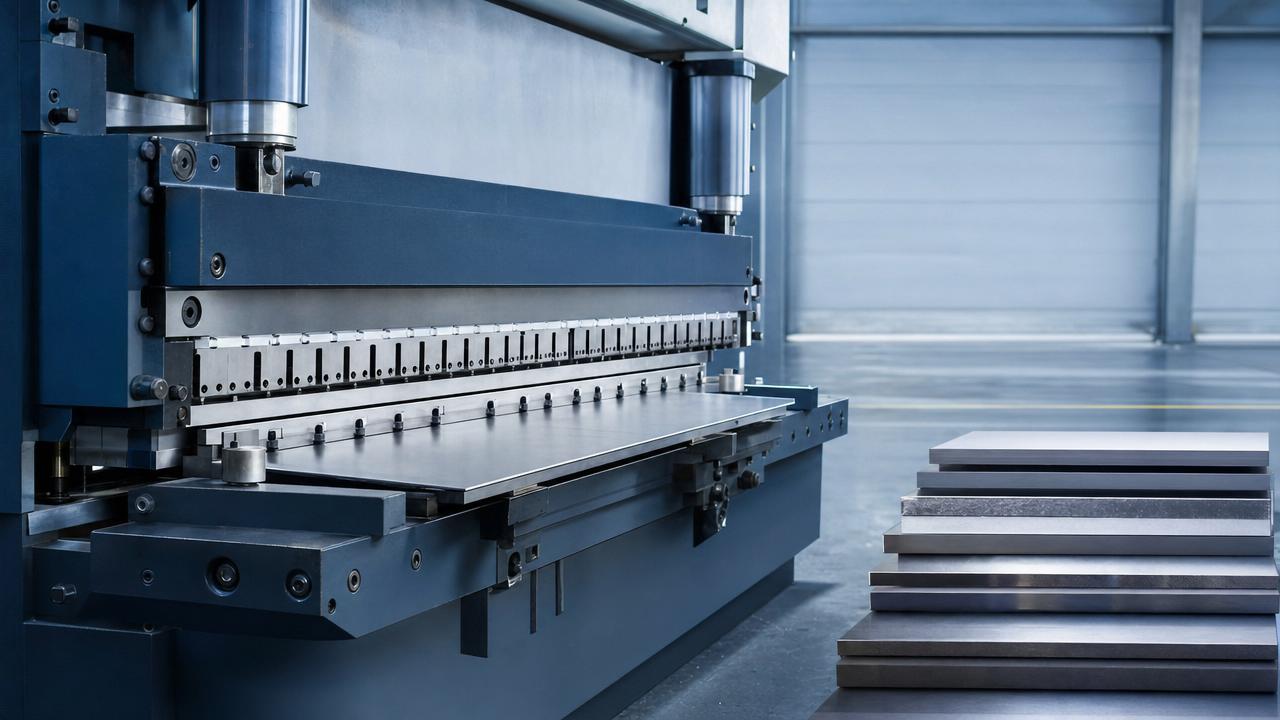
How to Choose a Guillotine Shear: Key Specs for Material, Thickness, and Cut Quality
Choosing the right Guillotine Shear takes more than comparing price tags or nominal power.
The real decision starts with material behavior, sheet thickness, and the cut edge your process actually needs.
A machine that looks strong on paper can still create burrs, twist thin sheets, or slow production.
That is why a proper Guillotine Shear evaluation should focus on matching machine specs to real workshop conditions.
This guide breaks down the core selection points, so you can compare options with more confidence and less guesswork.
Start with Material Type, Not Just Thickness
Thickness matters, but material type often changes the selection result more than buyers expect.
Mild steel, stainless steel, aluminum, and high-strength alloys do not shear the same way.
A Guillotine Shear sized for carbon steel may struggle when the job shifts to stainless or wear-resistant plate.
Higher tensile strength usually means greater cutting force, faster blade wear, and tighter setup tolerance.
In practical selection work, collect these material details before reviewing any quotation:
- Common material grades used each month
- Yield and tensile strength range
- Surface sensitivity requirements
- Frequency of mixed-material production
- Need for coated or polished sheet processing
This early step prevents under-specifying the machine and paying later through poor edge quality or frequent blade changes.
Define the Real Thickness Range
Many buyers ask for the maximum capacity first.
That number is useful, but it should never be the only benchmark for a Guillotine Shear decision.
A machine rated for occasional peak thickness may not perform efficiently on daily mixed jobs.
What matters more is the operating thickness band, not the highest number in the brochure.
A useful approach is to separate thickness into three planning levels:
- Routine thickness for most orders
- Heavy thickness for periodic jobs
- Absolute maximum thickness for rare demand
If eighty percent of work falls in the middle range, optimize for that condition first.
This improves cut consistency, energy efficiency, and operator control across the jobs that matter most.
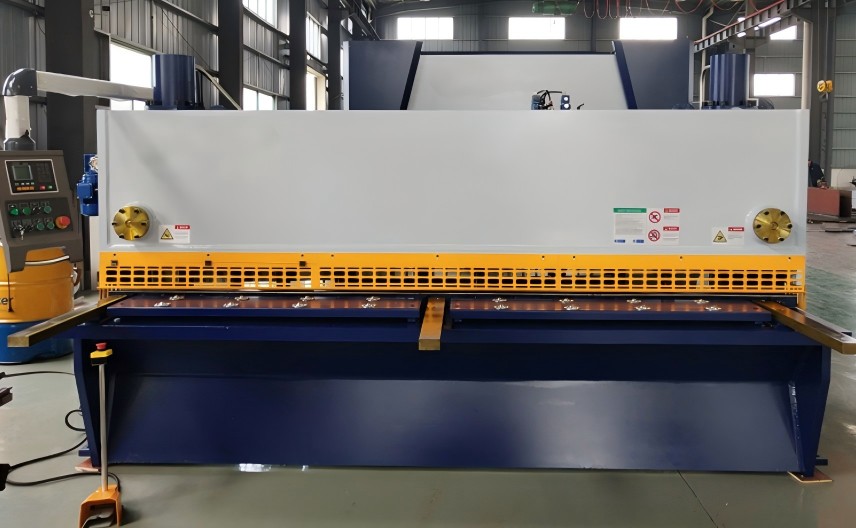
Check Cutting Length Against Nesting and Workflow
Cutting length is often treated as a simple dimensional requirement.
In reality, it affects layout flexibility, handling efficiency, and scrap control.
A Guillotine Shear with insufficient cutting length forces extra repositioning and raises alignment error risk.
An oversized machine, however, may occupy valuable floor space without improving throughput.
Review actual sheet formats, loading method, and downstream process flow before finalizing length.
- Standard sheet width and length
- Manual or automatic loading
- Need for front support or rear support
- Transfer distance to bending or welding
- Space for stacking finished blanks
Small mismatches here often create hidden labor cost that exceeds the original machine price difference.
Focus on Cut Quality Requirements Early
Not every operation needs the same cut edge.
For some parts, a functional cut is enough.
For others, edge straightness, burr level, and deformation directly affect later forming or welding.
That makes cut quality one of the most important Guillotine Shear selection criteria.
Ask suppliers how the machine controls these quality points:
- Blade clearance adjustment
- Rake angle setting
- Hold-down stability
- Backgauge repeatability
- Frame rigidity under load
- Blade material and grinding cycle
If the cut edge feeds directly into robotic welding or precision bending, quality tolerance becomes even more critical.
In those lines, upstream cutting variation usually shows up later as fit-up delay or weld inconsistency.
That is also why manufacturers serving integrated fabrication lines often compare shearing performance with later joining needs.
For example, companies handling pipe and plate fabrication may also evaluate automated systems like PPCW16 heavy duty Chuck Pipe Welding Station when planning process continuity.
Hydraulic Stability and Structural Rigidity Matter More Than Marketing Numbers
A Guillotine Shear is only as reliable as its frame, hydraulic system, and motion control.
On busy production floors, stability matters more than headline speed.
Look closely at frame construction, cylinder synchronization, guide rail quality, and vibration behavior during heavy cuts.
A rigid machine keeps the blade path predictable and helps maintain repeatable cut quality over time.
When comparing machines, ask practical questions instead of generic ones:
- How does the frame behave at near-maximum load?
- How is hydraulic pressure controlled during continuous cutting?
- What components are used in seals, valves, and guides?
- How easy is it to maintain accuracy after long production cycles?
These details usually separate a durable production machine from a machine that performs well only in demonstrations.
Review Automation Level and Control Functions
A modern Guillotine Shear should support repeatability, not just raw cutting force.
That means the control system deserves serious attention during evaluation.
Backgauge programming, stroke control, blade clearance setting, and job storage can reduce setup time significantly.
In high-mix production, these features often create more value than a small increase in top speed.
Useful control features include:
- CNC backgauge with stable repeat accuracy
- Stored material libraries
- Automatic blade gap adjustment
- Stroke optimization for short cuts
- Operator-friendly interface and diagnostics
- Maintenance reminders and alarm history
If labor training is a concern, better controls can shorten the path to stable production.
Do Not Ignore Blade Life, Maintenance, and Service Access
Purchase cost is only one part of Guillotine Shear ownership.
Long-term value comes from uptime, consumable cost, and maintenance simplicity.
Blade replacement frequency, lubrication access, and hydraulic maintenance intervals deserve early review.
A cheaper machine can become expensive if service access is poor or spare parts are slow to arrive.
This is especially important for export markets and distributed factory groups.
Wuxi Armada International Trade Co., Ltd supplies fabrication equipment to multiple global regions and organizes production under ISO9001 and EU CE requirements.
That kind of background matters when buyers need stable documentation, consistent quality, and service coordination across different machine categories.
Use a Practical Evaluation Checklist Before Final Approval
A strong selection process turns broad machine data into a clear approval path.
Before choosing a Guillotine Shear, confirm these decision points:
- Actual material mix matches rated machine capacity
- Routine thickness range aligns with best performance zone
- Cutting length fits sheet size and handling method
- Required cut quality matches blade and control capability
- Maintenance plan and spare part support are realistic
- Control functions suit production complexity
- Supplier quality system and export standards are verified
If your workflow includes downstream pipe joining, automation compatibility may also deserve review.
In such cases, equipment planning may extend beyond the Guillotine Shear itself to related welding and fabrication stations.
Systems such as the PPCW-16, designed for pipeline processing with TIG, MAG, and SAW options, show how upstream preparation and downstream welding can be evaluated as one production chain.
Final Decision: Choose for Process Fit, Not Brochure Appeal
The best Guillotine Shear is not the one with the biggest number or the lowest quote.
It is the one that fits your material profile, daily thickness range, cut quality target, and production rhythm.
A careful comparison now can reduce scrap, improve fit-up quality, and protect long-term operating cost.
When evaluating a Guillotine Shear, keep the decision practical.
Match the machine to the work, validate the details, and choose a supplier that can support the full lifecycle.
That approach usually delivers better cut performance, smoother production, and a more confident investment decision.