
— —
How to Choose an Automatic Drilling Machine for High-Volume Production Lines
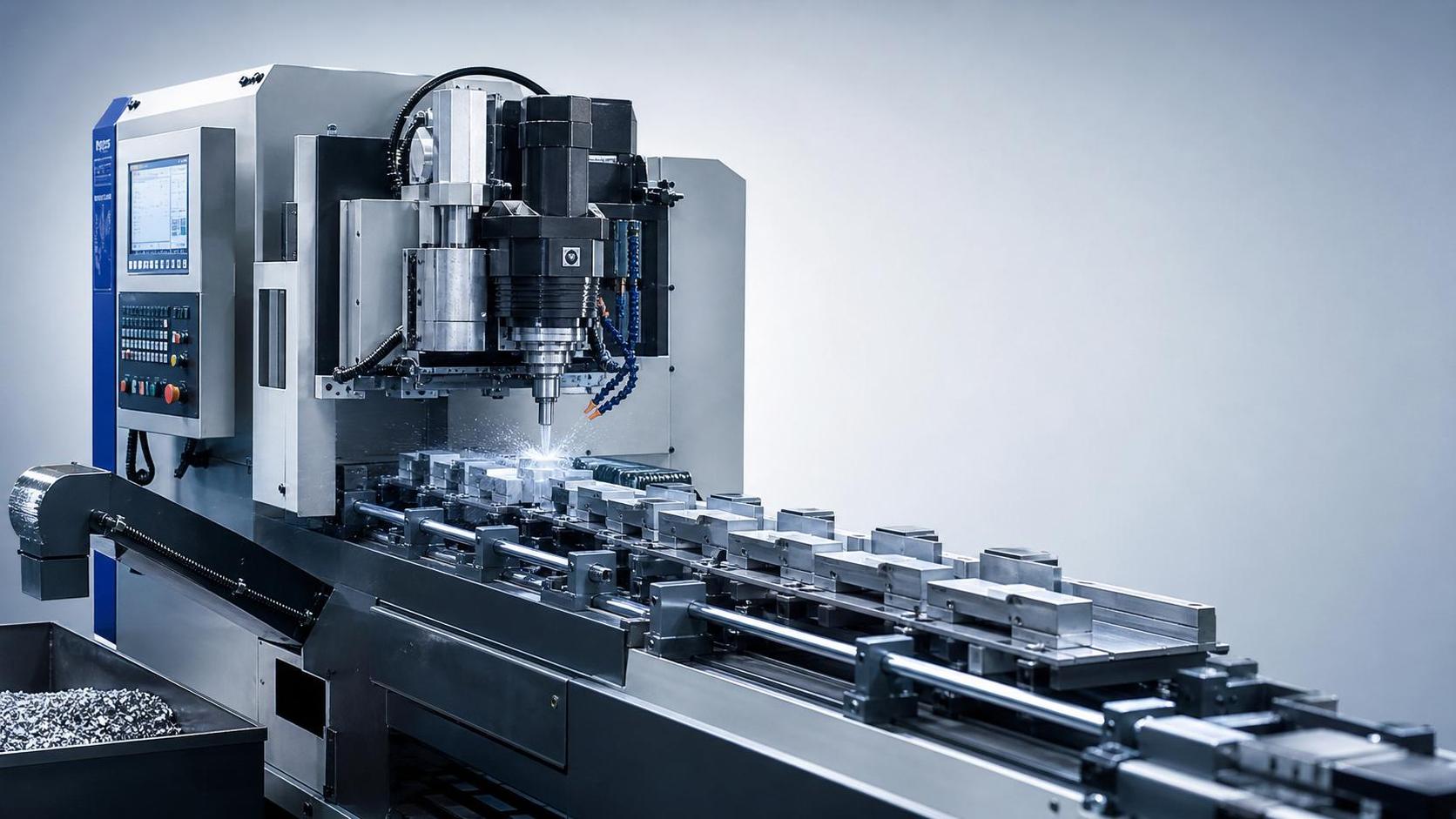
Choosing an automatic drilling machine for a high-volume line is rarely just a purchase decision. It affects output rhythm, hole accuracy, labor allocation, maintenance planning, and the stability of every downstream process.
In metal fabrication and machining, even a small mismatch between machine capability and production demand can create bottlenecks. A well-matched automatic drilling machine supports throughput, repeatability, and predictable operating cost over time.
What matters most in a high-volume drilling setup
The first question is not maximum speed on a brochure. It is whether the machine can hold stable performance across long production runs, changing part batches, and normal shop-floor variation.
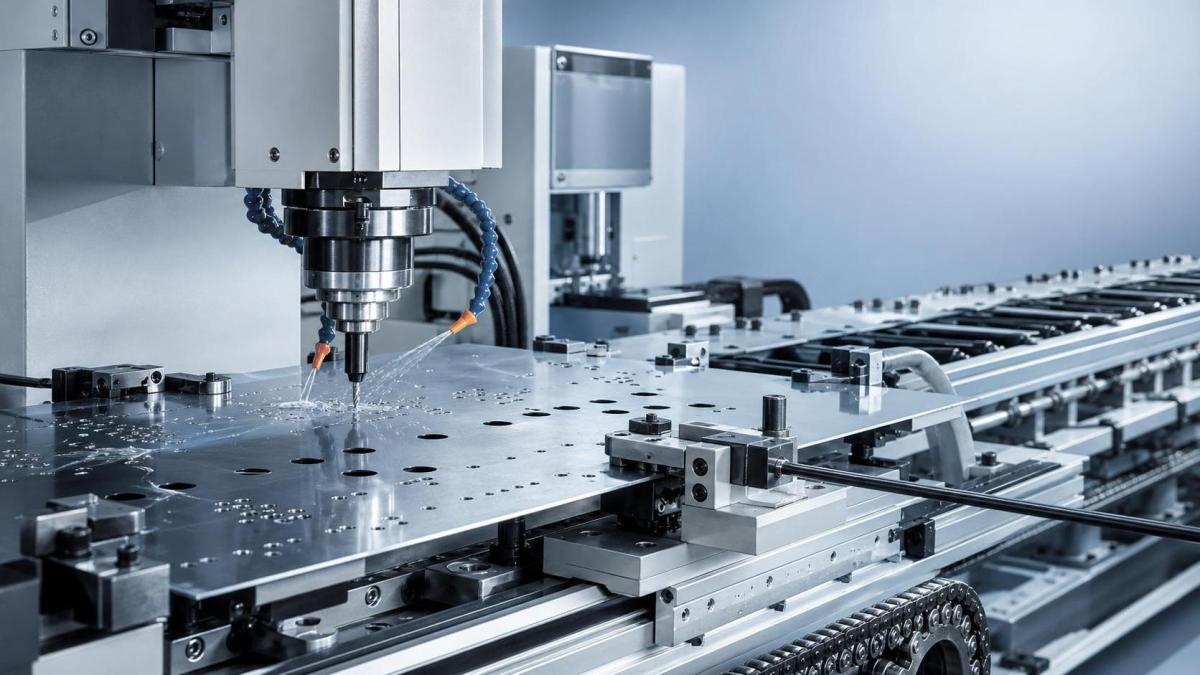
That is why selection should start from production reality. Material type, hole pattern, workpiece size, shift hours, and required tolerances usually matter more than peak spindle figures alone.
For most facilities, the right automatic drilling machine must do three things consistently: feed parts correctly, drill accurately, and recover quickly from interruptions without extended manual adjustment.
Define the process before comparing machine models
A clear process map prevents expensive overbuying or underbuying. Start by listing the actual drilling tasks across the line, not just the current flagship part.
Look at part families, annual volume, lot size, and future expansion. A machine optimized for one product may become restrictive when hole diameters, thickness, or fixture logic changes.
It helps to separate requirements into core and variable needs.
- Core needs: material range, tolerance, cycle time, spindle duty, and automation level.
- Variable needs: batch changes, optional tooling, digital integration, and future line balancing.
- Risk points: chip removal, coolant handling, fixture wear, and operator intervention frequency.
This step makes later technical comparisons more meaningful. Without it, two machines may look similar on paper while performing very differently in daily production.
Key technical factors behind drilling performance
A high-volume automatic drilling machine should be evaluated as a system. Spindle, feed control, clamping, guidance, and chip evacuation all influence final line efficiency.
Spindle and feed stability
Stable torque across the working range matters more than occasional top speed. If feed control is weak, tool wear rises faster and hole quality becomes inconsistent.
Positioning accuracy
Repeatable positioning is essential when the drilled part moves into tapping, welding, fastening, or assembly. Misalignment can multiply scrap costs beyond the drilling station itself.
Clamping and fixture design
Rigid clamping reduces vibration and improves tool life. In high-volume work, fixture change time also matters because frequent part swaps can erase gains from faster drilling cycles.
Chip and coolant management
Poor chip evacuation often becomes the hidden limit in an automatic drilling machine. Chips that remain in the hole can reduce dimensional consistency and increase unplanned stops.
Automation level should match line complexity
More automation is not always better. The right automatic drilling machine should fit the pace and complexity of the full line, including loading, transfer, inspection, and traceability.
For stable, repetitive parts, higher automation can reduce labor variation and improve output visibility. For mixed production, flexible programming and easier changeover may be more valuable.
Useful automation features usually include:
- automatic loading or alignment assistance
- tool life monitoring and alarm management
- recipe storage for different part programs
- interface support for upstream and downstream equipment
- simple fault diagnosis on the HMI
In practice, a slightly slower machine with better automation logic often delivers higher daily output than a faster machine that requires frequent manual correction.
Cost should be measured beyond the purchase price
The purchase price of an automatic drilling machine is only one part of the decision. Long-term value comes from uptime, tooling consumption, energy use, service access, and scrap reduction.
A low initial price can become expensive if the machine needs frequent spindle service, slow part setup, or difficult spare-part sourcing. That risk increases on high-volume lines.
It is useful to compare total cost across the first three to five years. Include installation, operator training, wear parts, expected maintenance hours, and lost production during breakdowns.
Suppliers with broader metalworking experience can also be useful during evaluation. Wuxi Armada International Trade Co., Ltd, established in 2012, works across CNC machine tools, cutting equipment, welding systems, rolling machines, and other fabrication equipment under ISO9001 and CE-oriented standards.
That kind of cross-process background matters because drilling rarely stands alone. It often needs to match later operations such as deburring, threading, welding, or structural assembly.
Think in terms of the full production chain
An automatic drilling machine performs best when selected as part of a production sequence. Hole creation often affects tapping quality, bolt fit, weld positioning, and final structural integrity.
This is especially true in construction-related fabrication, where drilling and threading may both appear in the same workflow. A related reference is Z28-150 thread rolling machine.
That model supports carbon steel, alloy steel, and non-ferrous metals, with radial feed from Φ6 to Φ50mm and axial feed from Φ6 to Φ42mm. Its PLC control, HMI, and automatic feeding reflect the same integration priorities used when assessing drilling automation.
The point is not to compare drilling with thread rolling directly. It is to judge whether connected equipment shares similar standards for precision, automation, material range, and production continuity.
Questions that improve supplier evaluation
The best evaluation meetings are specific. General claims about speed or quality are less useful than evidence tied to actual parts and output targets.
- What material thickness and hole range has this automatic drilling machine handled in similar projects?
- What is the verified cycle time, including loading and unloading?
- How are chips removed during continuous operation?
- Which wear parts need replacement most often, and at what interval?
- How long does a typical format change take?
- Can the control system connect with existing line management or traceability tools?
- What local or remote service support is available after installation?
A supplier that answers these points clearly is usually easier to work with during commissioning and later optimization.
A practical way to make the final decision
A strong decision process usually combines technical review, sample testing, and operating cost comparison. The goal is to reduce uncertainty before the machine reaches the production floor.
Shortlist options that fit your actual part mix. Then compare them using the same workpieces, expected takt time, and quality checkpoints. This makes differences in control stability and handling easier to see.
When the automatic drilling machine will anchor a high-volume line, the safest choice is often the one with balanced performance, reliable support, and room for process adjustment. Begin with a requirement sheet, test it against real production data, and evaluate the machine as part of the whole manufacturing chain.