
— —
How to Evaluate a Drilling Machine Supplier for Quality, Lead Time, and Support
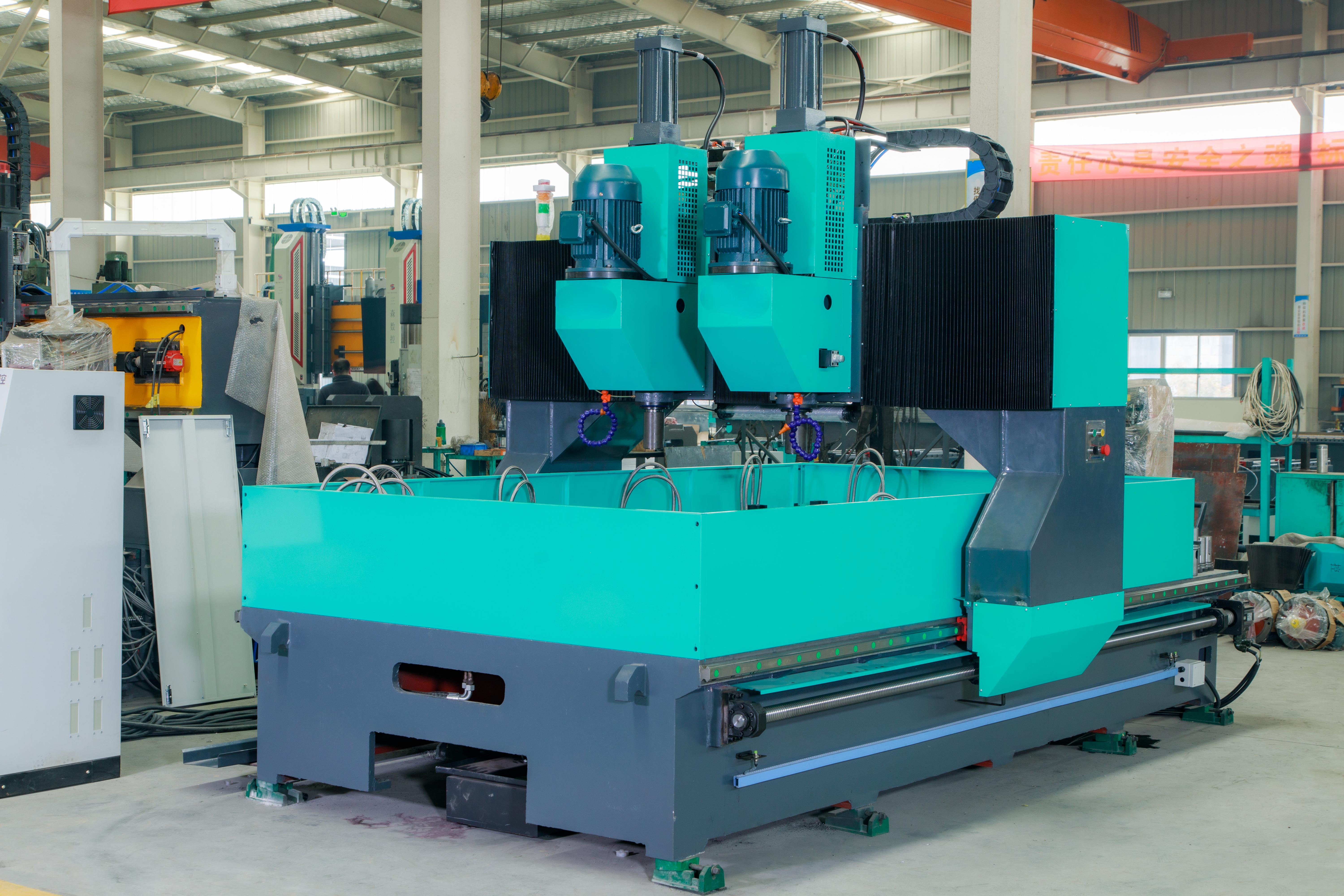
How to Evaluate a Drilling Machine Supplier for Quality, Lead Time, and Support
Choosing the right drilling machine supplier affects more than unit price. It shapes machining quality, delivery reliability, service response, and long-term operating cost.
For sourcing teams, a weak supplier often creates hidden losses. These usually appear as scrap, missed schedules, unstable output, and delayed spare parts.
A strong drilling machine supplier does the opposite. It reduces purchasing risk and helps keep production plans realistic, especially when demand changes quickly.
This guide explains how to compare suppliers in a practical way, with attention to quality control, lead time, support capability, and overall procurement value.
Start with Manufacturing Capability, Not Brochures
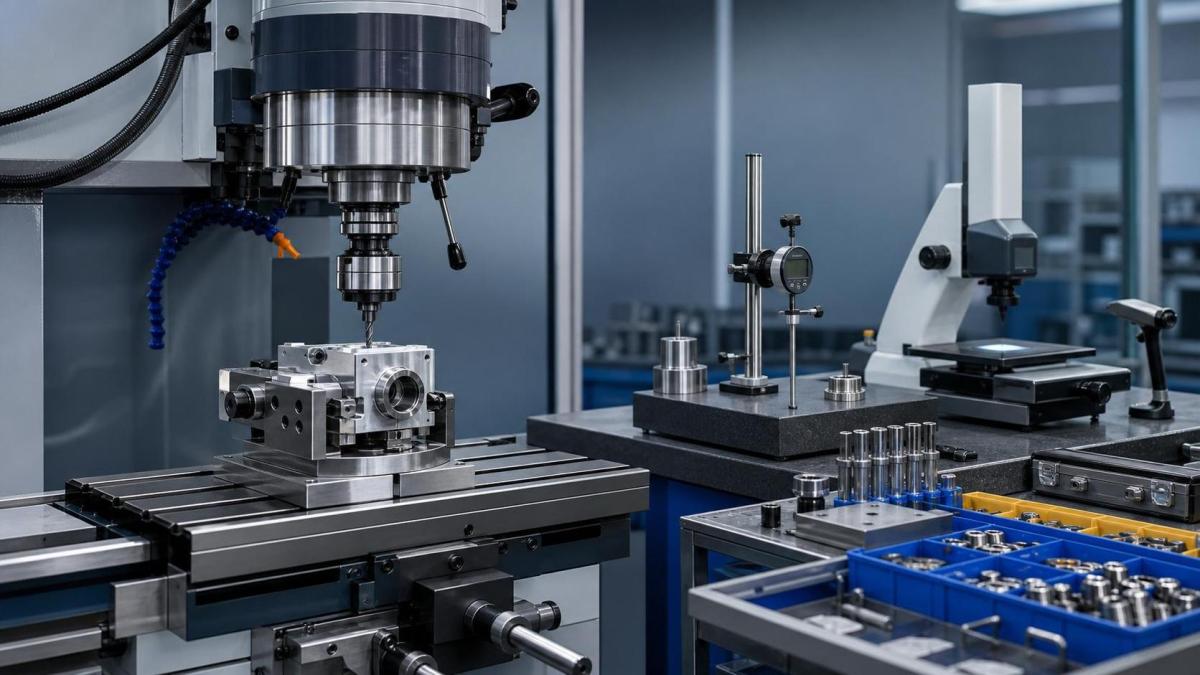
The first step is to verify what the drilling machine supplier can actually build. Catalogs are useful, but factory capability matters more than polished sales materials.
Look at production range, machining capacity, assembly process, and testing standards. A supplier with broad equipment experience usually handles customization more efficiently.
This matters in manufacturing machinery, where one project may require drilling, cutting, bending, or welding equipment from a coordinated source.
Wuxi Armada International Trade Co., Ltd, established in 2012 in Wuxi, Jiangsu, focuses on mechanical equipment and related products for global industrial buyers.
Its product scope includes CNC cutting machines, milling machines, CNC lathes, welding robots, laser cutting machines, H-beam production line equipment, and sheet metal machinery.
That wider manufacturing background can be a useful signal when comparing any drilling machine supplier, because it often reflects stronger engineering coordination and process discipline.
Check Quality Systems in Real Terms
A reliable drilling machine supplier should show documented quality systems, but paperwork alone is not enough. The key question is how those systems work in daily production.
Ask for evidence in four areas:
- Incoming inspection for castings, motors, control parts, and spindle components.
- In-process checks for alignment, drilling accuracy, vibration, and thermal stability.
- Final testing records before shipment.
- Traceability for major purchased parts and critical assemblies.
ISO9001 certification is a strong baseline. CE compliance is also important for many export markets, especially when machine safety and documentation affect customs and end-user acceptance.
In practical terms, the best drilling machine supplier will explain tolerances clearly. It should also define what is tested, how it is measured, and who approves release.
If answers stay vague, quality risk is usually higher than the quotation suggests.
Evaluate Lead Time Beyond the Quoted Delivery Date
Many buyers compare only the promised shipping date. That is too narrow. A capable drilling machine supplier should break lead time into visible stages.
Useful checkpoints include engineering confirmation, raw material preparation, machining, assembly, testing, packing, and export documentation.
This level of detail makes schedule risk easier to judge. It also shows whether the supplier truly controls production or simply coordinates subcontractors.
Ask these questions during evaluation:
- What is the standard lead time for base models?
- Which parts create the longest delay?
- How often does the quoted lead time change after deposit?
- Can the supplier share past on-time delivery performance?
- What happens if a component shortage affects the schedule?
A trustworthy drilling machine supplier usually answers directly and provides mitigation options. These may include safety stock, approved substitute brands, or milestone reporting.
More importantly, realistic lead time is better than aggressive promises that collapse after order placement.
Review Technical Support Before You Need It
After-sales support often decides whether a machine keeps earning value. This is where many buyers discover the real difference between suppliers.
A dependable drilling machine supplier should support installation, operator training, maintenance guidance, troubleshooting, and spare parts planning.
Ask for a clear service structure:
- Response time for technical questions.
- Remote support availability.
- Spare parts list with delivery timing.
- Warranty scope and exclusions.
- Availability of English manuals and electrical drawings.
This is also a good point to judge technical depth. Suppliers with experience across multiple machine categories often handle application questions more effectively.
For example, operations using drilling equipment may also need tube forming solutions for related projects in power engineering, railway construction, ships, or furniture production.
In those cases, broader process knowledge can save sourcing time. One example is the CNC hydraulic pipe bending machine.
It uses PLC control, hydraulic bending, servo-driven feeding and rotation, touchscreen operation, and multi-axis coordination for accurate and repeatable production.
When a supplier can explain both drilling and adjacent machine processes well, support quality tends to be more useful in real production environments.
Compare Total Cost, Not Just Purchase Price
The cheapest drilling machine supplier is not always the lowest-cost option. Procurement value depends on operating life, downtime, maintenance needs, and output consistency.
A practical cost review should include:
This is where supplier honesty matters. A strong drilling machine supplier will discuss service parts, wear items, and expected maintenance cycles before the order is signed.
That kind of transparency usually signals lower lifecycle risk.
Use a Supplier Scorecard for Faster Decisions
A scorecard keeps comparison objective. It also helps internal approval when several departments influence supplier selection.
Score each drilling machine supplier on a simple scale, such as 1 to 5, in these categories:
- Manufacturing capability
- Quality control system
- Lead time reliability
- Technical support
- Certification and export readiness
- Total cost of ownership
- Communication speed and clarity
Communication deserves more weight than many buyers expect. Delays in answers often become delays in engineering approval, dispatch, and after-sales resolution.
Recent sourcing changes make this even more important. More projects now require flexible coordination across standards, applications, and export documentation.
A drilling machine supplier that responds clearly and consistently is easier to work with when timelines tighten.
Final Checks Before Placing the Order
Before final selection, request a complete quotation package. It should cover specifications, optional items, acceptance standards, warranty, delivery terms, and support conditions.
Then confirm these final points:
- Machine configuration matches the actual production need.
- Testing standards are written into the agreement.
- Lead time milestones are visible.
- Critical spare parts are identified.
- Support contacts are confirmed before shipment.
In the end, the best drilling machine supplier is not simply the one with the lowest quote. It is the one that can deliver stable quality, dependable timing, and practical support.
That combination protects budgets better than short-term price savings. It also creates a stronger base for repeat orders and smoother factory performance.
Use this evaluation approach as a working checklist. It will help turn supplier comparison into a more confident, cost-aware, and lower-risk sourcing decision.