
— —
Radial Drilling Machine Market Trends to Watch in 2026
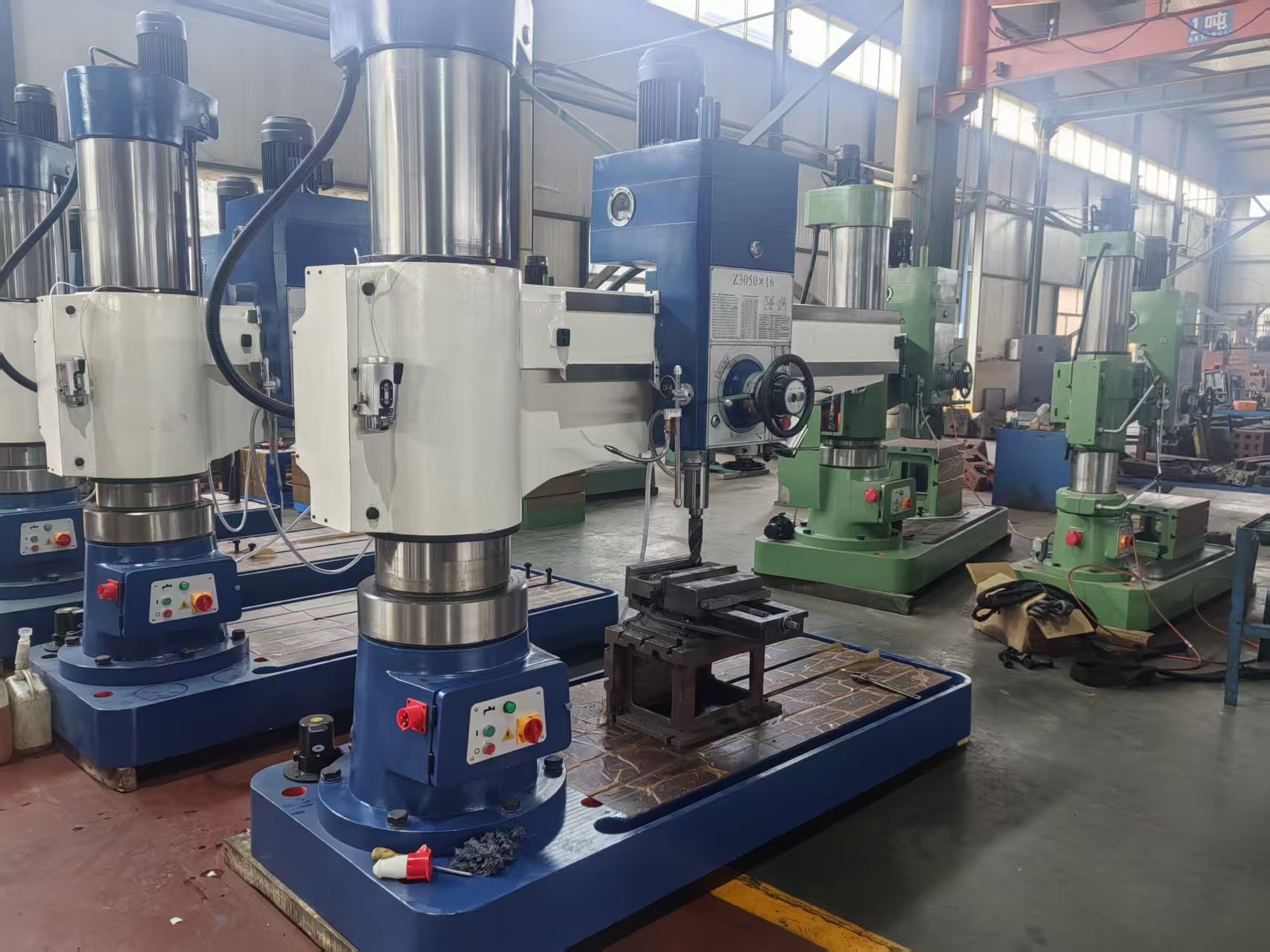
Radial Drilling Machine Market Trends to Watch in 2026
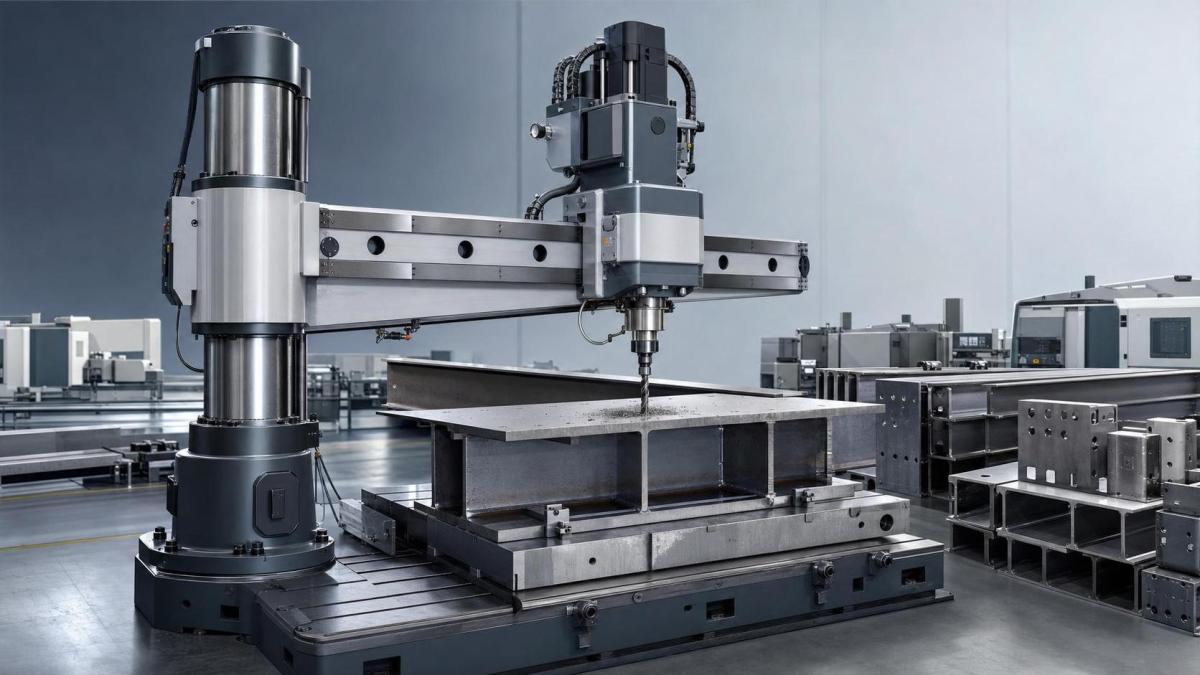
The radial drilling machine market is entering 2026 with a different pace than it had a few years ago.
Demand is no longer driven by simple replacement alone.
Workshops now expect better hole accuracy, shorter cycle times, and easier handling of mixed part sizes.
That shift is especially visible across metal fabrication, structural steel work, repair operations, and general machinery production.
In this environment, the radial drilling machine is being judged less as a basic standalone tool and more as part of an efficiency chain.
This changes how the market should be read.
A supplier with broad equipment knowledge, global shipping experience, and attention to ISO9001 and CE expectations is better positioned to read demand correctly.
That is why companies with experience across drilling, cutting, welding, beam processing, and CNC equipment are gaining an advantage in 2026.
The market signal is shifting from low entry cost to usable precision
One clear change in the radial drilling machine market is how end users define value.
Price still matters, but usable precision now carries more weight in buying discussions.
This is happening because downstream quality control is tighter.
A small positioning error can now affect assembly speed, weld fit-up, or secondary machining requirements.
As a result, buyers increasingly compare spindle stability, arm rigidity, feed smoothness, and long-run repeatability.
The radial drilling machine market is also seeing stronger interest in equipment that can hold performance under varied workloads.
That includes large fabricated parts, plates, flanges, and structural members that cannot be moved easily between stations.
In practical terms, the old question was whether a machine could drill.
The 2026 question is whether it can drill accurately for long hours without creating hidden production losses.
Why this change is becoming more obvious
- Mixed-batch production is more common than before.
- Fabricators are under pressure to reduce rework on assembled metal parts.
- Labor shortages make machine consistency more valuable.
- Customers expect drilling equipment to support broader workshop flexibility.
More flexible workshop layouts are influencing machine selection
Another important development is the growing preference for flexible workshop planning.
The radial drilling machine market benefits from this because the machine naturally fits jobs that are awkward to move.
Instead of forcing every workpiece through a fixed machining path, many shops are building process islands.
In those settings, a radial drilling machine becomes useful for oversized parts, repair work, beam connections, and custom fabrication runs.
This does not mean conventional models are enough.
What matters is how well the machine integrates into workflow.
Access, reach, setup speed, operator visibility, and maintenance simplicity all affect real output.
From recent demand patterns, machines that save handling time often win over machines that only look strong on paper.
Demand is becoming more connected to upstream and downstream equipment
The radial drilling machine market is no longer isolated from the rest of the fabrication line.
This is a key point for 2026.
Shops are increasingly comparing drilling equipment against the rhythm of cutting, welding, straightening, and finishing operations.
If one station becomes a bottleneck, the entire line loses value.
That is why buyers often favor partners able to supply more than a single machine category.
A company experienced in CNC cutting machines, lathes, milling machines, welding robots, laser systems, and H-beam production equipment can usually frame drilling demand in a more realistic way.
This broader perspective matters when customers want process compatibility, not just a low quotation.
In beam fabrication, for example, drilling accuracy and part flatness are connected concerns.
That is one reason related machines are being reviewed together.
A useful reference in this context is HYJ-800 H beam straightening machine.
Its rigid frame, stress-relieved structure, and stable feeding design reflect the same market preference for accuracy, durability, and smoother line flow.
Even when discussing the radial drilling machine market, this kind of adjacent equipment signals where purchasing logic is heading.
Regional demand is widening, but compliance and service expectations are rising too
Cross-border demand remains active in 2026, especially in Southeast Asia, Europe, the Americas, and Oceania.
But broader demand does not automatically mean easier sales.
The radial drilling machine market is being filtered through stricter checks on quality systems, electrical safety, documentation, and after-sales responsiveness.
This is where supplier credibility begins to shape market share.
Manufacturing discipline tied to ISO9001 and CE expectations now supports market access as much as technical specification does.
A machine can be competitive in torque or travel range, yet still lose ground if service planning is weak.
From Wuxi, with strong links to Shanghai logistics and years of machinery export experience, suppliers that understand these practical demands can respond faster to shifting regional preferences.
That matters because many buyers are not only selecting a radial drilling machine.
They are also assessing delivery reliability, spare parts continuity, and technical communication quality.
The market is rewarding a different kind of supplier capability
- Clear documentation speeds up acceptance and installation.
- Stable component quality reduces service friction later.
- Broader product coverage supports combined project discussions.
- Export familiarity improves delivery confidence across regions.
What deserves closer attention in the second half of 2026
The next phase of the radial drilling machine market will likely be defined by selection discipline rather than speculation.
The strongest opportunities are not simply in the cheapest segment or the most advanced segment.
They sit in the range where reliability, adaptability, and serviceability meet real workshop conditions.
More attention should be paid to application fit.
Heavy plate work, structural steel processing, maintenance repair, and mixed fabrication each create different expectations for arm reach, clamping ease, and operator control.
The radial drilling machine market will also continue to favor equipment that reduces hidden cost.
That includes lower setup waste, fewer alignment corrections, easier maintenance access, and better long-term consistency.
Where related beam and fabrication lines are involved, even complementary equipment such as the HYJ-800 H beam straightening machine offers clues about the wider direction of purchasing decisions.
Machines built with rigid structures, wear-resistant components, and stable power transmission are being favored across categories.
Useful checkpoints for market evaluation
- Track where demand is tied to fabrication line upgrades, not single-machine replacement.
- Compare machine positioning accuracy with actual part tolerance needs.
- Review whether service support matches export region expectations.
- Look at total workshop efficiency, not drilling speed alone.
- Watch for stronger interest in machines that support varied part sizes without frequent adjustment delays.
A practical reading of the radial drilling machine market in 2026
The radial drilling machine market in 2026 is becoming more selective, more application-driven, and more connected to total production logic.
Precision, throughput, flexibility, and compliance are now moving together.
That combination is changing what counts as a competitive machine and what counts as a credible supplier.
The best next step is to map current demand against actual workshop changes.
Review which applications are growing, which specifications are being questioned more often, and where adjacent equipment is influencing drilling decisions.
That kind of comparison gives a more reliable view of where the radial drilling machine market is heading than headline growth figures alone.
In a year shaped by tighter expectations, careful reading of these signals will matter more than broad market optimism.