
— —
Pipe Welding Manufacturer vs Supplier: What Changes in Cost
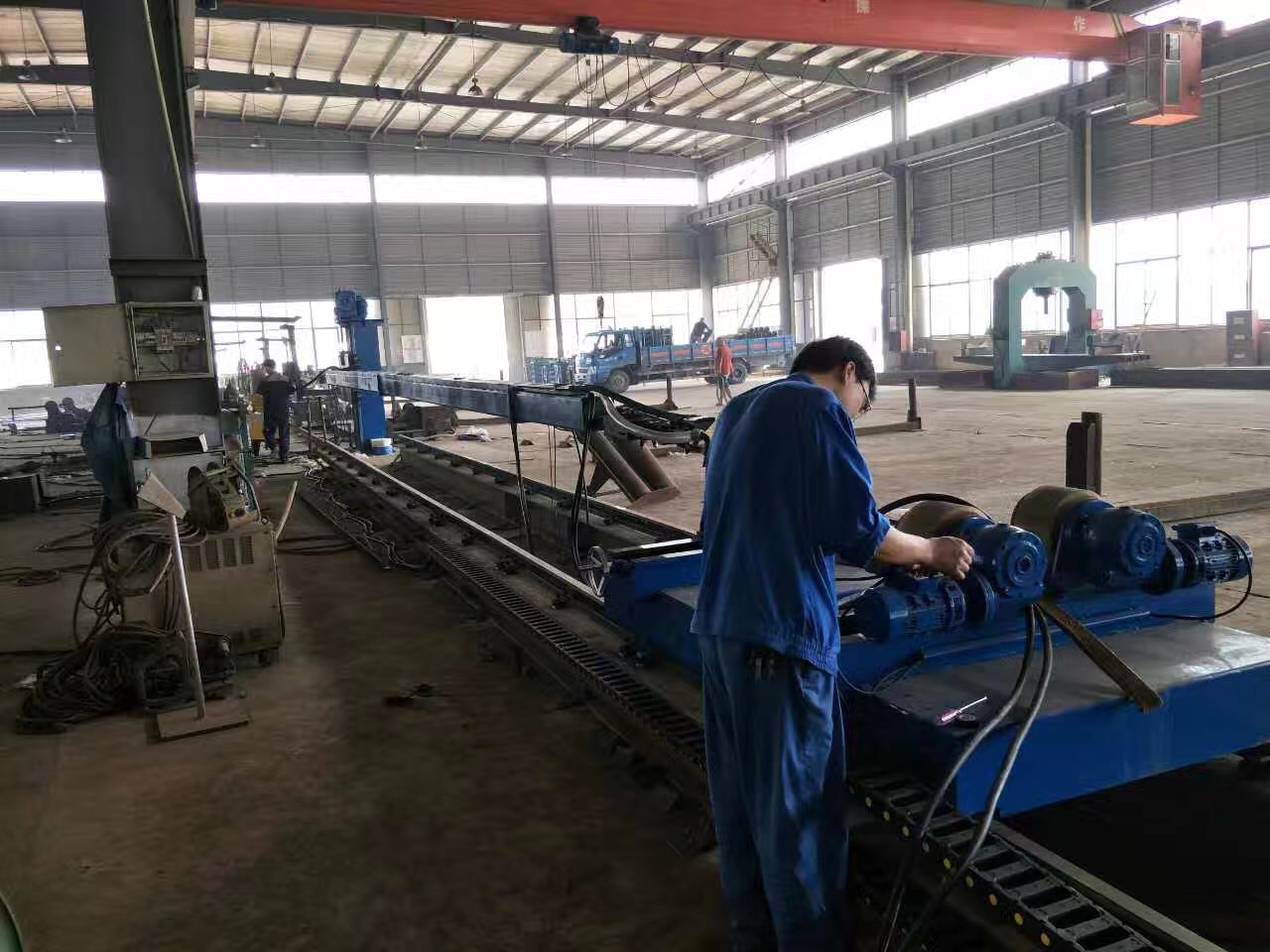
Pipe Welding Manufacturer vs Supplier: where does the real cost difference appear?
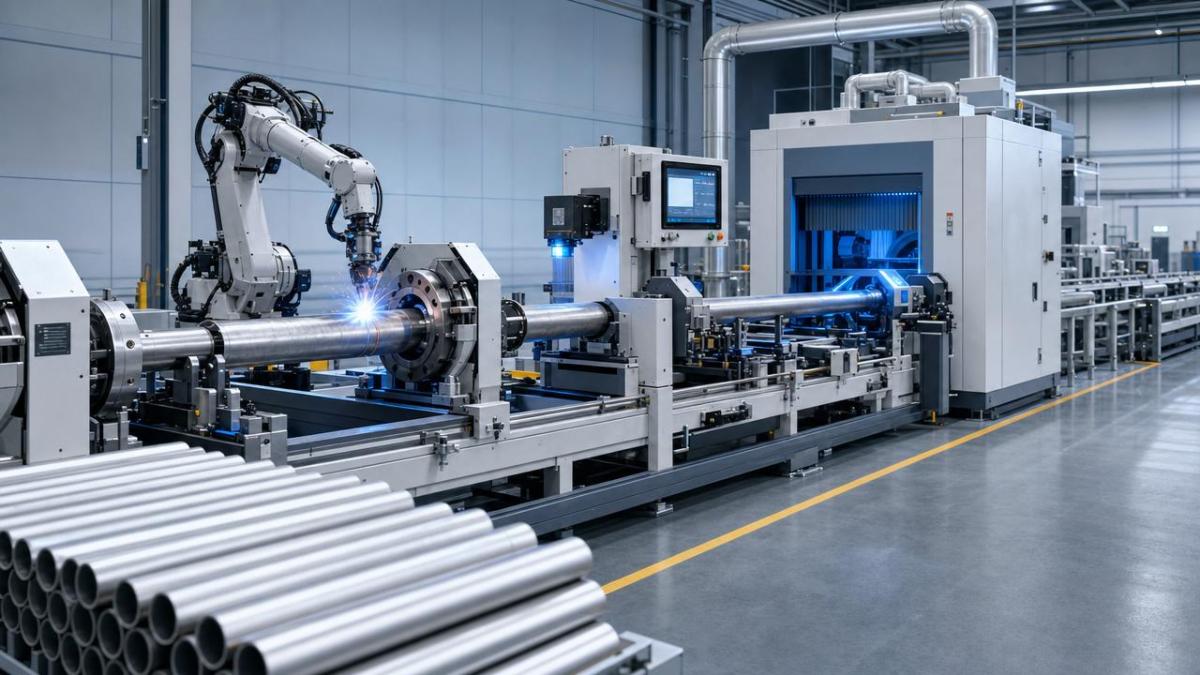
A quote alone rarely shows the full sourcing cost.
In pipe welding projects, the gap between a pipe welding manufacturer and a supplier often appears later.
It shows up in rework, delays, spare parts, compliance risk, and service response.
That is why many cost reviews now focus on total ownership cost, not unit price.
In practical terms, a pipe welding manufacturer controls production, engineering coordination, and quality checkpoints more directly.
A supplier may still offer value, especially when sourcing multiple machines or handling trade coordination.
The better choice depends on batch size, specification complexity, delivery urgency, and post-installation expectations.
Companies such as Wuxi Armada International Trade Co., Ltd work across welding, cutting, forming, and finishing equipment.
That broader equipment experience matters because pipe welding lines rarely operate as isolated purchases.
Is a pipe welding manufacturer always cheaper than a supplier?
Not always, and this is where many budget assumptions go wrong.
A supplier can sometimes present a lower initial offer.
This happens when stock models are available or when several brands are bundled together.
However, a lower starting price may exclude customization, testing, tooling changes, or onsite support.
A pipe welding manufacturer usually prices with stronger visibility into actual production inputs.
That may make the quote look higher at first glance.
But it often reduces hidden costs later, especially for nonstandard applications.
The most useful question is not who is cheaper today.
It is who can keep total cost predictable over the machine lifecycle.
This comparison is especially relevant for automated welding equipment and integrated production lines.
What hidden costs usually change when production control is direct?
Direct production control changes more than paperwork.
It affects material selection, fixture consistency, software tuning, inspection records, and corrective speed.
For a pipe welding manufacturer, these factors are linked inside one operating system.
For a trading supplier, the same factors may sit across several parties.
That difference matters when a machine must meet ISO9001 workflows or EU CE expectations.
In export-oriented projects, document completeness can influence acceptance speed and even customs handling.
Wuxi Armada International Trade Co., Ltd operates in a manufacturing ecosystem with welding, CNC, forming, and finishing equipment.
That kind of background is useful when one line affects another process.
For example, welded pipe components may still need deburring, edge treatment, or surface finishing before shipment.
In such cases, a related solution like Customized Magnetic polishing machine can reduce manual finishing time.
It is often used on irregular metal parts, inner holes, threads, and hard-to-reach areas.
That matters because finishing defects can quietly inflate the cost of a welding project.
- Rework hours increase when welding quality and downstream finishing are not aligned.
- Scrap rates rise when tolerance assumptions are unclear between seller and factory.
- Spare part delays become expensive when the fault owner is hard to identify.
- Operator training gaps create longer ramp-up periods after installation.
When does a supplier make more sense than buying from a pipe welding manufacturer?
There are situations where a supplier is the more efficient route.
This is common when the requirement is broad, not deeply customized, and spread across several machine categories.
If one project includes pipe welding, plate rolling, CNC cutting, and end-face milling, coordination may matter more than factory ownership.
A capable supplier can consolidate technical communication, export handling, and delivery scheduling.
This can lower administrative cost and shorten sourcing time.
The key is to verify whether the supplier has real engineering depth or only sales coverage.
A practical check is to ask how they manage factory audits, acceptance tests, and post-shipment problem solving.
If the answers are vague, the low quote may carry a high coordination premium later.
If the answers are detailed, the supplier model may be financially sound.
How can you judge total cost before signing the order?
The most reliable method is to compare cost drivers, not just offers.
A good review should test the commercial quote against technical reality.
That is especially important for any pipe welding manufacturer proposal involving automation or line integration.
A short decision checklist helps
- Check whether tooling, commissioning, and trial run materials are included.
- Confirm which quality documents are standard and which are charged separately.
- Review spare part lead times, not only spare part prices.
- Ask how software updates and remote troubleshooting are handled.
- Verify power, footprint, and throughput against actual plant conditions.
- Estimate downtime cost if acceptance is delayed by one week.
Some finishing equipment reviews use the same logic.
For instance, models such as R-G110, R-G1610, R-G210, and R-G3010 are chosen by capacity, footprint, and part geometry.
That same discipline should be applied when comparing pipe welding sourcing paths.
What mistakes make a lower quote become a higher final cost?
One frequent mistake is treating all pipe welding equipment as comparable.
Machines may look similar while using different control systems, welding consistency levels, and service structures.
Another mistake is underestimating the cost of process mismatch.
If a welding system does not match upstream cutting accuracy or downstream finishing needs, hidden cost builds quickly.
There is also a documentation mistake.
A quote can appear complete while omitting training scope, wear parts, or acceptance standards.
That weakens cost predictability more than many teams expect.
In real manufacturing environments, the best sourcing decision is usually the one with the fewest surprises.
A pipe welding manufacturer often performs better here when technical requirements are strict.
A supplier can still perform well when integration management is strong and accountability is clear.
So which model is more cost-effective for the next project?
The answer depends on where cost risk actually sits in the project.
If the requirement is specialized, quality-sensitive, or export-regulated, a pipe welding manufacturer often brings better control.
If the project combines several machine categories and needs one coordination window, a capable supplier may lower management burden.
Either way, the strongest decision usually comes from a simple comparison framework.
- Map every quoted item to a production or service risk.
- Compare lifecycle cost over one to three years.
- Check how quality responsibility is assigned in writing.
- Review compatibility with adjacent equipment and finishing steps.
That last point is often underestimated.
Welding quality, deburring, polishing, and dimensional stability all influence final delivered cost.
For that reason, reviewing connected processes, including options like a Customized Magnetic polishing machine, can make the sourcing decision more accurate.
A careful cost review should end with a shortlist, a technical clarification round, and a written acceptance scope.
That approach usually reveals whether the lower quote is truly lower, or only looks that way at the beginning.