
— —
Thread Roller vs Cut Threading: Which Process Fits High-Volume Fastener Production?
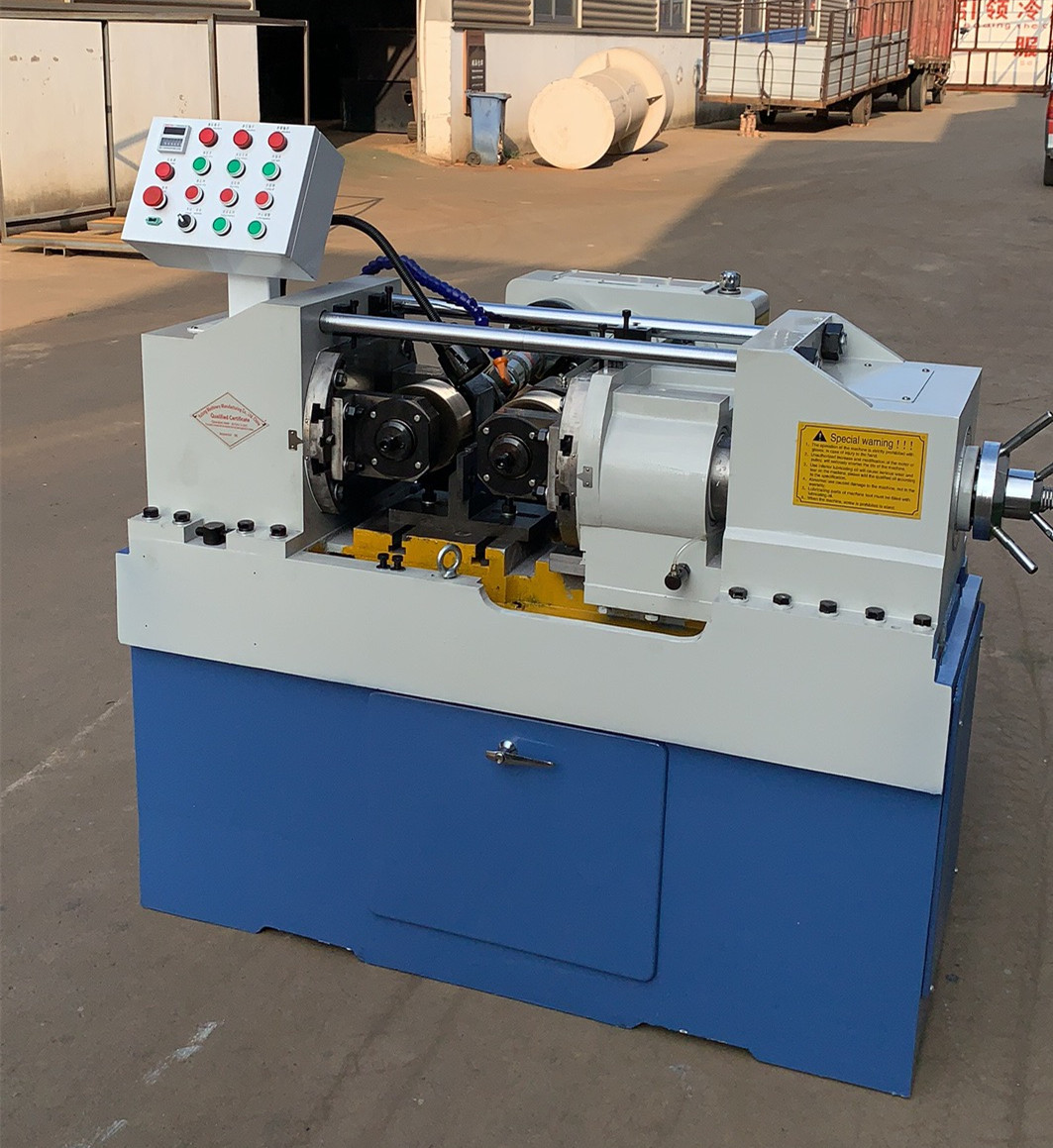
For high-volume fastener production, the choice between a Thread roller and cut threading shapes far more than thread geometry.
It affects cycle time, material flow, fatigue strength, scrap rate, tooling life, and the cost structure of every batch.
That is why this comparison matters in manufacturing and processing machinery, especially where stable output and repeatable quality decide market competitiveness.
In practical terms, a Thread roller often supports faster, stronger, and more consistent fastener production, while cut threading still holds value in specific materials, dimensions, and low-volume requirements.
Why the process choice matters on a production line
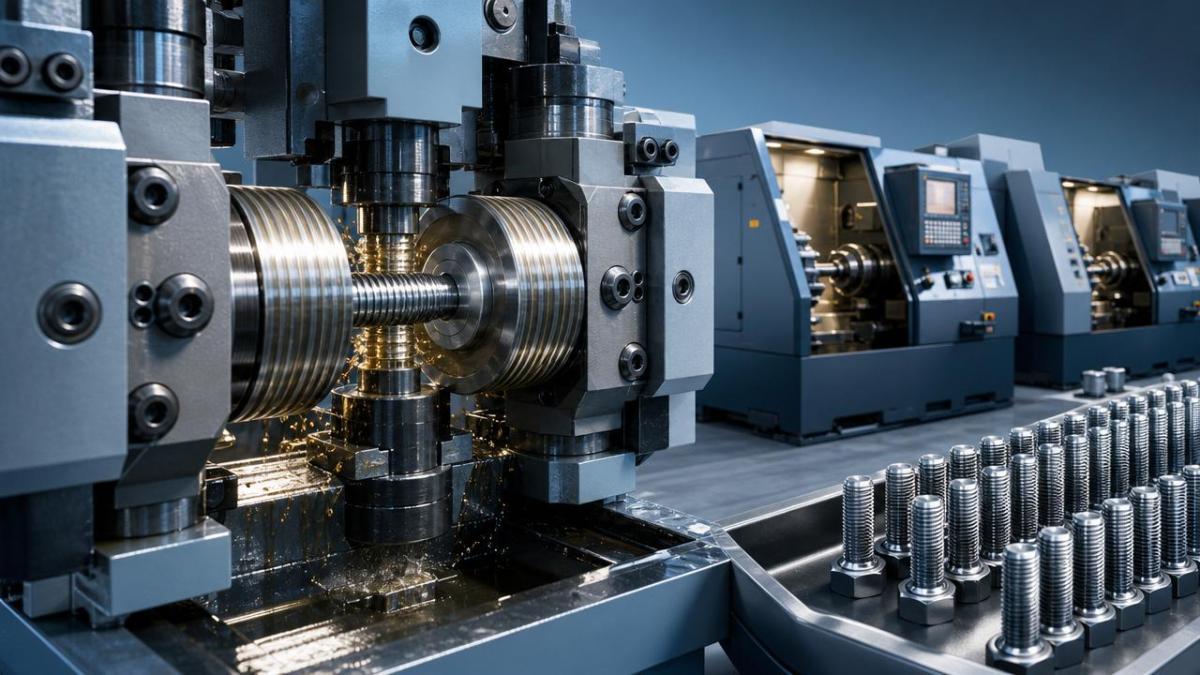
Fasteners are small components, but their threading method can influence the economics of an entire plant.
When annual volumes rise, even a minor difference in seconds per part becomes a major difference in throughput.
The same applies to rejects, tool changes, and downstream performance in assembly or field use.
A Thread roller forms threads by displacing material under pressure.
Cut threading removes material with a tool edge.
Simple as that sounds, the production consequences are very different.
Companies supplying global markets increasingly compare these processes through a broader equipment strategy.
That includes not only thread generation, but also edge preparation, plate processing, welding, and automated material handling.
Wuxi Armada International Trade Co., Ltd has built its business around that wider manufacturing view.
Established in 2012 in Wuxi, near Shanghai, the company supplies thread rolling machines, CNC equipment, milling machines, welding systems, and related production solutions to multiple overseas markets.
Its ISO9001-aligned production management and EU CE-oriented standards reflect what many buyers now expect from equipment partners.
What Thread roller and cut threading actually do
The core difference lies in whether the thread is formed or machined away.
Thread rolling
A Thread roller presses dies against a rotating blank.
Material flows into the thread profile instead of being removed as chips.
This cold-forming effect improves grain continuity and usually raises surface finish and fatigue resistance.
Cut threading
Cut threading uses taps, dies, single-point tools, or similar cutters.
It creates the profile by removing metal.
The method is familiar, flexible, and often easier for uncommon thread forms or harder-to-form setups.
In short, the Thread roller is usually a forming solution for scale, while cut threading is often a machining solution for flexibility.
Where high-volume production usually favors thread rolling
For standard bolts, studs, screws, and similar fasteners, thread rolling often wins on total production value.
Usually, a Thread roller becomes more attractive as volume rises and thread specifications stabilize.
The lower chip handling burden also helps reduce mess, maintenance, and material waste.
More importantly, formed threads often perform better in demanding service conditions.
That matters in automotive, construction, general machinery, and export-oriented fastener supply chains.
When cut threading still makes sense
Cut threading is not outdated.
It remains useful where production is mixed, thread forms are unusual, or blank geometry limits rolling.
- Prototype or low-volume orders with frequent changeovers
- Large diameters or special thread profiles
- Parts with features that complicate die access
- Situations where existing cutting equipment is already amortized
- Materials or heat conditions less suitable for cold forming
For some operations, the real question is not which method is universally better.
It is which method creates the best balance between production stability and order variability.
Looking beyond one machine in the workflow
Thread quality is connected to the rest of the fabrication route.
In many metalworking environments, upstream precision affects downstream efficiency more than expected.
That is why equipment buyers often evaluate related forming and preparation systems together.
For example, plate edge preparation influences weld quality, fit-up accuracy, and production rhythm in pressure vessel, boiler, shipbuilding, electric, and chemical applications.
A practical reference is Non-standard Edge Milling Machine Without Pressure Beam.
The XBJ series is designed for carbon steel, stainless steel, and aluminum plates.
It can process straight flanges, bevel edges, and U-type grooves before welding.
Its automatic clamping, edge detection, feed, and return movement support the same production goals valued in a Thread roller line.
With milling angles from 0° to 90°, optional customization, and plate thickness handling from 8 mm to 100 mm, it shows how automation and adaptability can work together.
Features such as VFD-controlled feed, stable guide rail structure, and lower energy demand are relevant because modern workshops rarely optimize threading in isolation.
What to compare before making a capital decision
A strong purchase decision should connect equipment capability with order structure, material mix, and quality expectations.
Key points to review
- Annual part volume and forecast stability
- Thread standards, tolerance demands, and fatigue requirements
- Blank material, hardness, and pre-processing consistency
- Tooling cost, changeover frequency, and maintenance intervals
- Operator skill dependence and automation potential
- Energy use, scrap handling, and floor-level workflow impact
If production focuses on standard fasteners in repeating volumes, a Thread roller often delivers the clearer long-term advantage.
If product variety changes weekly, cut threading may remain the safer operational choice.
In actual sourcing, the best results usually come from comparing machine data with real order history, not only theoretical output.
A practical way to move forward
The Thread roller versus cut threading decision is really a production strategy decision.
It should be judged by throughput, mechanical performance, process stability, and the cost of maintaining quality over time.
For many high-volume fastener programs, thread rolling is the stronger fit.
For specialized or variable work, cutting still has a clear place.
A useful next step is to map current part families, measure real cycle and reject data, and compare them against the output profile of a suitable Thread roller solution.
That approach creates a decision based on production reality, not assumption, and it aligns better with scalable equipment planning across the whole workshop.