
— —
What Shapes Hydraulic Guillotine Shearing Machine Prices?
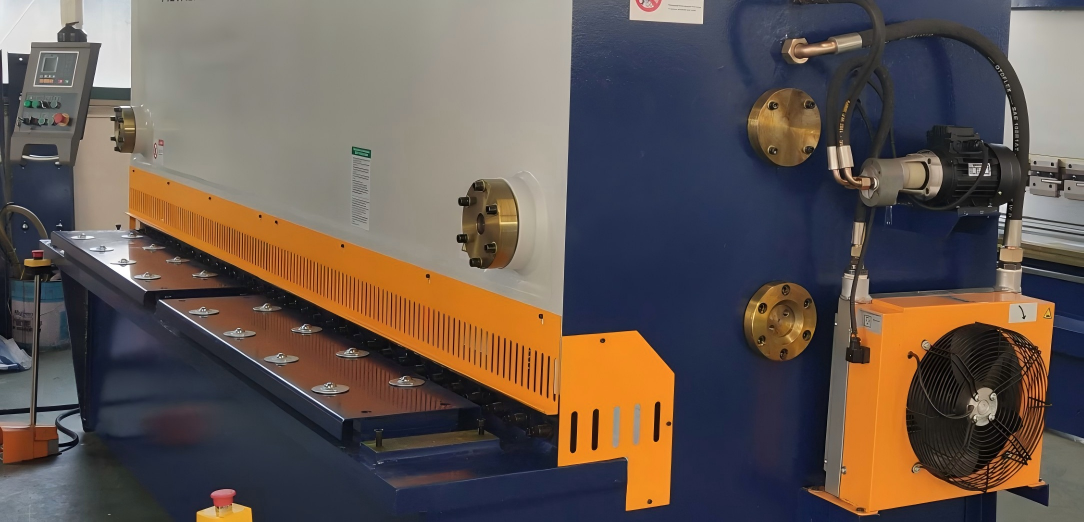
For buyers evaluating the hydraulic guillotine shearing machine price 2026, the real question is not just cost, but what drives value, precision, and long-term efficiency. How much can CNC shearing machine improve sheet metal yield rate? From machine configuration and cutting capacity to control systems and build quality, understanding these factors helps manufacturers make smarter investment decisions in competitive metal fabrication markets.
In metal fabrication, a shearing machine is often one of the first process bottlenecks and one of the clearest sources of hidden waste. A lower purchase price may look attractive at quotation stage, but inconsistent cutting accuracy, blade wear, weak backgauge repeatability, and limited controller functions can increase scrap, labor time, and maintenance cost within 6 to 18 months.
For distributors, workshops, OEM manufacturers, and project buyers, comparing the hydraulic guillotine shearing machine price 2026 means evaluating much more than a base machine. Plate thickness, cutting length, hydraulic system stability, CNC options, safety standards, delivery lead time, and after-sales support all affect total ownership cost. This is especially important for companies serving construction steel, cabinet production, electrical enclosures, agricultural equipment, and general sheet metal processing.
Wuxi Armada International Trade Co., Ltd, based in Wuxi, Jiangsu Province, supplies a broad range of fabrication and machining equipment, including shearing machines, bending machines, leveling machines, deburring machines, CNC cutting systems, and other production-line solutions. With products organized according to ISO9001 quality system requirements and EU CE standards, the company supports buyers who need practical machine selection guidance, export-ready documentation, and stable equipment performance for international markets.
Key Factors That Shape Hydraulic Guillotine Shearing Machine Prices
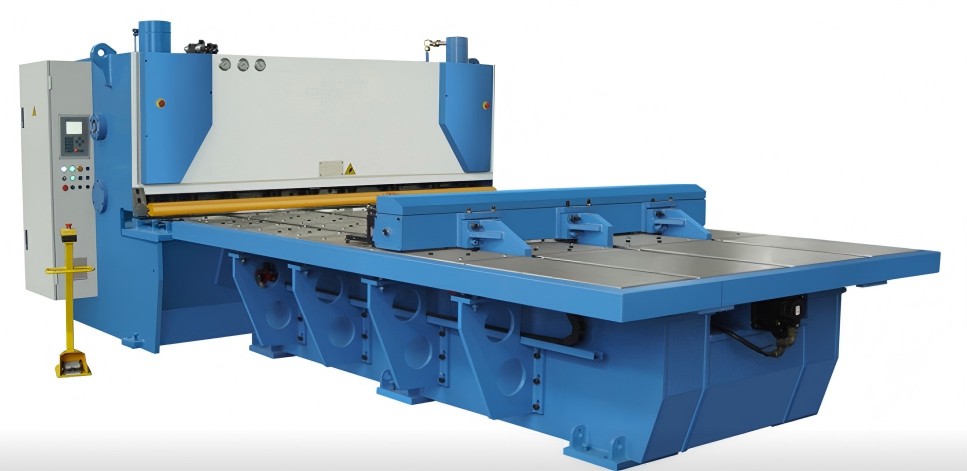
The hydraulic guillotine shearing machine price 2026 is usually built around 5 core variables: cutting capacity, machine frame structure, hydraulic and electrical configuration, control level, and compliance requirements. Two machines may look similar in photos, yet show a 15% to 40% difference in quotation because their internal components, machining quality, and output stability are not the same.
1. Cutting Thickness and Working Length
The most direct price driver is capacity. A machine designed for 4 mm carbon steel over 2500 mm is fundamentally different from one built for 12 mm over 4000 mm. As thickness and length increase, the frame, cylinders, hold-down system, blade strength, and motor power must all be upgraded, which raises both manufacturing cost and shipping weight.
Buyers should also check whether rated thickness refers to mild steel, stainless steel, or tensile-strength-adjusted material. A machine labeled for 6 mm mild steel may only handle around 3 mm to 4 mm stainless steel efficiently. This detail affects both price evaluation and production planning.
2. CNC Controller, Backgauge, and Automation Level
A basic hydraulic guillotine shear with manual blade gap adjustment and simple backgauge is usually priced lower than a CNC-configured machine. However, the gap widens when buyers request motorized backgauge travel, programmable cutting angle, touch-screen controller, cut counting, job memory, and servo-assisted positioning.
For workshops processing repeated part sizes in batches of 200 to 2,000 pieces, CNC functions can significantly reduce operator intervention. In many real production settings, backgauge repeatability within ±0.1 mm to ±0.3 mm improves consistency and lowers rework frequency compared with manually adjusted systems.
How much can CNC shearing machine improve sheet metal yield rate?
The answer depends on material value, nesting discipline, operator skill, and order mix, but a CNC shearing machine can often improve sheet metal yield rate by around 3% to 8% in repeatable production. In operations with frequent size changes, poor manual positioning, or high scrap from dimension error, the improvement can be higher.
The gain does not come from cutting alone. It comes from more accurate backgauge positioning, fewer trial cuts, better sequencing, faster changeover, and lower risk of wrong dimensions. When processing stainless steel, coated sheet, or higher-value alloy material, even a 2% to 4% yield increase may justify a stronger CNC configuration.
3. Frame Build Quality and Component Selection
Price also reflects manufacturing discipline. A machine built with properly stress-relieved welded structure, precision-machined guiding surfaces, and stable hydraulic components is more likely to keep cutting accuracy over long production cycles. Lower-cost units may save money on valves, seals, electrical components, or finishing, but those savings can reappear later as downtime or unstable cut quality.
Professional buyers often inspect 4 practical points: frame rigidity, blade alignment, hydraulic leakage prevention, and electrical cabinet layout. These details matter more over 3 to 5 years than a small initial quotation difference.
The table below shows how typical configuration choices influence the hydraulic guillotine shearing machine price 2026 and the buyer value behind each upgrade.
The main takeaway is simple: machine price follows production capability, not just machine appearance. Buyers comparing quotations should ask what is included in the standard package, what is optional, and which specifications directly affect daily cutting quality.
How Buyers Should Compare Cost, Yield, and Long-Term Return
A smart comparison of the hydraulic guillotine shearing machine price 2026 requires looking at the full operating picture. The right question is not “Which machine is cheapest?” but “Which machine gives the best return over 24 to 60 months?” In sheet metal production, small differences in precision and speed multiply quickly across thousands of parts.
Production Scenarios That Change Value
A job shop cutting 1 mm to 3 mm sheet for cabinets and enclosures may prioritize speed, operator convenience, and dimensional consistency. A heavy fabrication company processing 8 mm to 12 mm plate may focus more on frame durability, motor power, and stable hydraulic pressure. The best-priced machine for one factory may be the wrong choice for another.
- High-mix, low-volume work benefits from faster programming and reduced setup steps.
- Repeat batch production benefits from CNC memory and more stable backgauge positioning.
- Thicker material processing benefits from stronger frame construction and accurate blade clearance control.
Where Yield Rate Improvement Really Comes From
When buyers ask, “How much can CNC shearing machine improve sheet metal yield rate?”, they are usually trying to estimate hidden savings. Yield improvement is influenced by 4 operational levers: positioning accuracy, operator consistency, cut planning, and reduction of damaged edges. Each lever affects scrap cost, especially in galvanized, stainless, or pre-coated materials.
In a plant cutting 300 sheets per week, reducing only 1 unusable sheet every 2 days can already create measurable annual savings. If the machine also shortens setup time by 20% to 30%, the total return becomes more attractive than a simple purchase-price comparison suggests.
Typical cost areas buyers often underestimate
- Blade regrinding and replacement intervals
- Hydraulic oil, seals, and preventive service every 6 to 12 months
- Operator training and trial-cut losses during changeover
- Downtime caused by unstable electrical or hydraulic parts
The following comparison helps purchasing teams evaluate whether a basic shear or a CNC-configured model is more suitable for their workload and yield targets.
For low-frequency use, a basic hydraulic guillotine shear may be enough. For operations with daily batch cutting, strict dimension control, or higher-value material, CNC investment often produces better cost recovery over time.
How to Choose the Right Machine Specification for Your Factory
To choose correctly, buyers should define production requirements before asking for a final quotation. The first 3 numbers to confirm are maximum sheet thickness, maximum cutting length, and expected daily or weekly throughput. Without these, any hydraulic guillotine shearing machine price 2026 comparison will be incomplete.
A Practical 6-Point Selection Checklist
- Material type: carbon steel, stainless steel, aluminum, or coated sheet
- Thickness range: for example 1 mm to 6 mm, not only maximum thickness
- Useful cutting length: 2500 mm, 3200 mm, 4000 mm, or other requirement
- Tolerance expectation: general fabrication or tighter repeat positioning
- Production mode: custom orders, repeated batches, or line-integrated operation
- Compliance and export needs: CE-oriented safety, voltage, manuals, and spare parts package
Common Buying Mistakes
One common mistake is buying too much capacity “just in case.” Oversized machines cost more, consume more power, and can be less efficient for thin-sheet work. Another mistake is buying too little control capability. Saving a small amount upfront may lead to years of manual adjustment, slower output, and higher scrap exposure.
It is also important to ask whether the quotation includes standard accessories such as front support arms, squaring arm, lighting, hold-down cylinders, blade set, foot switch, operation manual, and electrical compatibility. Missing details can distort price comparison between suppliers.
Questions worth asking before order confirmation
- What is the rated capacity under mild steel and under stainless steel?
- What backgauge range is included, and what repeat accuracy is typical?
- Is blade gap manual, motorized, or controller-managed?
- What is the normal production lead time: 20 days, 30 days, or longer?
- Which spare parts are recommended for the first 12 months of operation?
For international buyers, sourcing from an experienced equipment supplier with broad metalworking product knowledge can simplify machine matching. Since Wuxi Armada International Trade Co., Ltd also handles bending, cutting, deburring, rolling, milling, and line equipment, buyers can discuss not only a single machine, but also how the shearing process fits into the complete fabrication workflow.
Service, Delivery, and Support Factors Behind a Reliable Purchase
Machine value is also shaped by what happens before shipment and after installation. For many factories, the real difference between suppliers appears in communication speed, technical clarity, export packing, documentation completeness, and troubleshooting support during the first 3 to 12 months of use.
What Professional Buyers Should Expect
A reliable supplier should provide parameter confirmation, voltage verification, production progress updates, factory testing records, and packing arrangements suitable for sea or inland transport. Delivery timing commonly ranges from 20 to 45 working days depending on configuration complexity, stock status, and documentation requirements.
Technical support matters as much as hardware. Clear operating manuals, wiring diagrams, wear-part guidance, and remote communication for startup questions can reduce commissioning delays. For export buyers, response speed within 24 to 48 hours is often more valuable than promotional promises made before the order.
Risk Control During Procurement
To control purchasing risk, buyers should align specifications in writing and verify at least 4 items before shipment: machine model and capacity, controller version, safety configuration, and accessory list. If possible, request cutting tests on representative material thicknesses to confirm expected performance.
This is particularly important when comparing multiple quotations with visible price gaps. The cheapest offer may exclude controller upgrades, stronger electrical components, CE-oriented safety details, or export-standard packing. A disciplined comparison avoids later disputes and protects production schedules.
For any buyer reviewing the hydraulic guillotine shearing machine price 2026, the best decision comes from matching machine specification to real production targets, not from chasing the lowest figure on a quotation sheet. Capacity, control level, build quality, yield improvement, and service support all determine whether the investment will perform well over the next 3 to 5 years.
If you are comparing shearing machines for sheet metal fabrication, cabinet manufacturing, structural work, or general industrial processing, Wuxi Armada International Trade Co., Ltd can help you assess suitable configurations, clarify technical options, and align the machine with your workflow and export requirements. Contact us now to get a tailored solution, discuss product details, or learn more about complete metal processing equipment options.